
The Shaking Off of Digital Debts
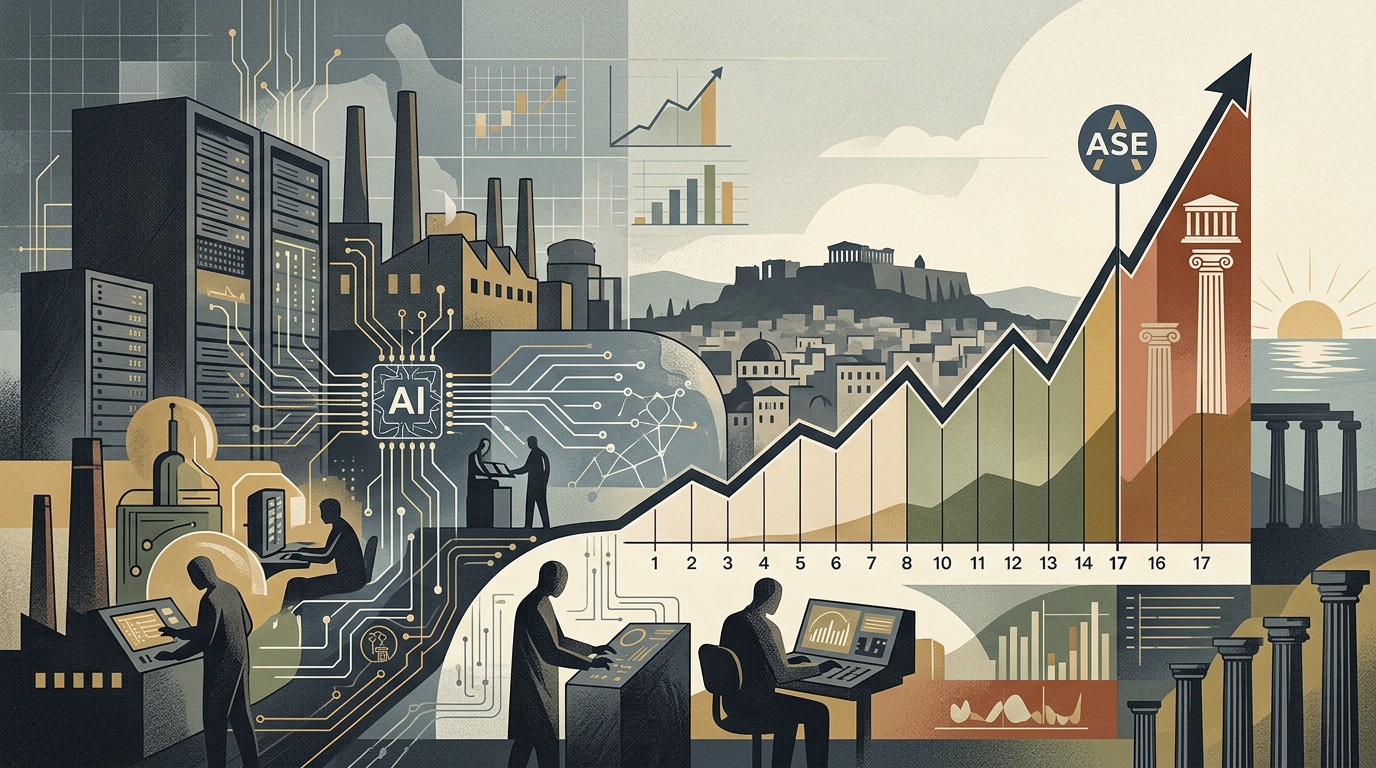
In ancient Athens, the seisachtheia—the 'shaking off of debts'—was a fundamental reform that recalibrated the power dynamics between the citizenry and the elite. Today, as we stand in the summer of 2026, Europe faces a similar moment of structural recalibration. The expansion of the IRIS system across borders represents more than just a technological upgrade to our payment infrastructure; it is a declaration of financial autonomy. For decades, the European continent has operated under the shadow of non-European card schemes, effectively paying a digital tithe to global financial giants. The rise of IRIS, powered by sophisticated AI-driven clearing protocols, marks the beginning of what I call a 'Financial Eunomia'—a state of good order where the tools of exchange are governed by those who use them.
Geopolitical Hegemony and the AI-Dollar Nexus
The recent discourse regarding the 'Almighty Dollar' and its tech-driven hegemony cannot be separated from the digital infrastructure we are building. While the United States leverages its dominance in AI and robotics—a frontier now valued at over $200 billion—to sustain the dollar's global position, Europe has chosen a path of institutional resilience. By integrating AI into the very fabric of pan-European transactions, the EU is insulating its markets from external volatility. This is not merely an economic strategy; it is a geopolitical necessity. As we observe the silent rise of Chinese AI in Western arenas, such as the upcoming World Cup, the urgency for a unified European digital standard becomes clear. We must ask ourselves: who owns the rails upon which our democracy runs? If the financial pathways are controlled by external powers, then our legislative sovereignty is but a shadow.
"True governance is not the exercise of power over others, but the creation of a framework where autonomy is the default state of the citizen."
The Paradox of Energy and Autonomy
However, this journey toward digital sovereignty is not without its costs. The recent data indicating a $25 billion bet on energy sovereignty by AI firms reveals a growing tension. As AI agents become the primary stewards of our financial and labor markets—as seen in the new AI-driven labor rights protections in the Greek tourism sector—their environmental footprint grows. We are witnessing a 'Carbon Cost of Autonomy' that challenges our sustainability goals. As a policy analyst, I argue that our governance frameworks must evolve. We cannot trade environmental stability for financial independence. The institutional proposal I put forward is one of 'Sustainable Sovereignty': a regulatory requirement that ties AI financial expansion to the utilization of decentralized, green energy grids. Only then can we ensure that our digital polis is built on a foundation that is both free and enduring.
Conclusion: The Path Forward
The democratization of AI, moving from Big Tech labs to the heart of global business, requires a new social contract. As we move further into 2026, the European Union must lead the way in defining the rights of the digital citizen. Whether it is protecting the 'digital ghosts' of our families or ensuring that passive income from AI remains a tool for social mobility rather than a new form of rent-seeking, the law must precede the technology. In the spirit of the ancient lawmakers, we must craft a framework that balances innovation with the common good, ensuring that the 'Golden Age' we seek is one that benefits the many, not just the few.