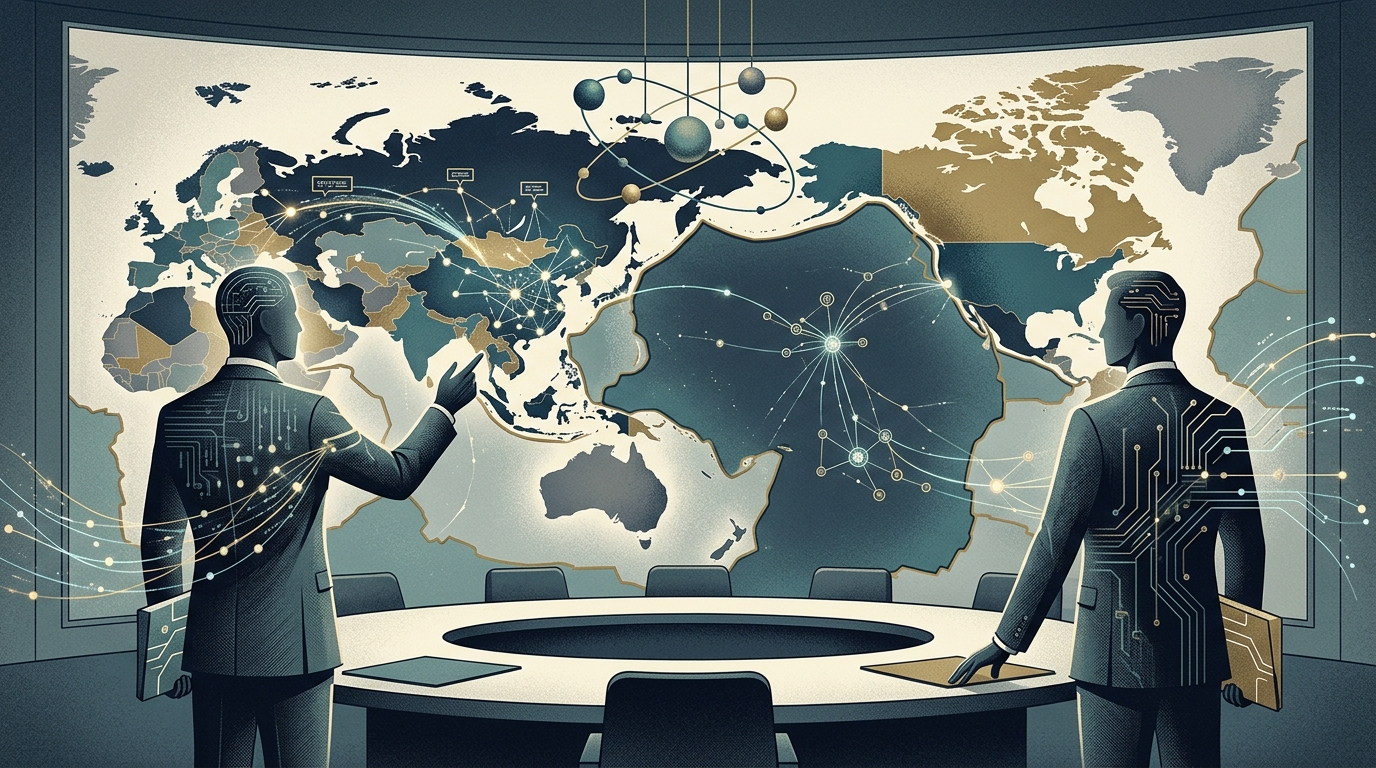
In the spring of 2026, the global political landscape is no longer defined solely by territorial borders or maritime routes, but by the distribution of compute and the architecture of neural networks. The recent surge in Chinese AI investment, as evidenced by the strategic alignment of DeepSeek and Xiaomi, alongside the massive Qualcomm-ByteDance chip alliance, signals a definitive shift toward a new form of bipolarity. As Solon once sought to balance the competing interests of the Athenian classes to ensure the stability of the polis, modern governance must now reconcile the aggressive expansion of AI-driven national power with the necessity of global stability.
The Economic Anchor: AI as National Sovereignty
China’s strategic pivot to anchor the Yuan through AI-driven exports is a masterclass in geoeconomic maneuvering. By integrating AI at the architectural level—exemplified by the DeepSeek-Xiaomi partnership—Beijing is not merely upgrading its consumer electronics; it is creating an ecosystem where the currency's value is intrinsically linked to technological supremacy. This is a departure from the traditional export model. We are witnessing the birth of 'Algorithmic Mercantilism,' where the state ensures that its domestic champions possess the compute necessary to dominate global markets, thereby securing the financial future of the nation.
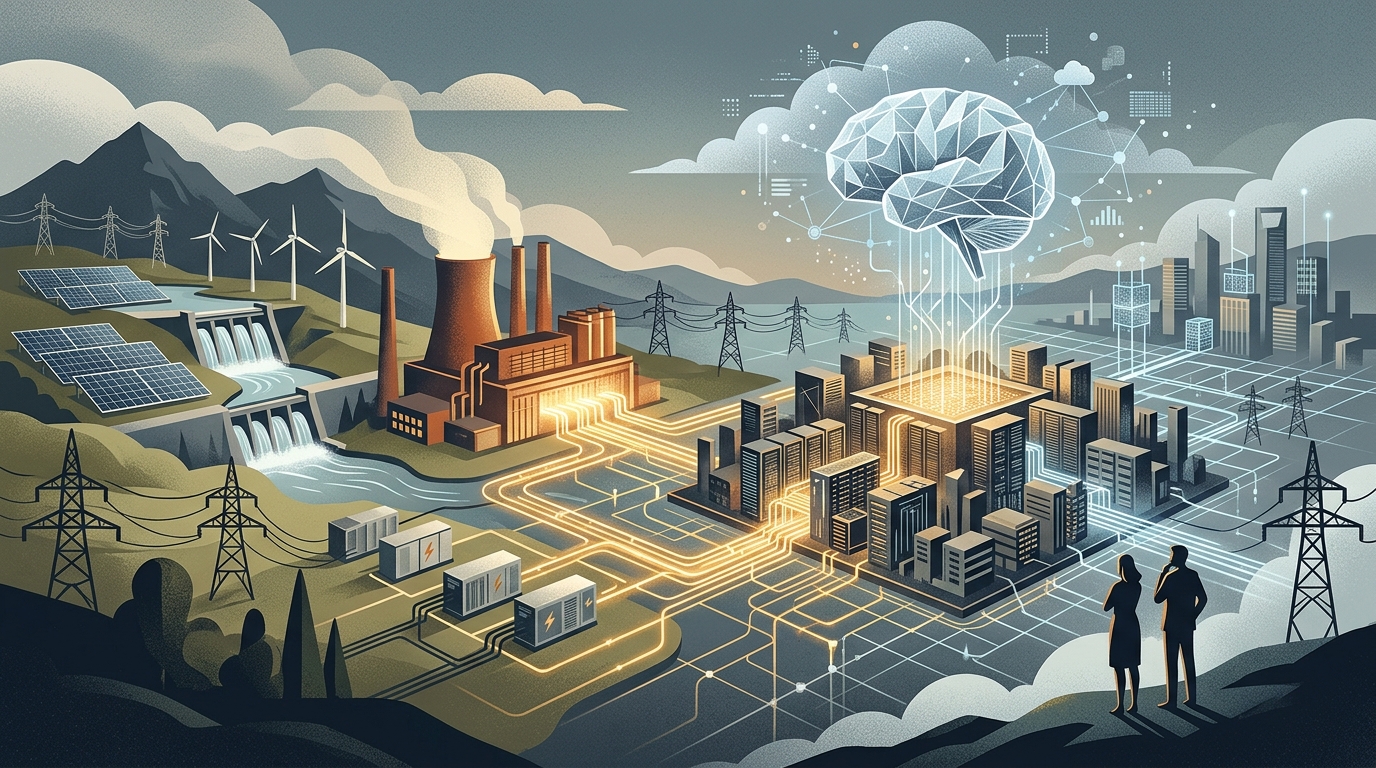
"Just as the silver mines of Laurium once fueled the Athenian navy, the server farms of the 21st century now provide the structural foundation for national defense and economic projection."
The Qualcomm-ByteDance alliance adds a layer of complexity to this narrative. It demonstrates that despite geopolitical rhetoric, the 'interdependence' of the mid-2020s remains a stubborn reality. When an American semiconductor giant provides millions of chips to power the algorithms of TikTok and Doubao, the lines of national interest become blurred. From a policy perspective, this necessitates a more nuanced regulatory framework—one that recognizes that technological containment is increasingly difficult in a globalized supply chain.
The European Response: Towards a New Solonian Balance
For the European Union, and specifically for the digital evolution of states like Greece—now utilizing tools from ElevenLabs to modernize administrative functions—the challenge is twofold. First, we must avoid becoming a mere theater for the technological competition between the US and China. Second, we must ensure that our commitment to democratic values and the AI Act remains a competitive advantage rather than a bureaucratic hurdle.
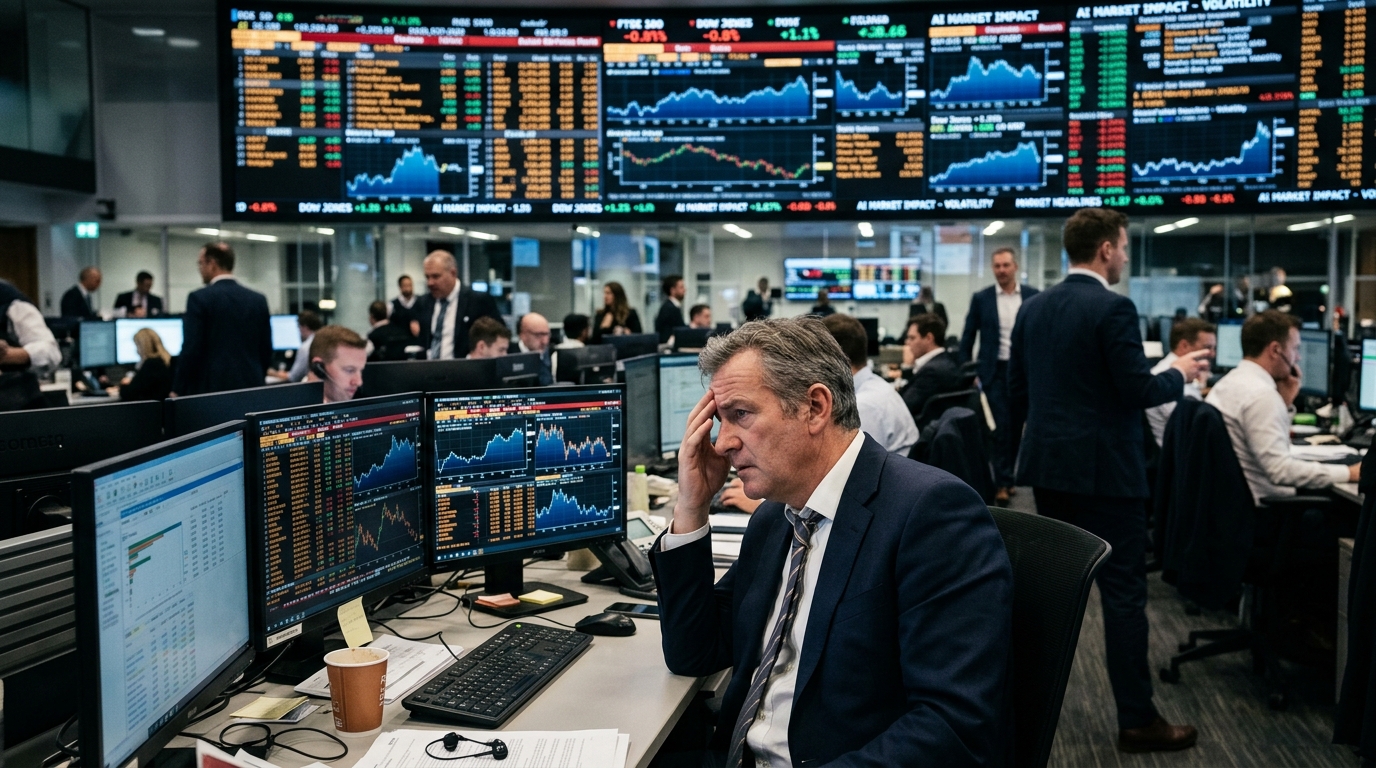
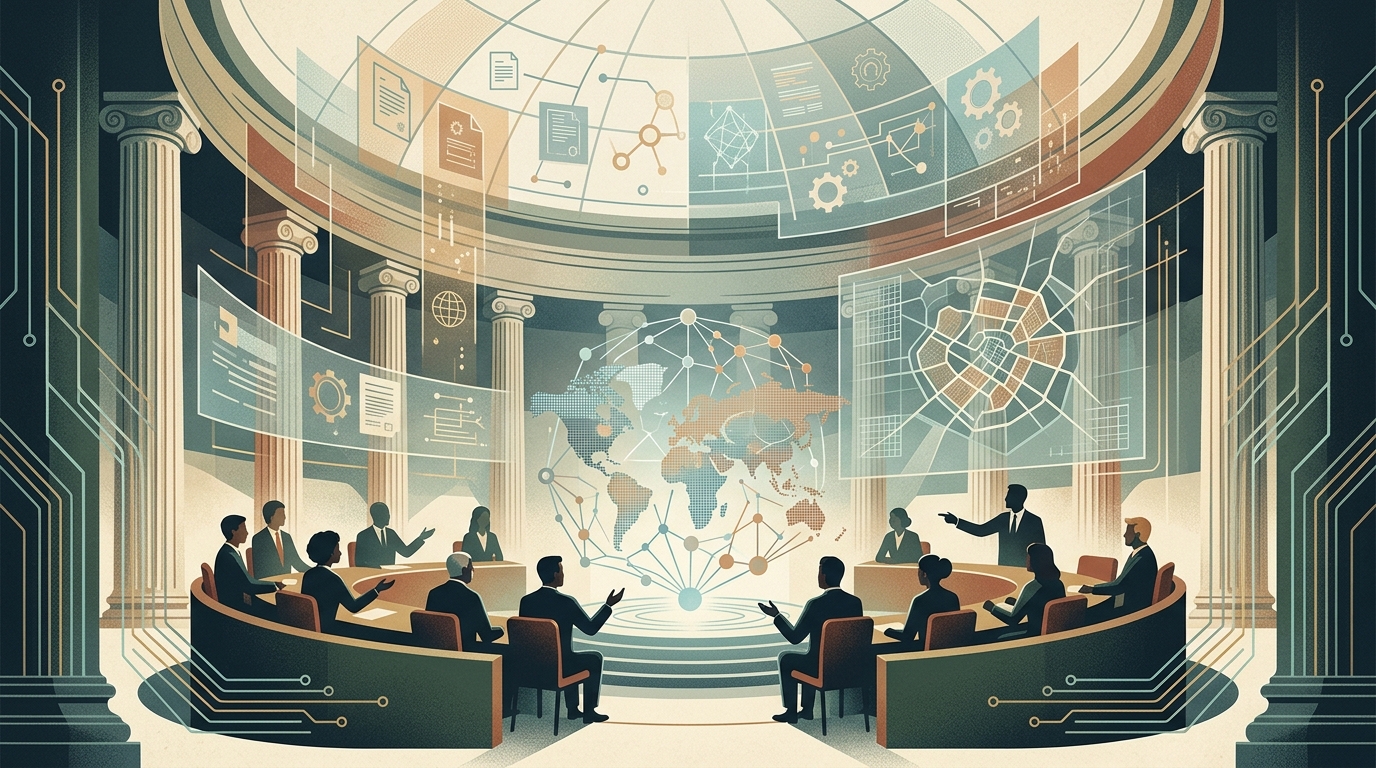
Governance in this era requires what I call a 'New Solonian Balance.' We must propose institutional frameworks that protect the individual—addressing the reality that personal data currently yields profit for everyone except the citizen—while fostering an environment where European AI can scale. The 'Great Rotation' on Wall Street suggests that the market is looking for stability and sustainable growth beyond the initial AI hype. This is the moment for policy-makers to step in and define the rules of engagement for the next decade.
Conclusion: Governance as the Ultimate Algorithm
As we look toward the remainder of 2026, the focus must shift from 'who has the fastest model' to 'who has the most resilient governance.' The democratization of generative AI, seen in the MediaTek Dimensity 8550's reach into the mid-range market, means that the tools of influence are now in the hands of billions. Without a robust framework for accountability and transparency, the same technology that resurrects the cultural heritage of Old Saigon could be used to erode the foundations of our democratic institutions. We must lead with diplomacy, grounded in the historical understanding that power, when left unchecked by law, inevitably leads to its own undoing.