
In the history of governance, the introduction of new tools has always necessitated a recalibration of the social contract. Just as the ancient Athenian reforms sought to balance the scales between different social strata, the current implementation of the EU AI Act represents a modern-day 'Seisachtheia'—a shedding of the burdens of opaque, unaccountable algorithmic management. As we navigate the mid-point of 2026, the 'Great Reset' in Greek labor relations is no longer a theoretical debate; it is a regulatory reality that demands our utmost analytical attention.
The Architecture of Algorithmic Transparency
The recent push for mandatory AI labeling and the integration of the EU AI Act into Greek domestic law marks a significant shift in how institutional power is exercised. For years, the workplace has been subject to 'invisible' managers—algorithms that determine shifts, evaluate performance, and, in some cases, terminate employment without human intervention. This lack of transparency is antithetical to the democratic values of accountability and due process.
The mandatory labeling of AI-generated content and the requirement for high-risk AI systems to provide clear documentation are not merely technical hurdles. They are democratic safeguards. In the Greek context, where the labor market has historically struggled with structural inefficiencies, the introduction of these standards provides a framework for what I call 'Digital Constitutionalism.' By requiring that the 'Algorithm’s Signature' be visible, we return agency to the citizen and the worker, ensuring that technology serves the *polis* rather than the other way around.
Greece as a Laboratory for Ethical Innovation
The emergence of the National and Kapodistrian University of Athens (NKUA) as a beacon of digital innovation is a testament to the potential for a synergy between academia and governance. However, innovation without an ethical compass is a ship without a rudder. The fact that Silicon Valley is now hiring philosophers to 'train' AI highlights a truth we have long understood in the Mediterranean: technical prowess must be rooted in humanistic values.
"The measure of a state is not its capacity for technological dominance, but its ability to protect the dignity of its citizens within that technological framework."
In Greece, the application of the EU AI Act is reshaping labor relations by mandating human oversight. This is particularly crucial as the Greek economy transitions toward a more digital-centric model. The challenge for Greek policymakers is to ensure that the 'Great Reset' does not lead to a 'Great Displacement.' The German model, which views AI as a €300 billion fix for worker shortages, offers one perspective, but Greece must find its own 'middle path'—one that utilizes AI to enhance productivity while strengthening the protections of the labor code.
Proposing a Framework for Governance
As we look toward the future, I propose a three-pillar framework for the governance of AI in the Greek public and private sectors. First, Institutional Auditing: independent bodies must have the power to audit high-risk algorithms used in hiring and labor management. Second, Educational Re-skilling: the digital transition must be accompanied by a state-led initiative to ensure that workers understand their rights in an AI-driven environment. Third, Democratic Oversight: the creation of a permanent parliamentary committee on Algorithmic Ethics to monitor the societal impact of these technologies.
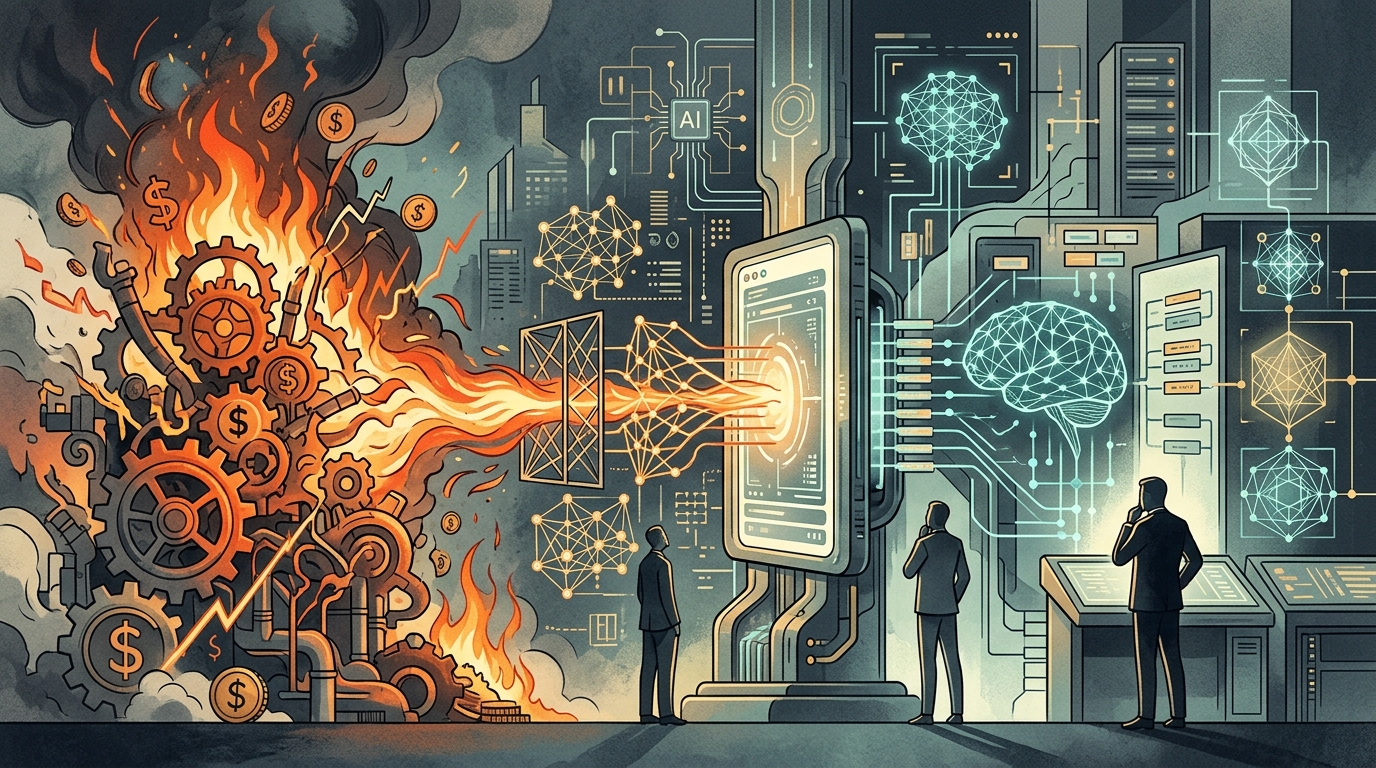
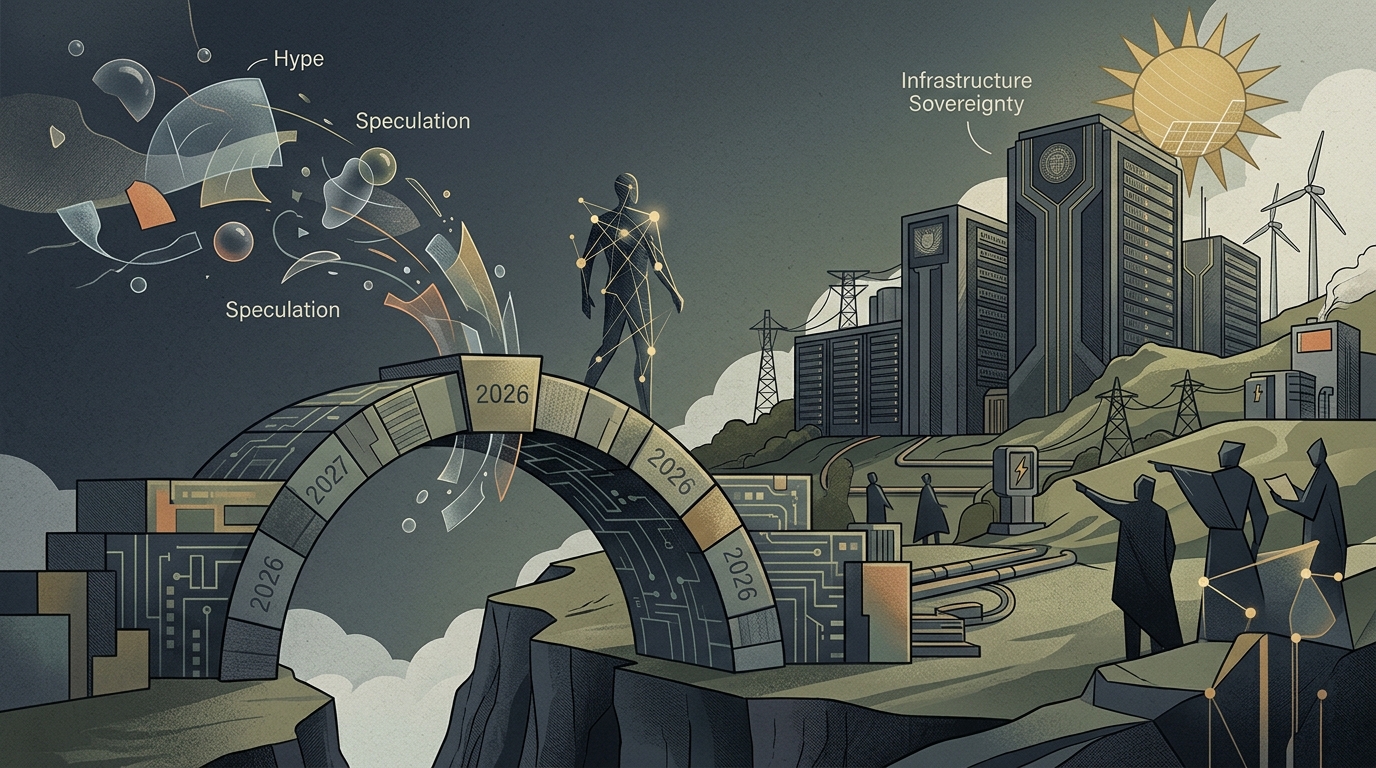
The transition from market euphoria to 'hard economic reality'—as seen in the recent market corrections—reminds us that technology is a tool, not a deity. By grounding our policies in transparency and accountability, we ensure that the digital era strengthens, rather than erodes, the democratic fabric of our society. The signature of the algorithm must be legible to all, for in the light of transparency, justice finds its footing.