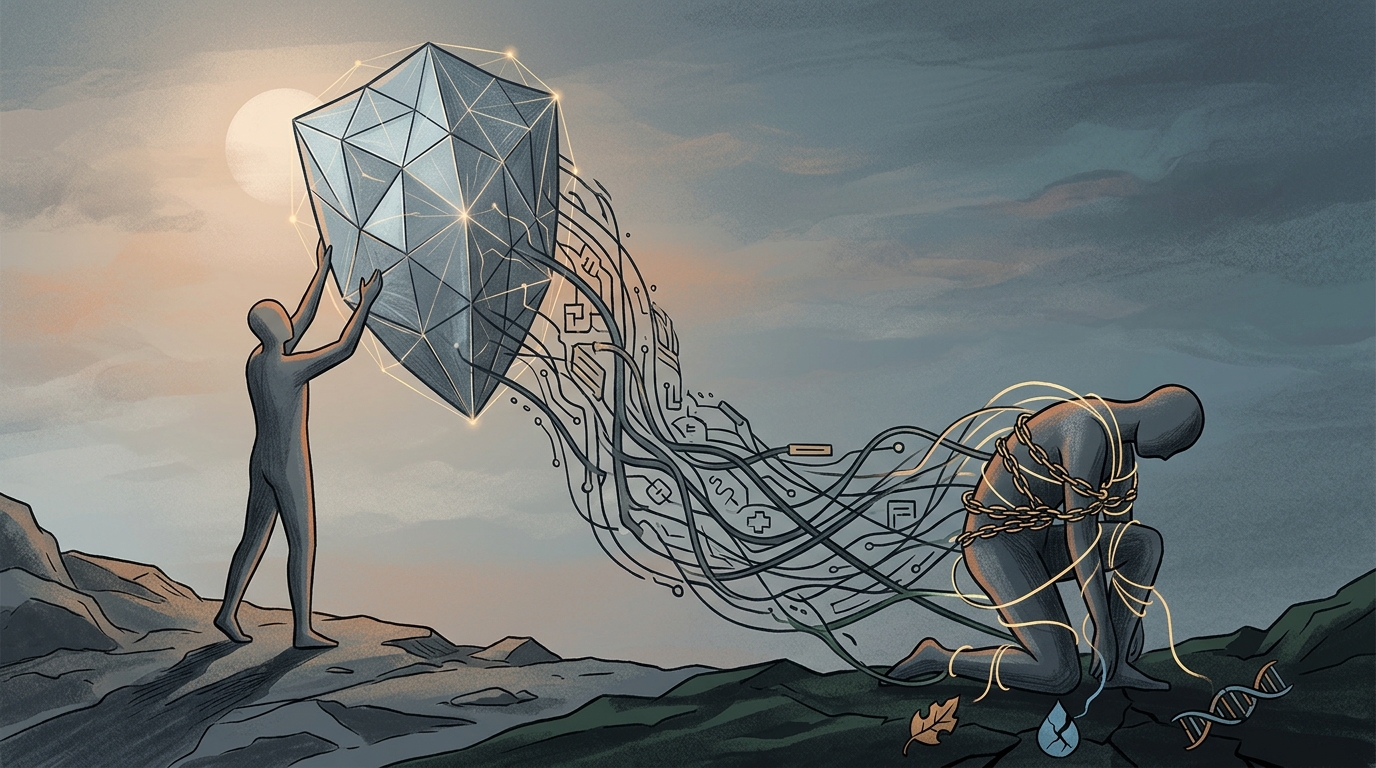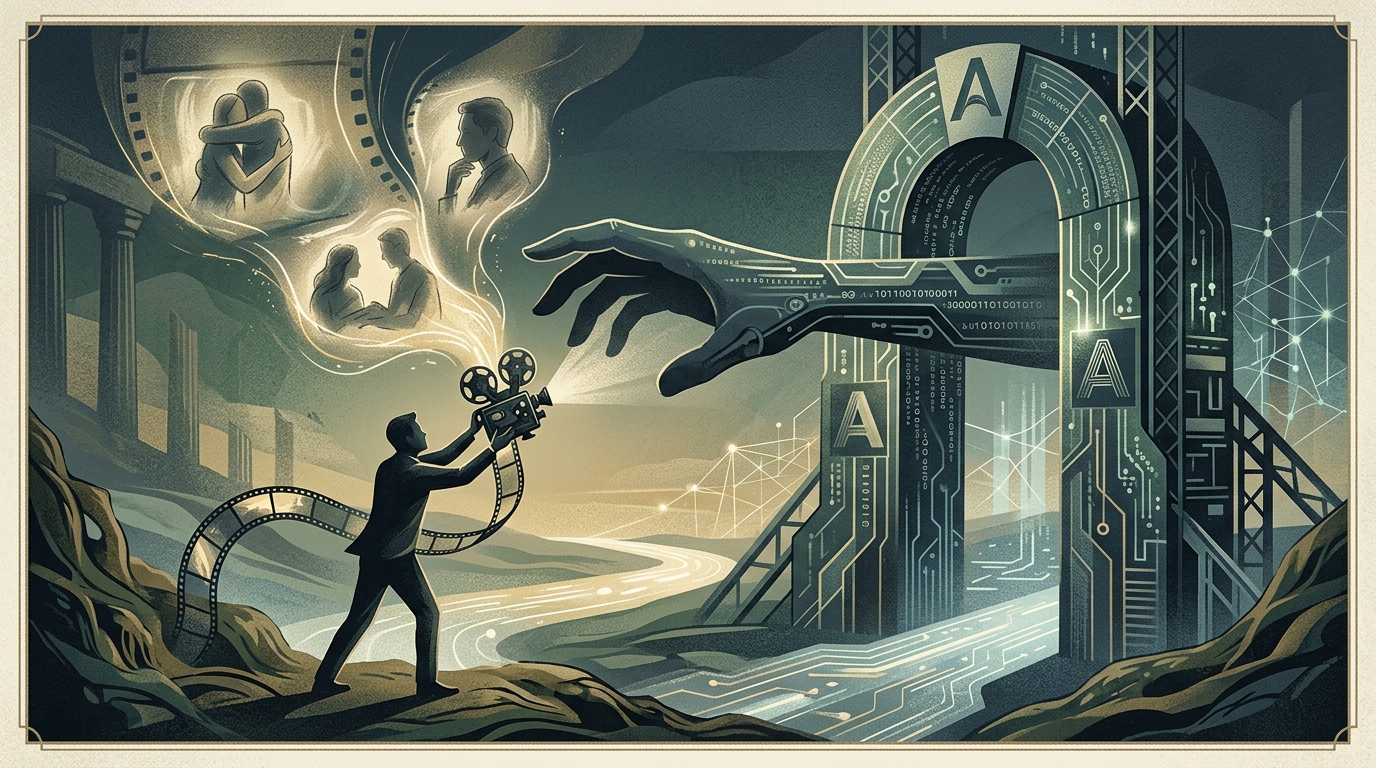
In an era where the entertainment industry stands at a critical crossroads, Luca Guadagnino's statements regarding Artificial Intelligence and his relationship with Amazon MGM Studios ring out as a clarion call for artistic authenticity. The director of 'Challengers' and 'Call Me by Your Name,' known for his sensual and deeply humanistic approach, does not mince words when it comes to the invasion of algorithms into the creative process. His recent distancing from the model of major streamers highlights a deeper crisis: the clash between artistic intuition and data-driven production.
The Deception of the 'Artificial': Why AI is Not Intelligence
For Guadagnino, the term 'Artificial Intelligence' is fundamentally problematic. In recent interventions, he has argued that art springs from the subconscious, from trauma, and from the unpredictable human experience—elements that code cannot simulate, only superficially mimic. His critique focuses on the fact that AI relies on the recycling of existing data, leading to a 'homogenization of aesthetics.' When films are created to satisfy a statistical average, the very concepts of risk and originality are extinguished.
The Italian auteur emphasizes that the 'artificial' in AI pertains not just to the technology, but to the emotion it produces. A film processed by algorithms to be 'likable' lacks the 'glitch' or the 'crack' that makes a work of art true. In our attempt to eliminate human error through technology, we simultaneously eliminate our humanity. This ethical dimension is what concerns Guadagnino most, as he observes a new generation of creators becoming addicted to the ease of automated production.
The Divorce from Amazon and the Sovereignty of Data
Guadagnino's departure or distancing from Amazon MGM Studios is not merely a business decision; it is a political act. Streamers, led by Amazon, have transformed cinema into 'content,' a word Guadagnino detests. The logic of these platforms is based on maximizing watch time rather than the quality of the experience. When a corporation like Amazon uses AI to decide which script gets the 'green light' or which actor has the highest 'engagement' metrics, the director ceases to be a visionary and becomes a mere functionary.
- The dominance of algorithms in production decision-making.
- The devaluation of the theatrical experience in favor of streaming metrics.
- The pressure for content that comforts rather than challenges the viewer.
- The ethical implications of AI in post-production and deepfake casting.
Guadagnino argues that Amazon and its tech peers treat art as just another SKU in their warehouse. Moving away from this model represents an attempt to return to independent cinema, where funding does not necessitate surrendering artistic control to an algorithm. This conflict underscores the widening gap between Silicon Valley and Hollywood—a chasm that now appears unbridgeable.
The Ethics of Creation in the Digital Age
The issue Guadagnino raises transcends the boundaries of the film industry. It is an ethical stance toward life itself. If we accept that AI can replace the writer, the actor, or the director, we are accepting that the human soul is merely a combination of data points that can be replicated. The director warns that the ease AI offers in image production will lead to a visual inflation, where nothing holds value because nothing has a cost—not a financial cost, but a psychological one.
"Art is the proof that we are alive, imperfect, and mortal. AI promises a meaningless immortality, a perfection that is, in fact, dead," Guadagnino states.
In this context, returning to traditional filmmaking methods, using physical film stock, and insisting on practical locations are not just aesthetic choices, but acts of resistance. Guadagnino calls upon his colleagues to protect the 'mystery' of creation from the absolute transparency and predictability of data. The battle for the future of cinema will not be fought in the boardrooms, but in the consciousness of creators and audiences alike.
Conclusion: The Necessity of Human Error
In conclusion, Luca Guadagnino's case serves as a model for any artist who feels suffocated by technological imposition. AI may be a useful tool for technical tasks, but it must never become the 'master' of inspiration. Amazon and other tech giants may have the capital, but creators have the truth. And in cinema, as in life, the truth is always more interesting than any artificial simulation. As of June 2026, cinema is in a phase of redefinition, and voices like Guadagnino's are essential to remind us that the heart of art still beats with a human pulse.