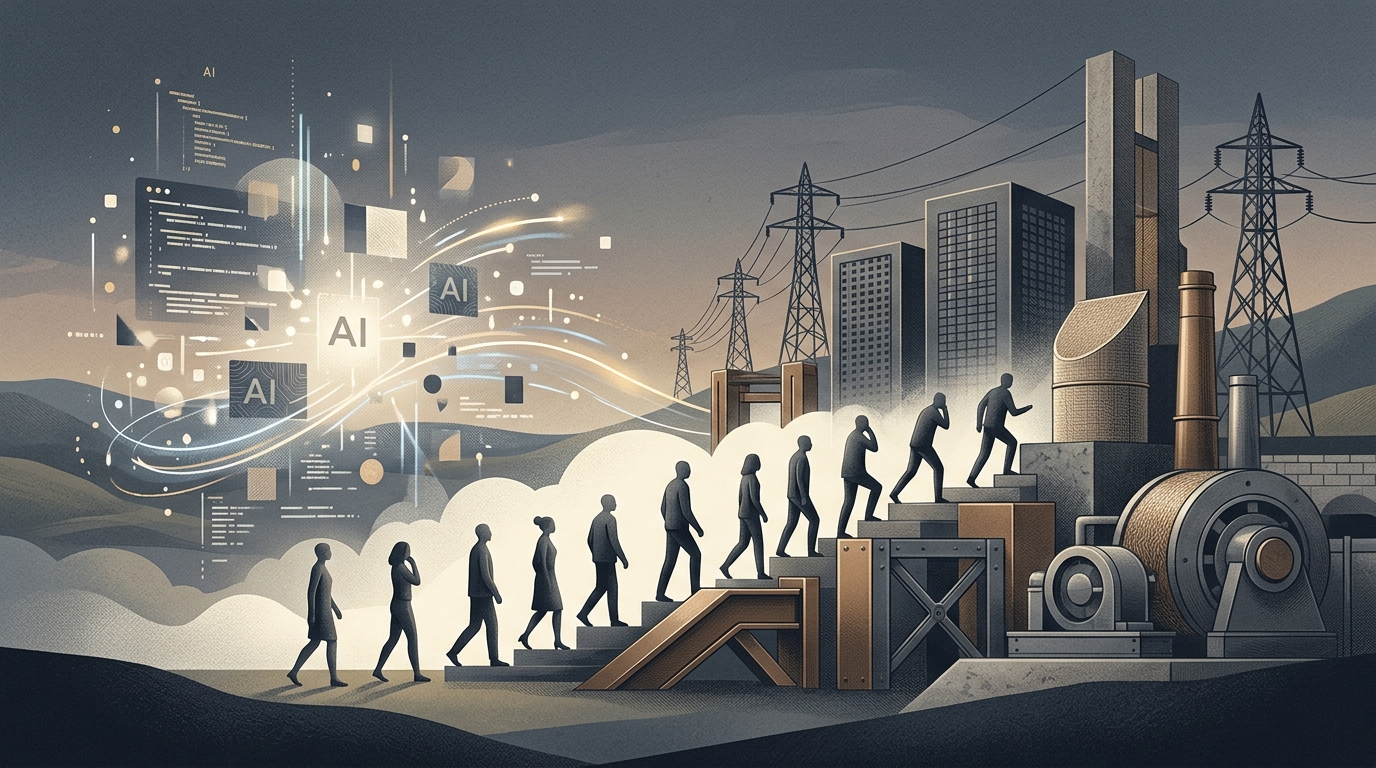
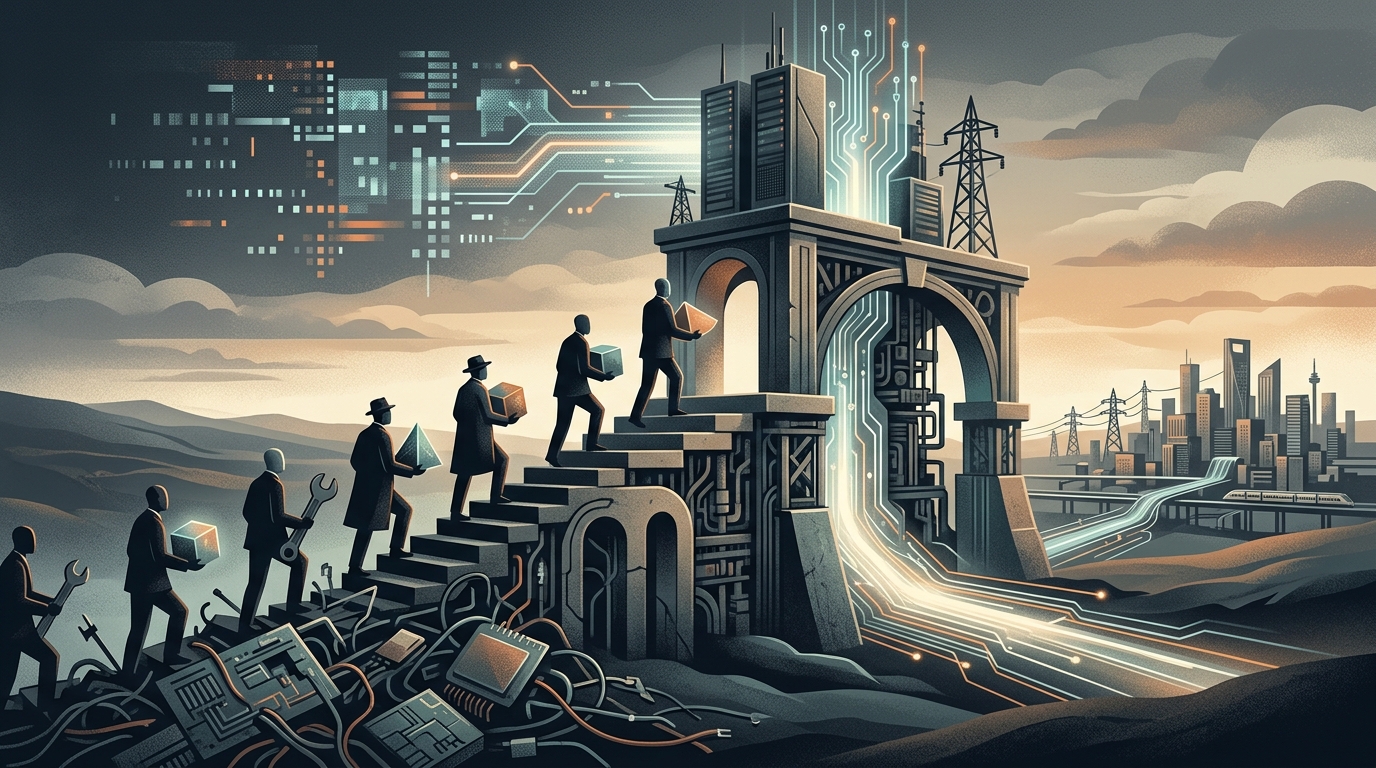
The market retreat of 2% in the S&P 500 this week, led specifically by high-flying AI equities, should not be viewed as a collapse of the sector, but rather as a sophisticated rotation. Investors are moving away from the 'speculative layer' of generative AI and anchoring their capital in the 'physical layer.' As we reach mid-2026, the narrative has shifted from who can build the largest model to who can power and connect the infrastructure required to run them.
The Hardware Goldmine and Silicon Sovereignty
The recent alliance between Nvidia and SK Hynix is a landmark moment for the AI value chain. By tightening the integration between GPU manufacturing and High Bandwidth Memory (HBM), these titans are creating a moat that transcends software. This is 'Silicon Sovereignty' in action—a strategic consolidation that ensures supply chain resilience amidst global trade tensions. For the institutional investor, the real 'alpha' is no longer found in the 500th LLM startup, but in the optical infrastructure boom. Hardware, once considered a low-margin commodity, has become the most valuable bottleneck in the global economy.
"The optical infrastructure layer is the real AI goldmine of 2026. Without the photonics to move data at the speed of thought, the most advanced models are merely stranded assets."
Furthermore, the $12 billion orbital AI alliance between Google and SpaceX highlights that the infrastructure race has moved beyond terrestrial limits. By leveraging low-earth orbit (LEO) satellites for distributed AI processing, these companies are redefining latency and global accessibility, creating a new tier of competitive advantage that traditional cloud providers will struggle to match.
Utilities as the New Tech Titans
Perhaps the most significant trend in the Q2 2026 landscape is the transformation of utility companies into technology powerhouses. The energy-AI nexus is now the primary driver of capital expenditure. As Apollo and Blackstone form massive alliances to fund AI infrastructure, we are seeing a 'private equity-fication' of the power grid. Data centers are no longer just tenants; they are becoming the primary stakeholders in national energy policies.
However, this boom faces macroeconomic headwinds. Bank of America’s latest report on the European Central Bank (ECB) suggests a crossroads. With the specter of stagflation looming and potential new rate hikes to combat persistent inflation, the cost of capital for these massive infrastructure projects is rising. European firms, including Apple with its 'Intelligence' pivot tailored for the EU market, must navigate a complex regulatory and monetary environment that contrasts sharply with the more aggressive US fiscal expansion.
Market Implications and Strategy
For the remainder of 2026, we expect continued volatility in consumer-facing AI stocks as the market demands proof of monetization. Conversely, we maintain a bullish outlook on the 'Backbone Trio':
- Optical Networking: Companies providing the physical interconnects for data centers.
- Energy Infrastructure: Utilities with diversified, high-capacity grids.
- Specialized Asset Management: Firms like Caldworth that are pivoting toward AI-driven investment management to find inefficiencies in this high-rate environment.
In conclusion, the 'AI retreat' is a healthy correction that separates the innovators from the infrastructure. The winners of 2026 will be those who control the physical reality of the digital age.