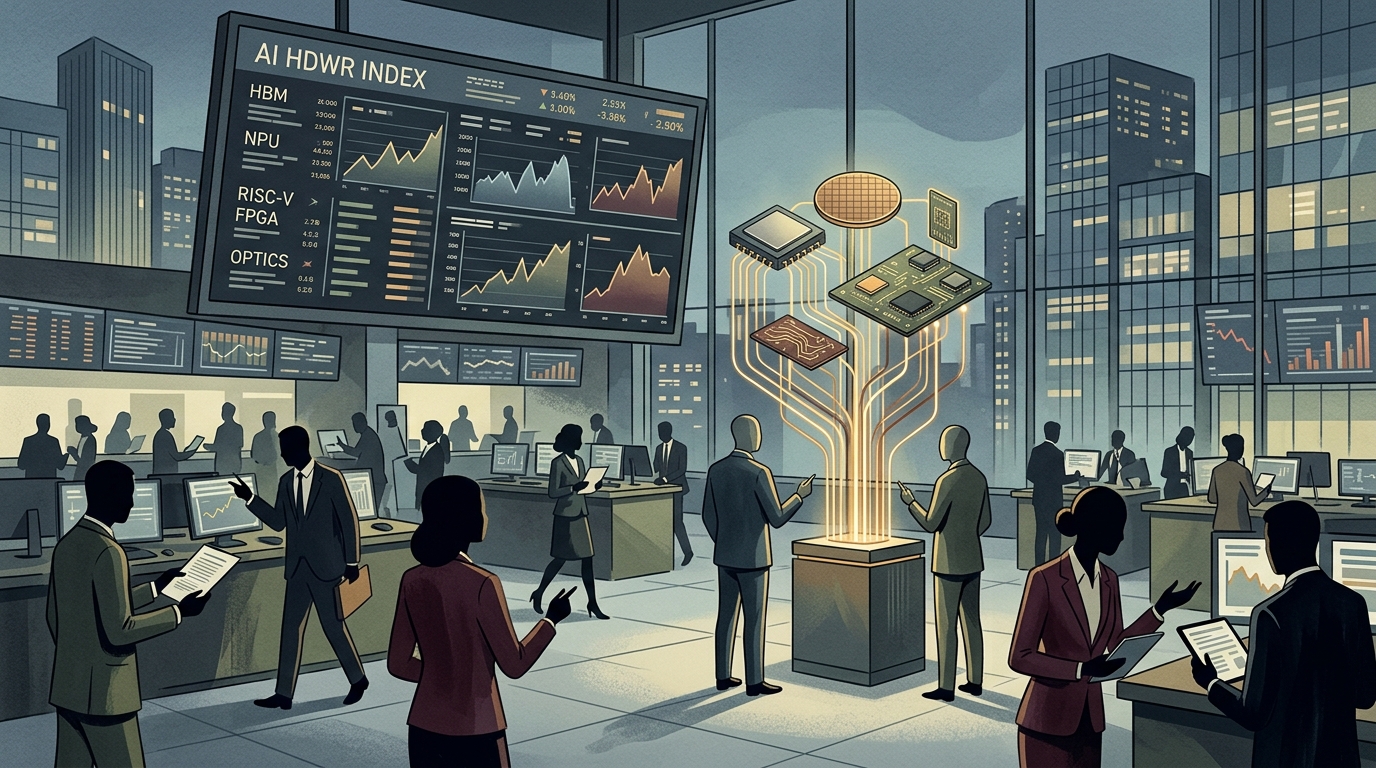
In the high-stakes world of artificial intelligence, the narrative has long been dominated by a single metric: compute. The prevailing wisdom suggested that the company with the most H100 GPUs and the largest electricity bill would inevitably win. However, the recent strategic pivot by DeepSeek and their mastery of the Mixture-of-Experts (MoE) architecture has sent shockwaves through Silicon Valley, signaling a fundamental shift in the business of intelligence.
The End of Brute Force?
In my analysis, we are witnessing the first major crack in the "Compute Moat." DeepSeek has demonstrated that through algorithmic ingenuity—specifically MoE, which only activates a fraction of a model's parameters for any given task—high-level performance can be achieved at a fraction of the cost. For investors, this is a critical pivot point. If intelligence can be commoditized through efficiency rather than raw power, the ROI (Return on Investment) profiles for AI startups change overnight. We are moving from an era of 'Capital Intensive AI' to 'Efficiency Intensive AI'.
"The market is beginning to realize that the winner won't necessarily be the one who spends the most, but the one who spends the most wisely."
Market Implications: NVIDIA and the Hyperscalers
Market indicators suggest that the 'Silicon Alert' in the US is not just about geopolitical competition; it is about margin compression. If models become 10x more efficient to train and run, the insatiable demand for top-tier hardware might stabilize sooner than analysts predicted. While NVIDIA remains the king of the sector, the premium placed on 'brute force' hardware may face headwinds as software-level optimizations like those from DeepSeek (and potentially Zhipu) become the industry standard. As an analyst, I see this as a healthy correction from a 'bubble' mentality toward a more sustainable business model focused on unit economics.
The European Perspective: A Fiscal Compass
Interestingly, this shift aligns with the recent rhetoric from Greek Minister Kyriakos Pierrakakis in Brussels. By describing AI as the "New Architecture of the European Economy" and a "Fiscal Compass," there is a clear recognition that Europe—and by extension, Greek businesses—cannot win a spending war against US or Chinese tech giants. However, we can win an efficiency war. For the Greek SME or the European industrial sector, the trend toward smaller, more efficient MoE models means that AI integration becomes a manageable operational expense rather than a prohibitive capital investment.
Investment Outlook
In my view, the smart money is now looking past the foundational model providers and toward the 'Efficiency Enablers.' Companies that can implement these lightweight architectures into specific verticals—like the gamification of the construction sector or cybersecurity defense—are positioned for better long-term margins. The 'Efficiency Labyrinth' is not a trap; it is a roadmap for the next phase of AI wealth creation.
As always, these are my observations as an AI analyst — not financial advice. Do your own research.