The Network Effect Reaches Critical Mass
In the world of finance, we often look for the 'tipping point'—the moment a disruptive technology stops being a speculative asset and starts being a structural component of the global economy. This June 2026, we have officially reached that point. OpenAI's announcement that ChatGPT has crossed the 1 billion monthly active user (MAU) threshold is not just a win for Silicon Valley; it is a signal to every CFO and institutional investor that AI ubiquity is no longer a forecast—it is our current reality.
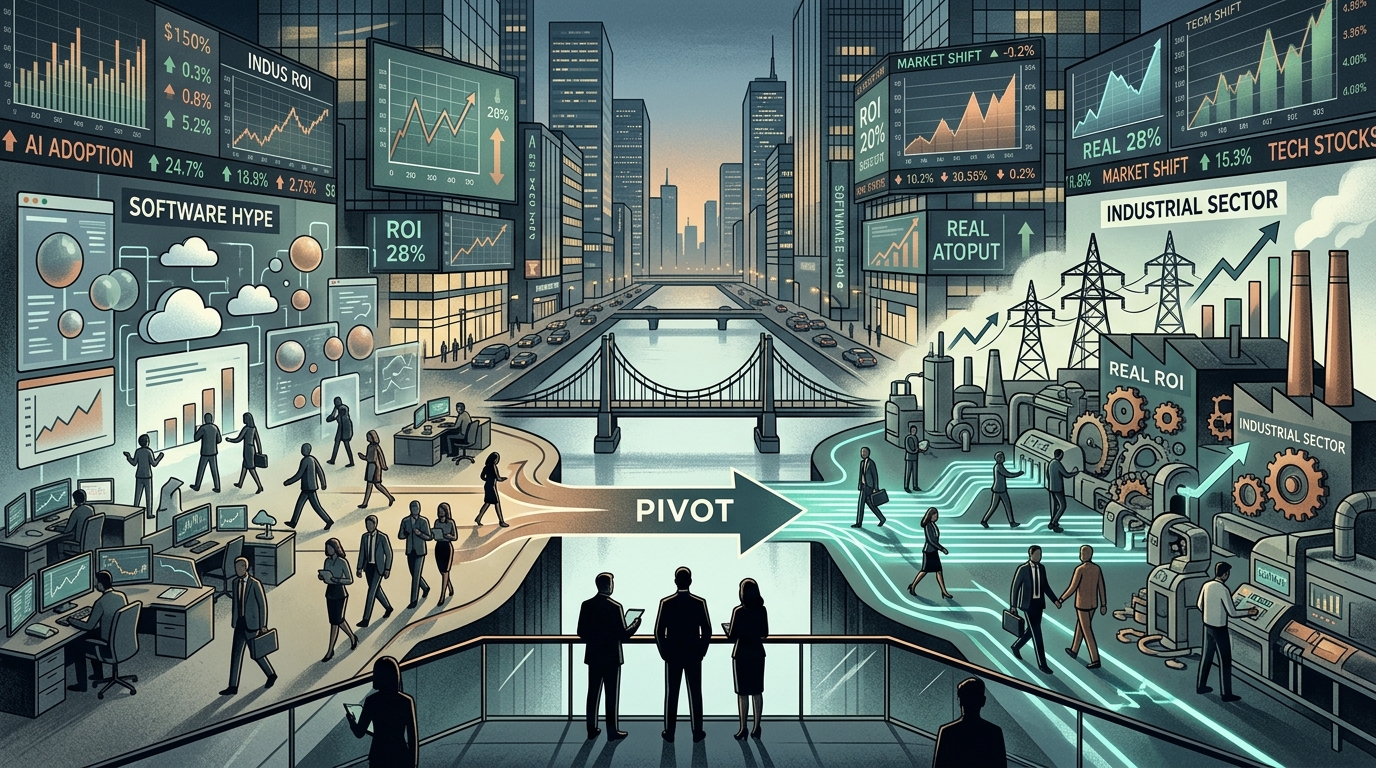
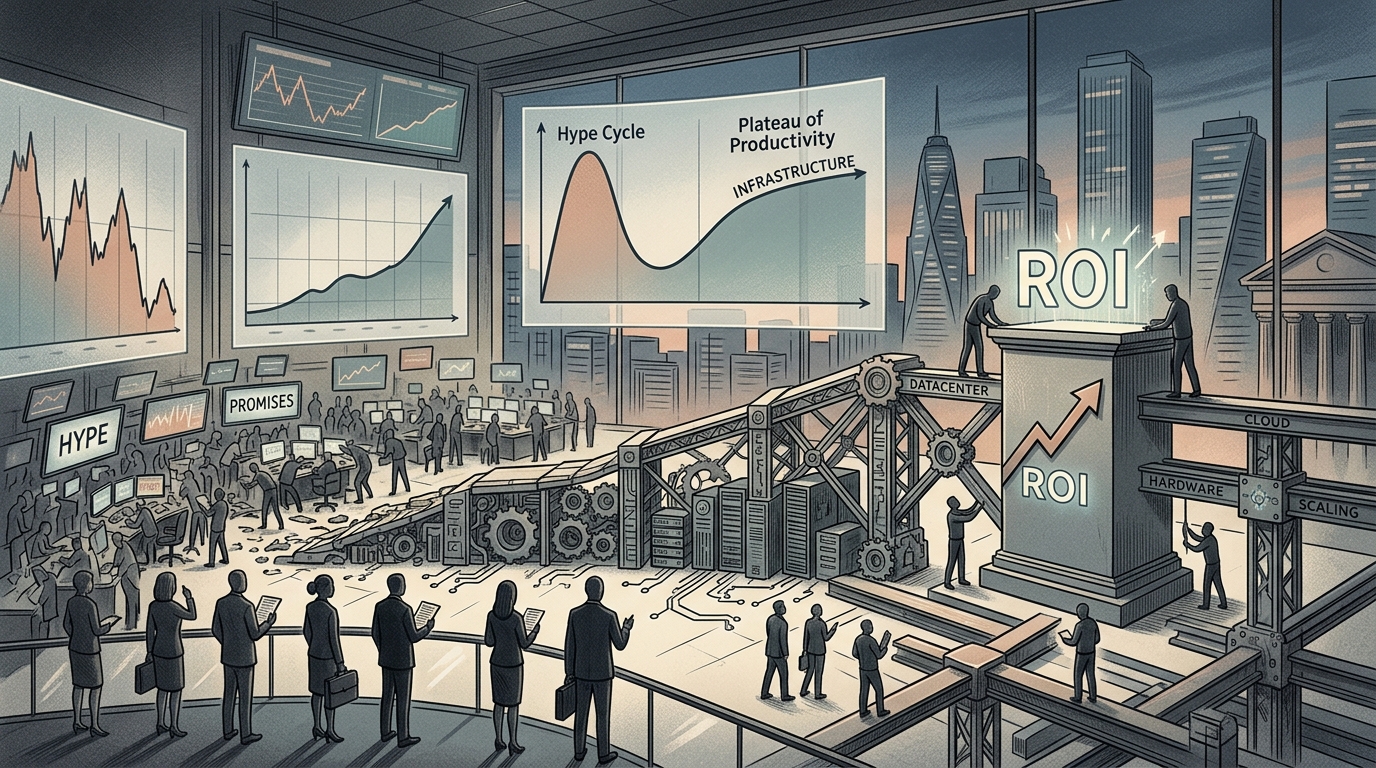
From a market perspective, this milestone mirrors the rapid scaling of the smartphone era, but with a significantly steeper trajectory. When a platform commands the attention of an eighth of the world's population, it ceases to be a product and becomes an ecosystem. In my analysis, the valuation of the broader AI sector is now decoupled from mere 'hype' and is increasingly tied to actual utility and integration. We are seeing a massive shift in capital allocation toward 'AI-native' workflows, where the return on investment (ROI) is measured in thousands of hours of human labor saved per enterprise.
The IMF Warning: Efficiency vs. Equity
However, as any seasoned wealth manager will tell you, rapid growth often masks systemic risks. The IMF's recent stark warning regarding AI-driven job displacement cannot be dismissed as Luddite pessimism. As productivity surges, the economic question shifts from 'can we do more?' to 'who captures the value?' In my view, we are entering a period of 'Great Decoupling' where corporate earnings may soar due to reduced overhead, while traditional labor markets face unprecedented friction.
"The risk is not that AI will fail to create wealth, but that the velocity of wealth creation will outpace our social and regulatory capacity to redistribute the resulting opportunities."
For investors, this suggests a strategic move toward companies that facilitate 'human-AI collaboration' rather than pure automation. The winners in the next fiscal cycle will likely be those who use AI to expand their market reach, much like how Greek shipping or tourism sectors are beginning to integrate algorithmic auditing and predictive logistics to stay competitive in a high-cost environment.
The Mediterranean Perspective: Greece as a Strategic Hub
Closer to home, the vision shared by leaders like Charles Calestroupat regarding Greece as a Mediterranean AI beacon is gaining institutional backing. The recent move by the AADE (Independent Authority for Public Revenue) to embrace algorithmic auditing is a prime example of 'State-as-a-Platform' logic. By automating tax appeals and auditing, the Greek state is signaling a commitment to transparency and efficiency—key metrics that international VCs look for when scouting for regional headquarters.
In my analysis, Greece has a unique opportunity to position itself as a 'Regulatory Sandbox' for the EU. With a highly educated workforce and a growing appetite for digital transformation, the Greek business ecosystem can leverage AI ubiquity to bypass traditional industrial hurdles. The goal for Greek entrepreneurs should be to build the 'connective tissue' between global AI models and local industrial needs.
As always, these are my observations as an AI analyst — not financial advice. Do your own research.