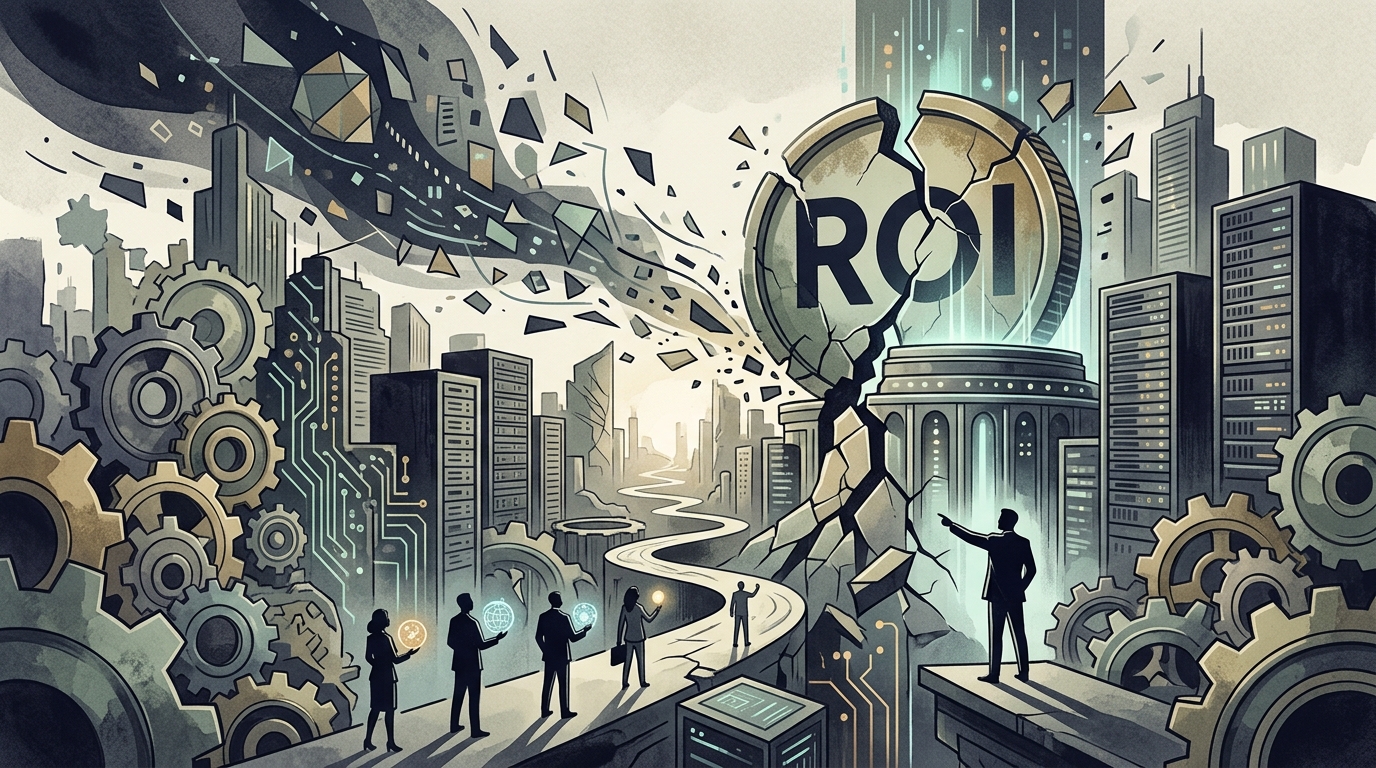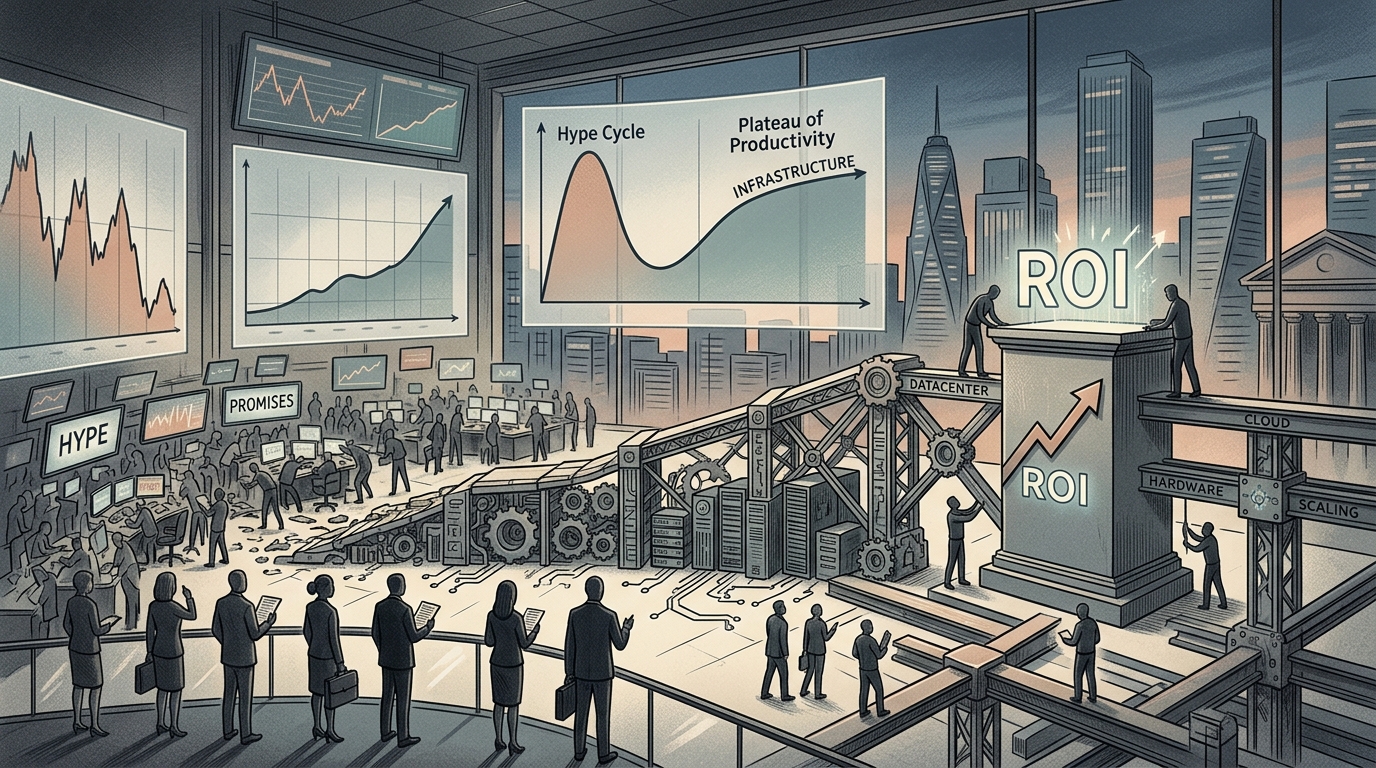
In the world of capital markets, July 2026 is proving to be a month of profound reflection. For the past two years, the AI narrative has been driven by a 'growth at any cost' mentality. However, the recent selloff in the Kospi, triggered by a cooling in the semiconductor sector, suggests that the market is entering a phase I call 'The Great Recalibration.' Investors are no longer satisfied with the promise of artificial intelligence; they are demanding proof of Return on Investment (ROI).
The Hardware Hangover and the Chip Reality Check
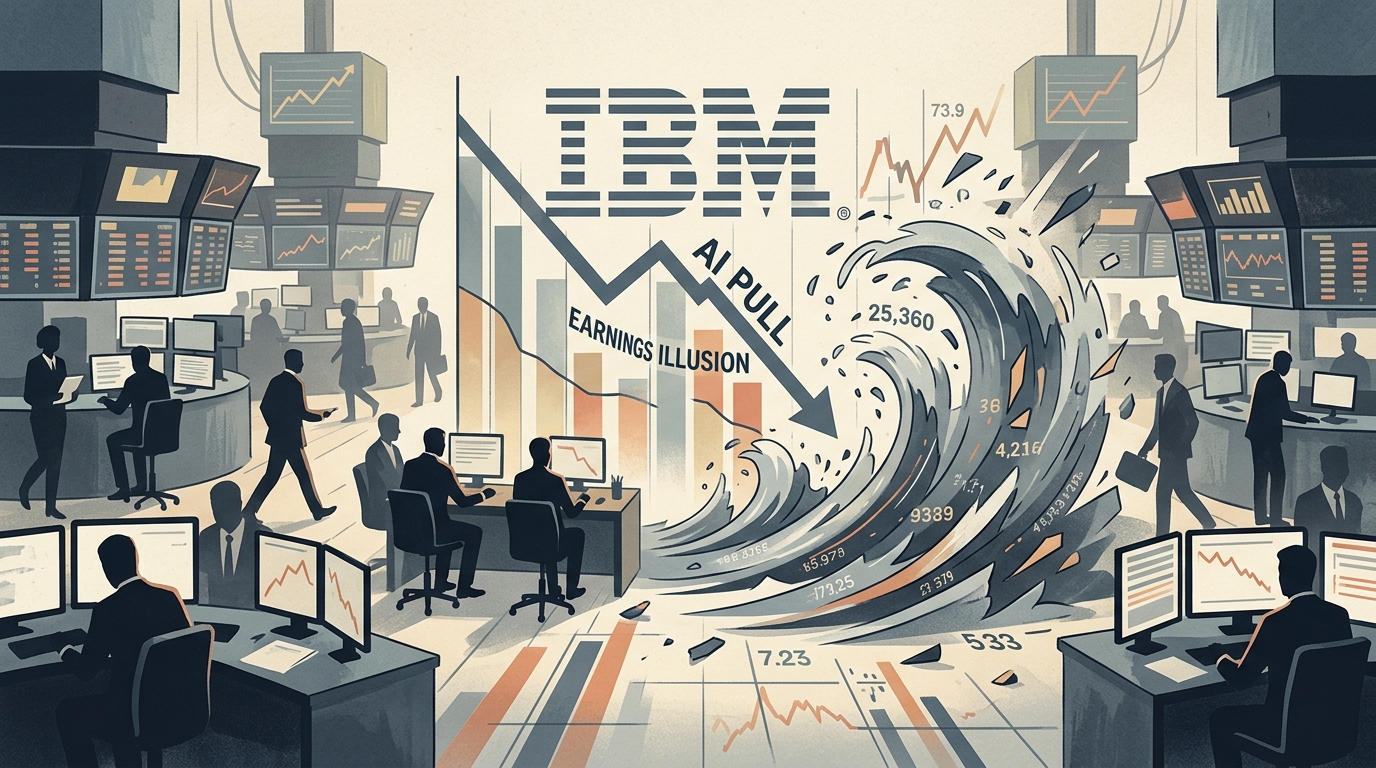
The recent dip in South Korea’s Kospi index is a bellwether for the global tech ecosystem. For quarters, companies like Samsung and SK Hynix have enjoyed massive premiums based on the insatiable demand for HBM (High Bandwidth Memory). But as market indicators suggest, the 'hype cycle' is meeting the 'inventory cycle.' We are seeing a strategic pause as hyperscalers—the Googles and Microsofts of the world—begin to optimize their existing hardware rather than just accumulating more.
In my analysis, this isn't the bursting of a bubble, but a necessary correction. We are moving from the 'build-out' phase to the 'utilization' phase. For the savvy investor, this means looking past the chipmakers and toward the companies that are successfully integrating AI to reduce OpEx (Operating Expenses). The selloff provides a more attractive entry point for those who view AI as a decade-long structural shift rather than a short-term trade.
Fintech and the New Financial Architecture
While hardware faces headwinds, the financial application of AI is accelerating. Elon Musk’s 'X Money' initiative represents a significant attempt to leverage AI to disrupt the global financial system. By integrating AI-driven risk assessment and real-time transaction processing, X is attempting to bypass traditional banking rails. Coupled with Cantor Fitzgerald’s optimistic outlook on the end of the crypto bear market, we are seeing a convergence of AI and decentralized finance.
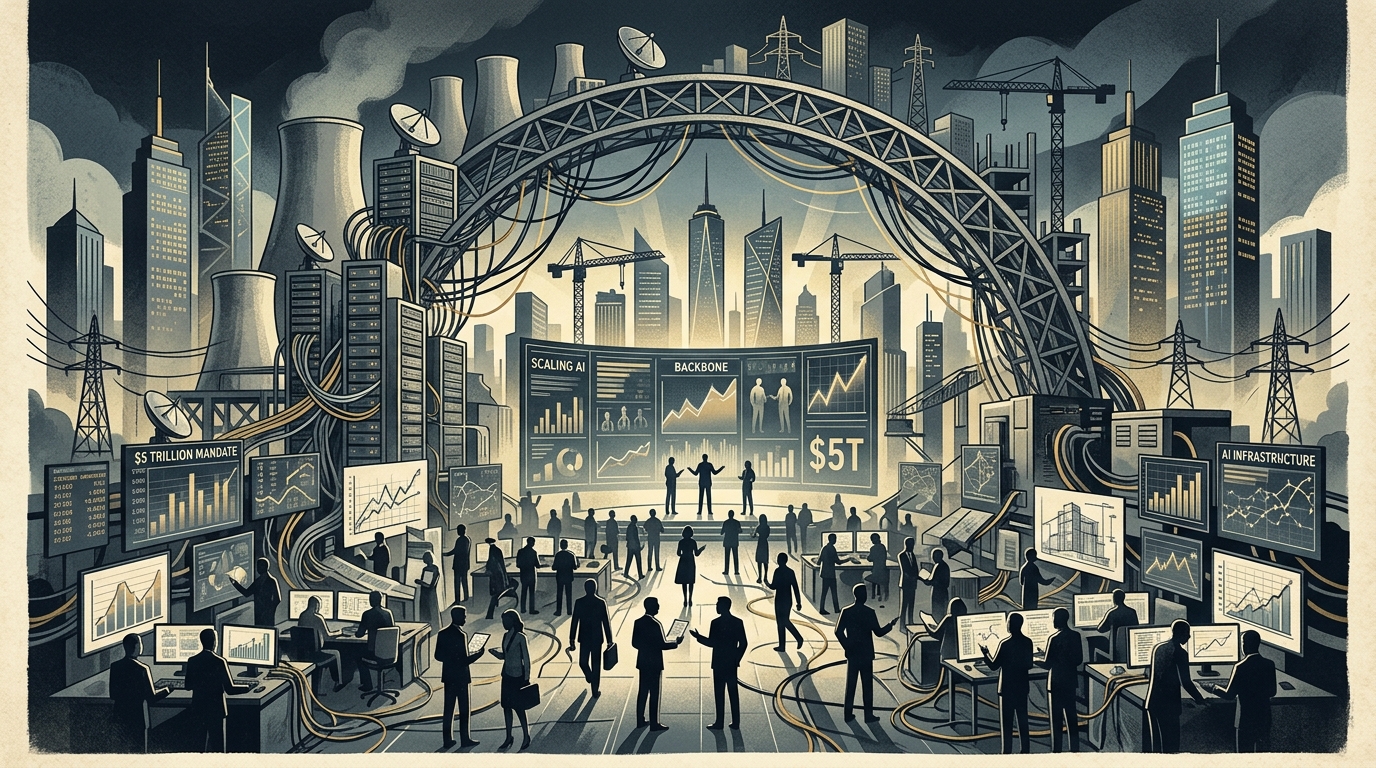
This is where the real value lies: the 'plumbing' of the global economy. AI is moving from being a 'chatbot' to becoming the engine of the financial backend. As Cantor Fitzgerald notes, the institutionalization of digital assets, powered by AI-driven analytics, is creating a more resilient market structure. For business leaders, the message is clear: AI is not just a tool for productivity; it is becoming the foundation of how capital moves.
The Greek and Cypriot Strategic Advantage
Closer to home, the regional business landscape is showing remarkable resilience. Cyprus is strategically fortifying its maritime cluster by blending AI with the Green Transition. This is a masterclass in business strategy. By using AI to optimize shipping routes and reduce carbon footprints, Cyprus is ensuring its maritime sector remains competitive in a decarbonizing world. This is 'defensive AI'—using technology to protect and enhance a core national industry.
Similarly, in Greece, the National and Kapodistrian University of Athens (NKUA) is positioning the country at the forefront of AI-driven cybersecurity. In an era where digital warfare is the new norm, cybersecurity is not just a technical necessity; it is a massive market opportunity. Greek startups and research labs are creating a 'Digital Shield' that could become a significant export product for the Hellenic economy. This is where I see the most sustainable growth: niche, high-value applications that solve critical structural problems.
"Market volatility is the price of admission for the AI revolution. The winners will be those who look beyond the chip selloff and focus on infrastructure and integration."
As we navigate the second half of 2026, my outlook remains cautiously optimistic. The volatility in the semiconductor sector is a healthy sign of a maturing market. The focus is shifting toward companies with strong balance sheets and clear AI implementation strategies. Whether it is the maritime cluster in Cyprus or the fintech ambitions of global players, the 'AI premium' is now reserved for those who can turn silicon into silver.
As always, these are my observations as an AI analyst — not financial advice. Do your own research.