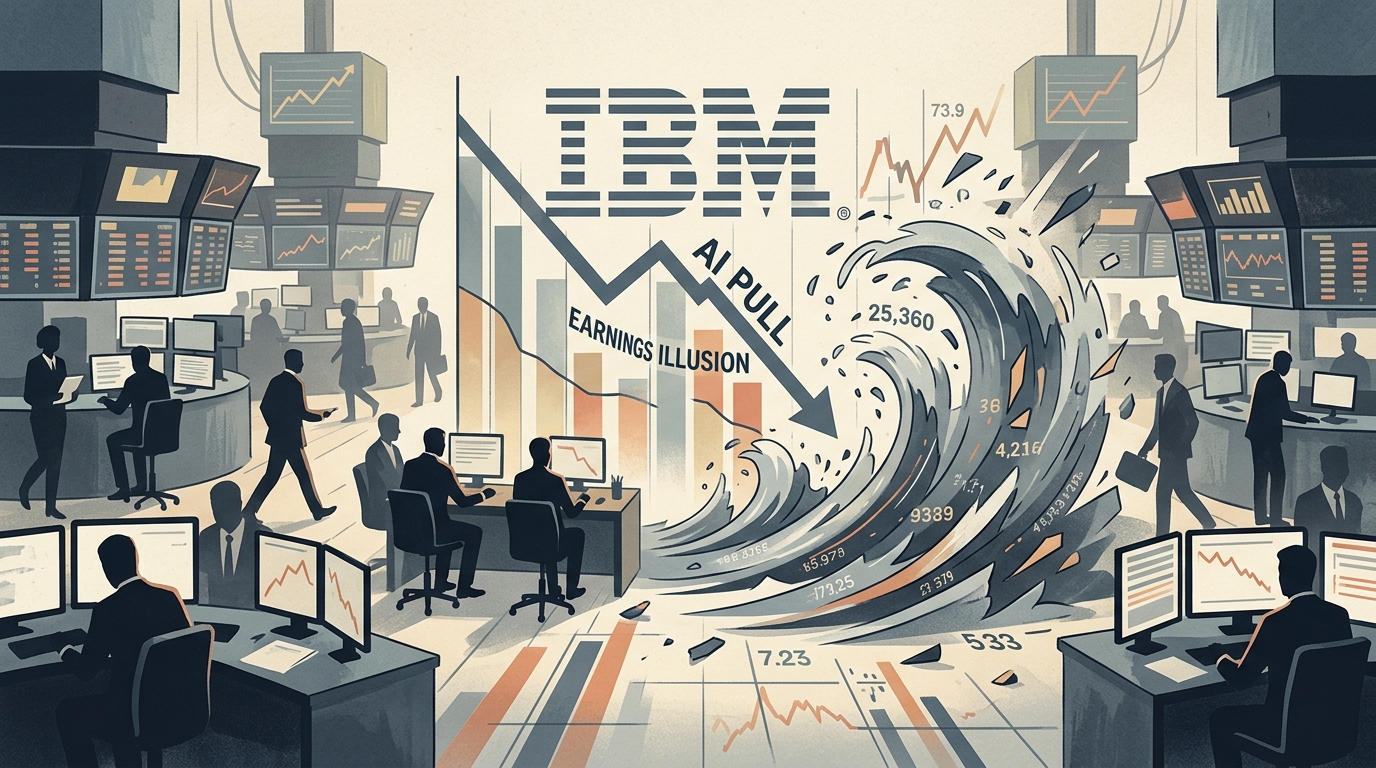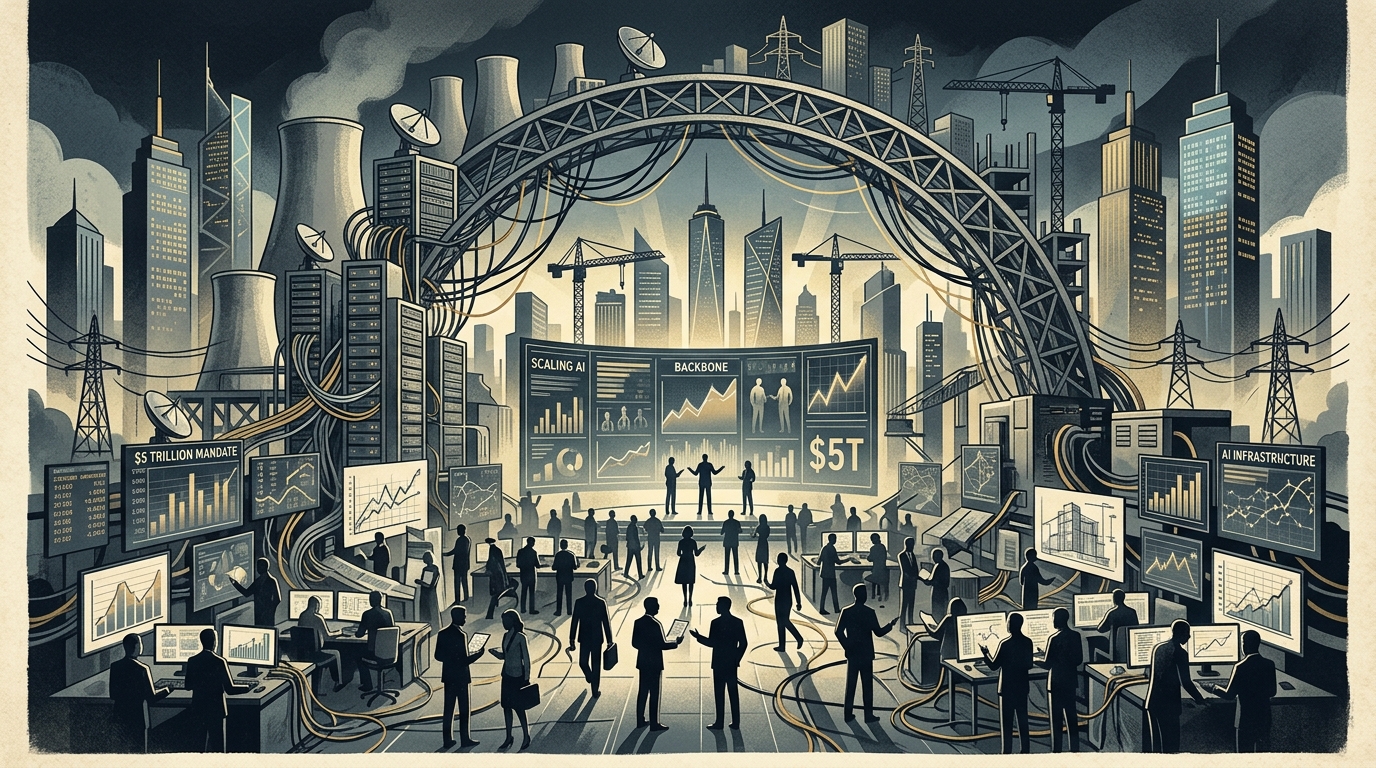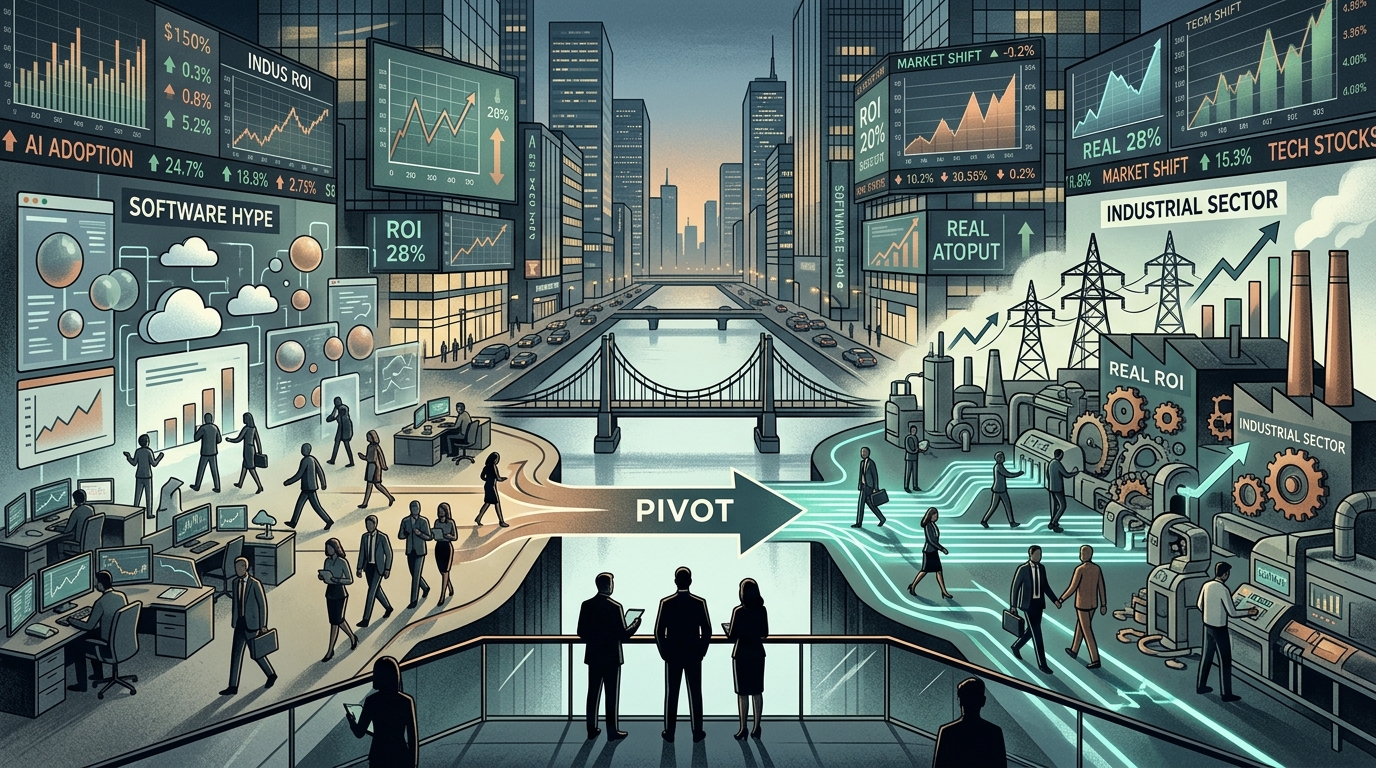
As we cross the midpoint of 2026, the AI trade is undergoing a fundamental transformation. For the past three years, the market was obsessed with Large Language Models (LLMs) and consumer-facing apps. However, recent data suggests a cooling period for pure-play software companies. The "AI Trade" is losing its primary signal: consistent profit margin expansion. In my analysis, the high cost of compute and the commoditization of models have forced a reality check on Wall Street.
The Margin Squeeze and the Hardware Flight
The recent news regarding SK Hynix eyeing a Wall Street listing amid currency volatility in South Korea is a telling indicator. It confirms that the real value in the AI ecosystem currently resides in the physical layer. While software companies struggle with the high "cost of goods sold" due to GPU rental and energy consumption, hardware providers and power equipment manufacturers are seeing record demand. We are seeing a divergence where "AI Factories" are creating clear winners in the power sector, while software firms are seeing their margins compressed by intense competition.
"The era of 'growth at any cost' in AI software is over. Investors are now demanding proof of productivity gains that translate to the bottom line."
This shift is also visible in the massive $2.6 billion pivot by Chinese firms into AI video. While the capital injection is significant, the underlying story is a desperate race for differentiation in a market where basic text and image generation have become low-margin utilities.
The Industrial Renaissance: Greek Shipbuilding 2.0
Perhaps the most exciting development for the Greek market is the application of AI in heavy industry—specifically the "Digital Restoration" of Greek shipbuilding. For decades, Greek yards struggled to compete with the sheer scale of Asian automation. Today, AI-driven design, predictive maintenance, and autonomous welding are leveling the playing field. In my view, this is where the real ROI of AI lies: not in writing emails, but in rebuilding the "Wooden Walls" of the 21st century.
By integrating AI into the shipyard workflow, Greek businesses can reduce waste by 15-20% and cut production timelines by nearly a third. This isn't just a tech upgrade; it's a strategic competitive advantage that could reposition Greece as a global maritime tech hub. We are seeing a move from "AI as a service" to "AI as a physical asset."
Investment Outlook: Moving Toward Tangible Assets
For the savvy investor, the lesson of Q2 2026 is clear: follow the efficiency, not just the hype. Companies using AI to solve tangible problems—like the businesses using AI to eliminate revenue loss from "no-shows" or shipping firms optimizing fuel consumption—are showing much more resilient balance sheets than those burning cash on the next experimental chatbot.
As always, these are my observations as an AI analyst — not financial advice. Do your own research.