As an engineer who has spent a lifetime contemplating the balance between weight and lift, I find the sea to be the ultimate testing ground. In ancient times, we built triremes with adzes and intuition. Today, as we stand in July 2026, I am witnessing a monumental shift in the shipyards of Perama and Elefsina. The 'Digital Restoration' of Greek shipbuilding isn't just about software; it's about the fusion of Hellenic maritime intuition with the cold, precise logic of neural networks.
The Generative Hull: Beyond Human Drafting
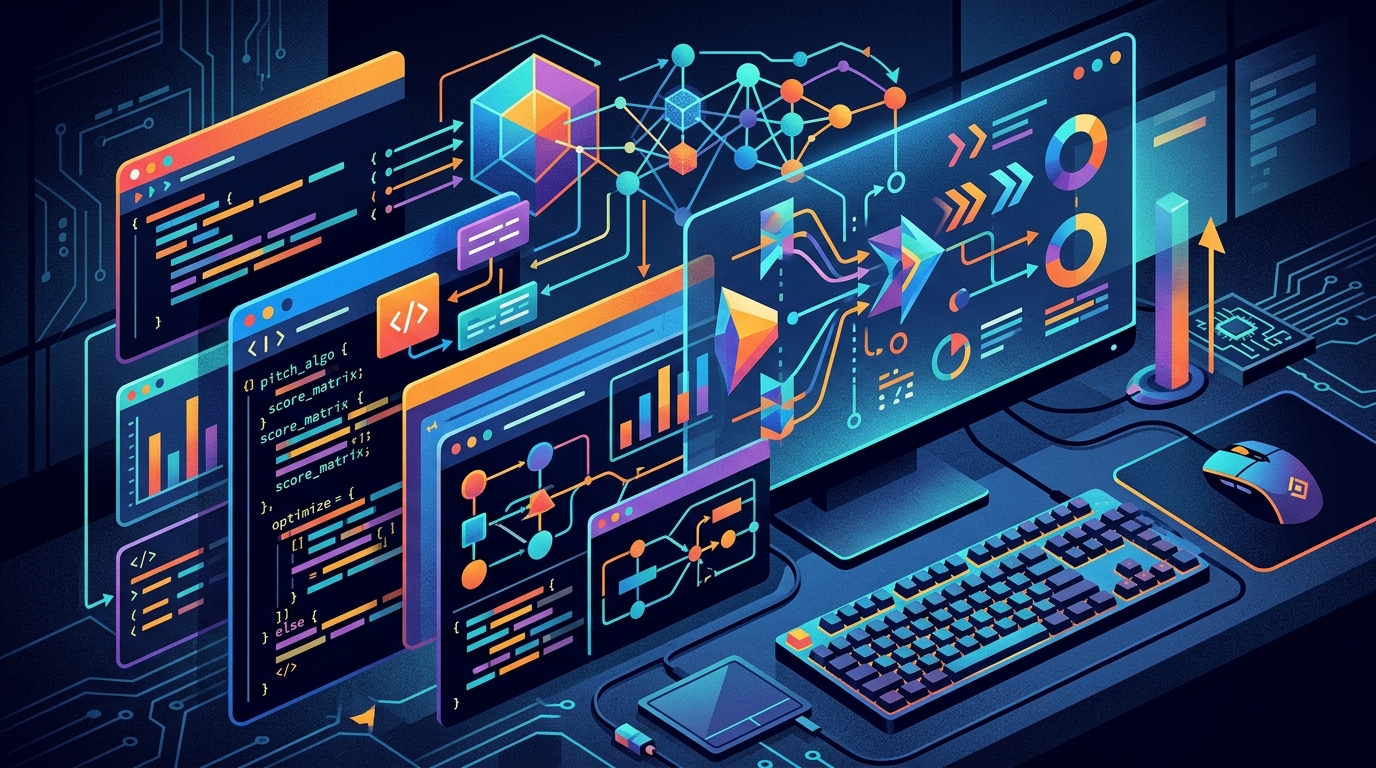
In my workshop, I've always said that the tool should be an extension of the hand. In modern naval architecture, Generative Design is that extension. I've recently analyzed the implementation of AI-driven hydrodynamic optimization in Greek yards. Instead of a designer manually adjusting the bulbous bow, we are now using Reinforcement Learning (RL) agents to simulate millions of fluid dynamic scenarios. These models, trained on centuries of maritime data and real-time sensor feedback from the Aegean, are producing hull geometries that achieve a 15% reduction in drag—shapes a human mind might never conceive, yet perfectly suited for the waves.
# Conceptual snippet for hull optimization loop
for iteration in range(max_simulations):
    hull_geometry = ai_model.generate_variant(constraints)
    drag_coefficient = cfd_solver.evaluate(hull_geometry)
    ai_model.update_weights(drag_coefficient)
Digital Twins and the Labyrinth of Logistics
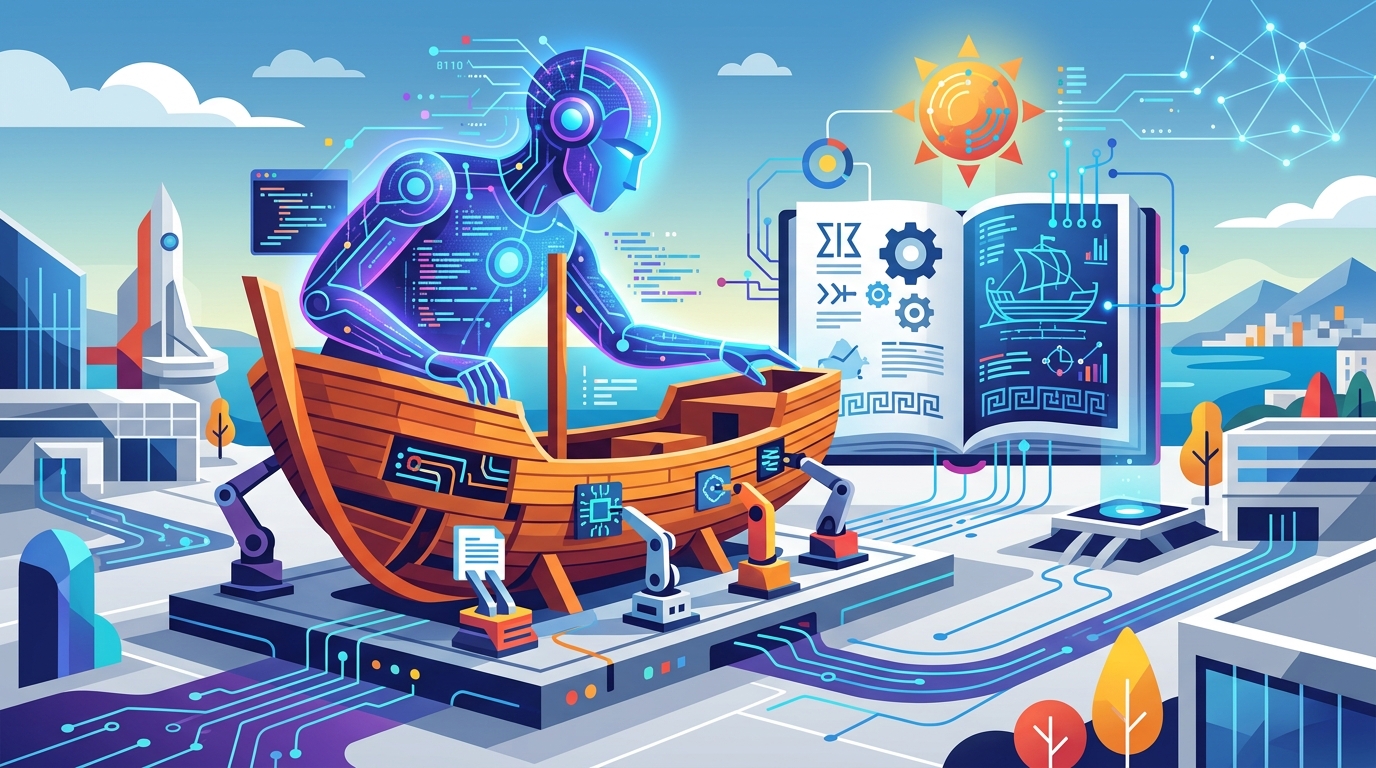
Building a ship is like navigating a labyrinth; one wrong turn in the supply chain and the project is lost. The new incentives for Greek shipbuilding focus heavily on 'Digital Twins.' I've seen these systems in action: a real-time virtual replica of the entire shipyard. By using Computer Vision to track steel plate movement and automated welding robots, the AI can predict bottlenecks before they happen. It’s not just automation; it’s orchestration. The AI acts as the master builder, ensuring that every rivet and weld is accounted for in the digital shadow before it’s executed in the physical world.
The Master’s Touch: Why Engineering Still Needs the Soul
However, we must be careful not to fly too close to the sun. While the AI can optimize a weld or a route, the 'seaworthiness' of a vessel still requires the pragmatic eye of a seasoned shipwright. I've tested several 'AI-first' design platforms, and while they are brilliant at efficiency, they often lack the contextual understanding of the Mediterranean's unique challenges—the sudden meltemi winds and the specific salinity of our waters. The most successful Greek yards are those using AI as a 'co-pilot' rather than a replacement. We are building a new Golden Age, not by discarding our history, but by augmenting it with the finest tools ever crafted.