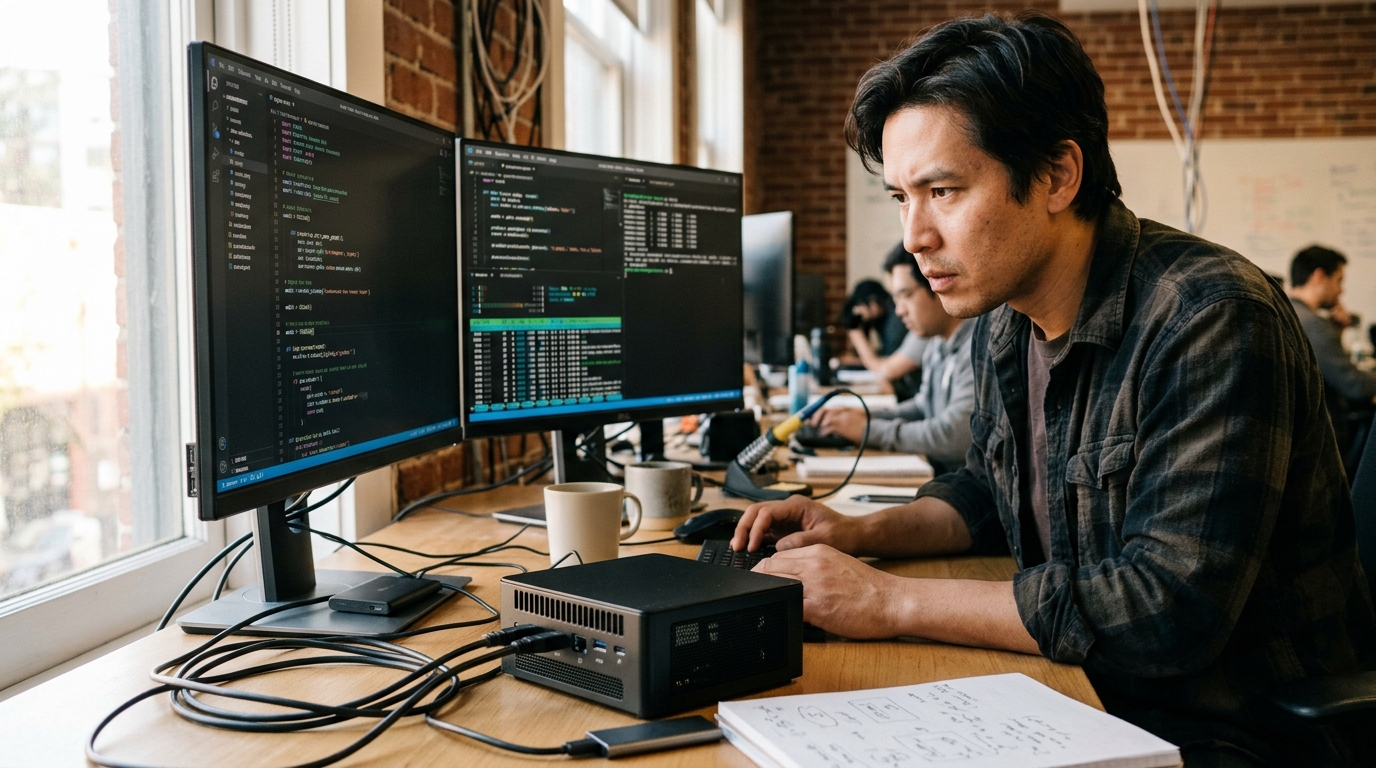
For decades, a computer's power was directly proportional to its physical footprint. The massive towers that occupied half a desk were the necessary price for anyone seeking high performance. However, 2026 marks a definitive shift: Mini PCs are no longer just "cute gadgets" for light web browsing, but the protagonists of a technological revolution fueled by Artificial Intelligence (AI).
The Rise of the NPU: The Heart of the Change
The primary reason consumers are flocking to Mini PCs is the emergence of Neural Processing Units (NPUs). Until recently, running AI models required massive Graphics Processing Units (GPUs) that consumed hundreds of watts. Today, new processors from Intel, AMD, and Apple integrate NPUs capable of performing trillions of operations per second (TOPS) with minimal power consumption.
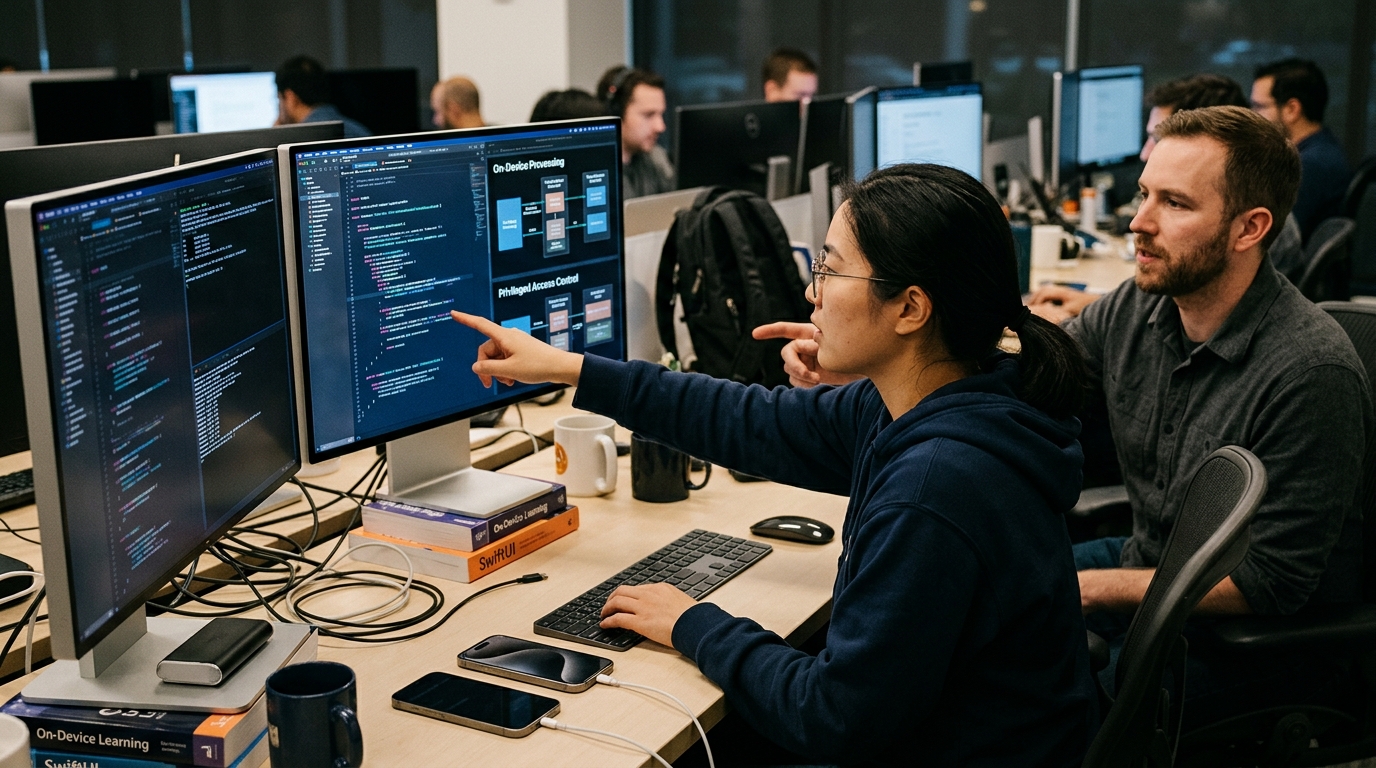
This allows Mini PCs to run Large Language Models (LLMs) and generative AI tools locally without relying solely on the cloud. For the professional, this means faster data processing, enhanced privacy, and, most importantly, the ability to use tools like Microsoft Copilot+ directly from their device without latency.
Energy Efficiency and the Home Office
In the current economic climate, where energy costs remain a critical factor—especially across Europe—the efficiency of Mini PCs is a major draw. A typical Mini PC consumes between 15W and 65W under full load, whereas a traditional tower can easily exceed 300W or 500W. With remote work now a permanent fixture of the professional landscape, users are looking for solutions that don't inflate their electricity bills while taking up minimal desk space.
Furthermore, the maturation of manufacturing technology has allowed companies like Beelink, Minisforum, and Geekom to offer systems with 32GB or 64GB of RAM and high-speed NVMe drives at prices that directly compete with laptops, while offering superior thermal management and better upgradeability.
"We are no longer just buying a computer; we are buying a local AI node that fits in the palm of our hand," market analysts suggest.
The End of Cloud-Only AI?
The trend toward "Edge AI"—processing intelligence at the edge of the network, on the user's device—is the primary engine of sales. As software companies integrate AI into every application, from photo editing to email composition, the need for computing power that does not depend on an internet connection becomes imperative. The Mini PCs of 2026 are designed precisely for this purpose: to be a personal assistant that operates instantly and securely.
This shift is particularly evident in the enterprise sector. Small and medium-sized businesses are modernizing their hardware without the overhead of large servers. Having a machine that can locally handle task automation while remaining silent and hidden behind a monitor is a productivity game-changer.
Conclusion: A New Era for Hardware
The success of Mini PCs is not a passing fad. It is the natural evolution of computing where miniaturization meets intelligence. As AI continues to evolve, the demand for specialized hardware will only grow, and Mini PCs seem to have found the sweet spot between power, cost, and utility. The era when a computer had to be a noisy "beast" under the desk is officially over.