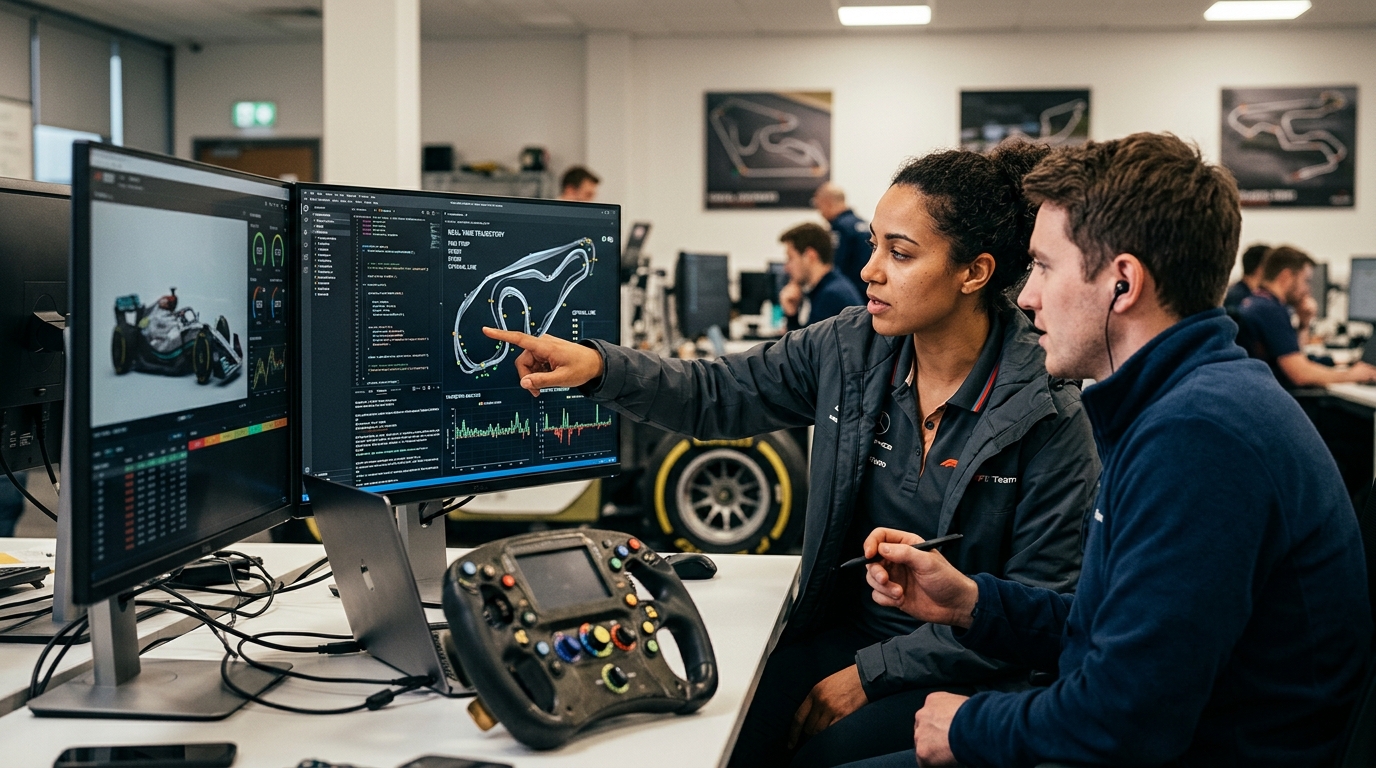
In an era where the global aviation industry is striving to recover and upgrade following the challenges of recent years, Vietnam Airlines, the national flag carrier of Vietnam, is taking a decisive step into the future. The company's announcement regarding the broad integration of Artificial Intelligence (AI) and Big Data into its operations is not merely a technological upgrade, but a fundamental shift in philosophy aimed at optimizing every aspect of flight operations.
The Strategy of the 'Smart' Flight
Vietnam Airlines is not limiting itself to superficial improvements. Its strategy focuses on using machine learning algorithms to optimize flight routes. By analyzing vast amounts of historical and real-time data—such as weather conditions, runway traffic, and fuel consumption—the AI system can suggest the most efficient paths. This translates into a significant reduction in operating costs and the company's environmental footprint, a major concern for global aviation today.
Furthermore, revenue management is moving to a new level. Traditional pricing methods are being replaced by dynamic models that predict demand with second-by-second accuracy, allowing the airline to offer competitive prices while maximizing aircraft occupancy.
Predictive Maintenance: Safety Through Data
Perhaps the most critical application of AI at Vietnam Airlines concerns predictive maintenance. Modern aircraft are equipped with thousands of sensors that generate terabytes of data on every flight. By using AI, the company can now identify signs of wear and tear in components before they fail.
- Reduction of unpredictable delays due to technical issues.
- Extension of the lifecycle of engines and critical systems.
- Optimization of spare parts inventory, reducing storage costs.
This approach not only increases the level of safety but also ensures the reliability of flight schedules, which is the primary selection criterion for the modern traveler.
Personalized Passenger Experience
The digital transformation reaches all the way to the aircraft cabin and the passenger's smartphone. Vietnam Airlines is investing in advanced AI-powered CRM (Customer Relationship Management) systems, offering personalized recommendations to travelers. From meal selection to suggestions for destinations and activities, technology allows the company to 'know' its customer before they even board.
"Technology is not the goal, but the means to offer a more human and seamless travel experience," company executives state.
Chatbots and virtual assistants, now operating with Natural Language Processing (NLP), can handle thousands of requests simultaneously—from ticket changes to baggage information—freeing up human personnel for more complex and emotionally demanding services.
Vietnam as a Tech Hub
This move by Vietnam Airlines is part of a broader national plan for Vietnam's digital transformation by 2025 and 2030. The country is emerging as a significant player in the Southeast Asian tech scene, and the national carrier serves as the 'showcase' for this progress. Collaboration with global tech giants and the training of local talent in data analysis are creating an innovation ecosystem that transcends the boundaries of aviation.
In conclusion, Vietnam Airlines is not just adopting AI because it is a current trend. It is using it as a strategic tool for survival and dominance in an extremely competitive market. The success of this venture will be judged by the company's ability to combine the cold logic of data with the warm hospitality that characterizes Vietnamese culture.