In the world of two wheels, innovation is often measured in incremental improvements to horsepower or aerodynamics. However, the Finnish company Verge Motorcycles has decided to dismantle the status quo with the introduction of the TS Ultra. This is a machine that seems to have leaped out of a science fiction film, combining a revolutionary hubless motor with a sophisticated artificial intelligence system that the company calls Starmatter. The arrival of the TS Ultra marks the transition from the era of pure mechanics to the era of Software-Defined Vehicles (SDV), where software is as critical as the metal itself.
The Engineering of the Future: The Hubless Motor
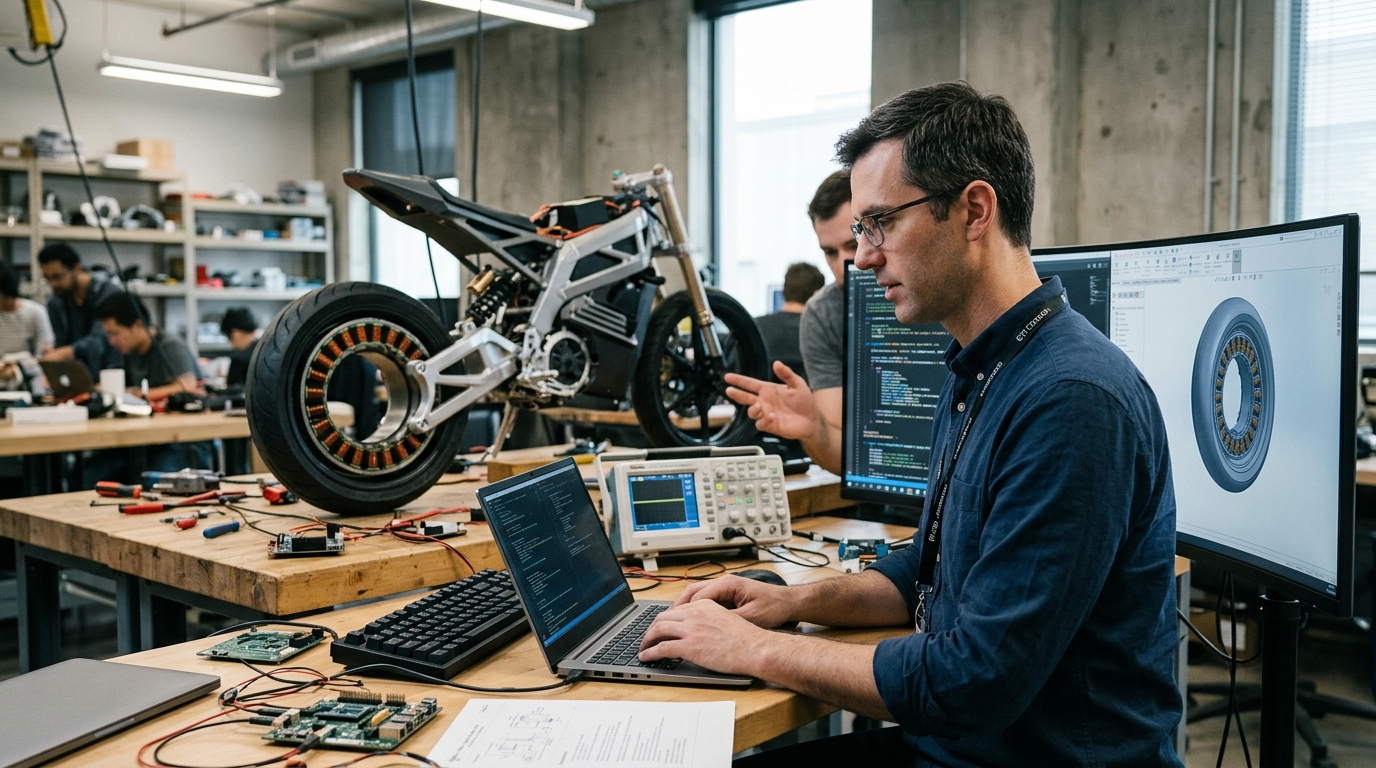
The first thing that captures the eye on the Verge TS Ultra is the rear wheel. Unlike any conventional motorcycle, there is no central hub, no gears, and no chain. The electric motor is integrated directly into the rim of the wheel. This choice is not merely aesthetic. By eliminating traditional transmission systems, Verge has managed to reduce friction and place the battery weight extremely low in the frame, dramatically improving the center of gravity and maneuverability.
The figures accompanying this design are otherworldly: 201 horsepower and an astronomical torque of 1200 Nm. To put this in perspective, this torque is several times higher than that of most supercars. Acceleration from 0-100 km/h is achieved in just 2.5 seconds, placing the TS Ultra at the pinnacle of the global performance hierarchy. However, managing such power requires more than just an experienced rider; it requires a digital "guardian angel."
Starmatter: AI as a Sixth Sense
This is where Verge differentiates itself from every other manufacturer. The Starmatter platform integrates an entire ecosystem of sensors, cameras, and radar that provide the rider with 360-degree coverage. Using advanced machine learning algorithms, the motorcycle "sees" its environment, warning of vehicles approaching from blind spots or imminent hazards on the road surface.
The Human-Machine Interface (HMI) has been completely redesigned. A large touchscreen on the "tank" and a supplementary display at the horizon level provide real-time information without distracting from the road. The most impressive element is the capacity for Over-The-Air (OTA) updates. Much like a smartphone or a Tesla, the TS Ultra can receive new features, improvements in battery management, or even upgrades to its safety systems while parked in the owner's garage. This dynamic nature of the product overturns the traditional concept of vehicle depreciation over time.
The Challenge of Electric Transition and the Market
Despite its technological superiority, the Verge TS Ultra must face the classic challenges of electromobility: charging infrastructure and price. With a cost reaching the levels of a luxury car, the TS Ultra targets a niche audience of early adopters and speed enthusiasts seeking the ultimate status symbol. However, its significance goes beyond sales figures.
Verge acts as a beacon for the European industry, proving that the Old Continent can lead in SDV innovation. The integration of AI is not just about speed, but about reducing accidents, which remains the biggest thorn for the motorcycling community. If Verge's technology can be democratized into more affordable models in the future, we might see a radical reduction in road fatalities. The TS Ultra does not just redefine performance; it redefines the very survival of the rider in the digital age.