In the ever-evolving landscape of technology, few platforms have managed to survive and thrive with the consistency of Pinterest. While competitors like Instagram and TikTok focus on entertainment and short-form video, Pinterest has carved out a distinct path: that of "visual discovery." Today, in 2026, this journey culminates with the integration of advanced Artificial Intelligence (AI) tools that transform the platform from a simple digital scrapbook into a high-octane shopping engine.
The Collage Revolution and Generative AI
The most significant shift we are witnessing on Pinterest is the introduction of "Collages," a feature powered by sophisticated machine learning and generative AI algorithms. Users are no longer limited to saving individual images. They can now "cut out" objects from different photos, combine them into new compositions, and create visual scenarios—ranging from the ideal living room to the perfect outfit for a specific occasion.
What makes Collages revolutionary is not just the creativity they unlock, but their commercial dimension. Every object within a collage is "shoppable." The AI identifies the product, links it to a merchant's catalog, and provides the user with immediate access to pricing and purchasing options. This seamless transition from inspiration to action is the "holy grail" of e-commerce.
Personalization: AI That Understands Your Taste
Pinterest utilizes what its engineers call the "Taste Graph." This is a network of billions of connections between users and interests. With the help of AI, the platform doesn't just suggest products based on keywords you've searched for; it suggests them based on your aesthetic identity. If the AI senses you prefer a "Scandi-industrial" decor style, your feed will be populated with suggestions that fit that exact aesthetic, even if you’ve never explicitly used those terms.
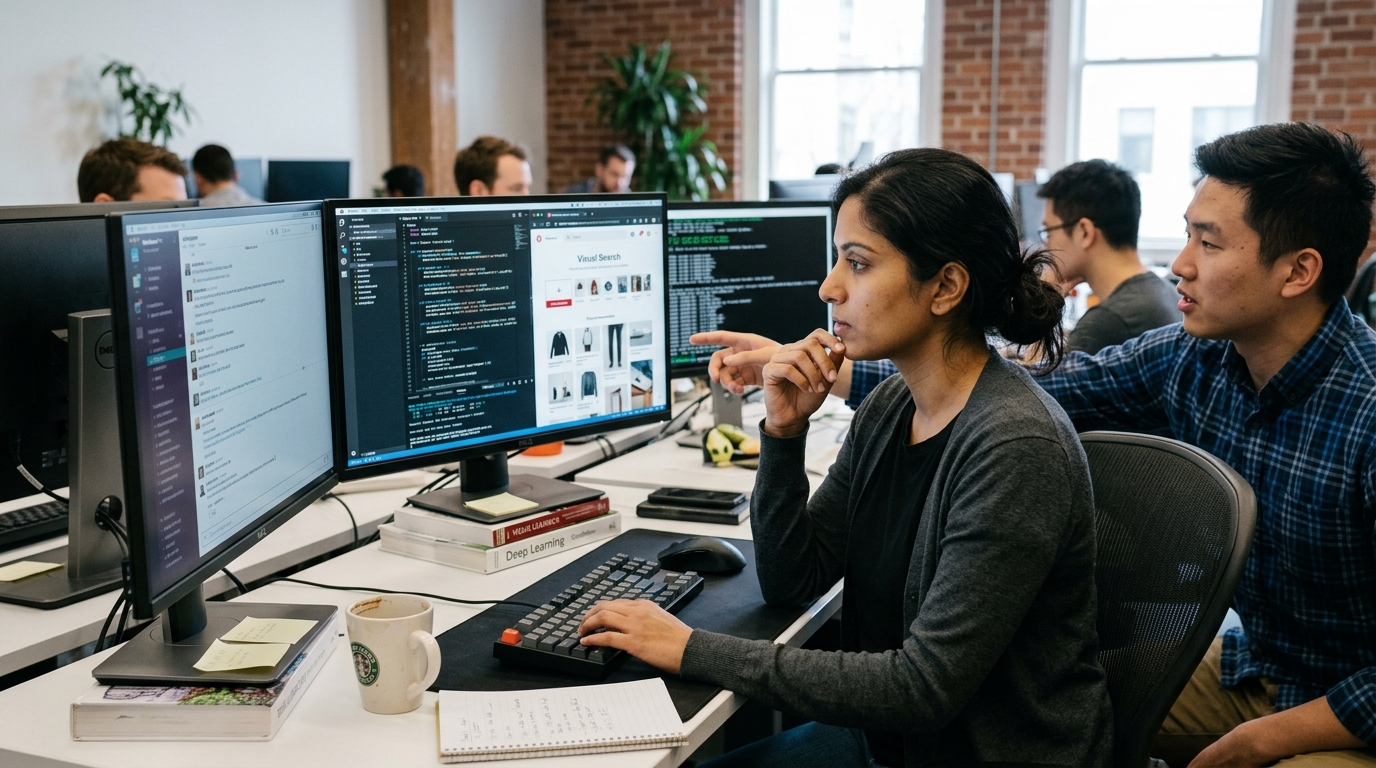
The use of Computer Vision algorithms allows Pinterest to "see" images much like humans do. It recognizes textures, colors, shapes, and stylistic nuances. This level of understanding enables the platform to offer a shopping experience that feels less like browsing a catalog and more like visiting a boutique curated exclusively for you.
Strategic Partnerships with the Giants
Pinterest's financial resurgence over the past two years is largely due to its strategic partnerships with Amazon and Google. By allowing these giants to display ads and products through its AI tools, Pinterest has managed to skyrocket its revenue without compromising its core user experience. The AI ensures that these advertisements aren't intrusive but are instead highly relevant to the content the user is already consuming.
Furthermore, the launch of "Pinterest Ad Labs" provides advertisers with the ability to use Generative AI to automatically create lifestyle backgrounds for their products, making them more appealing to users. For instance, a simple studio shot of a shoe can be automatically placed in a realistic street or nature setting, significantly increasing click-through and conversion rates.
The Future: From Social Media to Discovery Commerce
Pinterest is redefining itself not as a social network, but as a "Discovery Commerce" platform. Unlike Amazon, where users typically go when they already know what they want to buy, users come to Pinterest to discover what they *might* want. This stage of the consumer journey is incredibly valuable for brands.
By integrating AI, the platform is drastically reducing "friction" in the purchasing process. The ability to use a smartphone camera (Pinterest Lens) to search for real-world objects and find similar items for sale closes the gap between the physical and digital worlds. As technology evolves, Pinterest seems to be winning the bet on authenticity in a world saturated with noisy, ephemeral content.