In a move that many analysts have dubbed the "iPhone moment" for generative AI, OpenAI has announced the launch of its long-awaited "super app." This represents a radical upgrade to the ChatGPT ecosystem, evolving from a simple chat interface into a comprehensive operating environment that aims to replace dozens of productivity, creative, and organizational apps. The news, first reported by Reuters, comes as the rivalry with Anthropic, the firm behind Claude, reaches a fever pitch.
The Architecture of a New Era
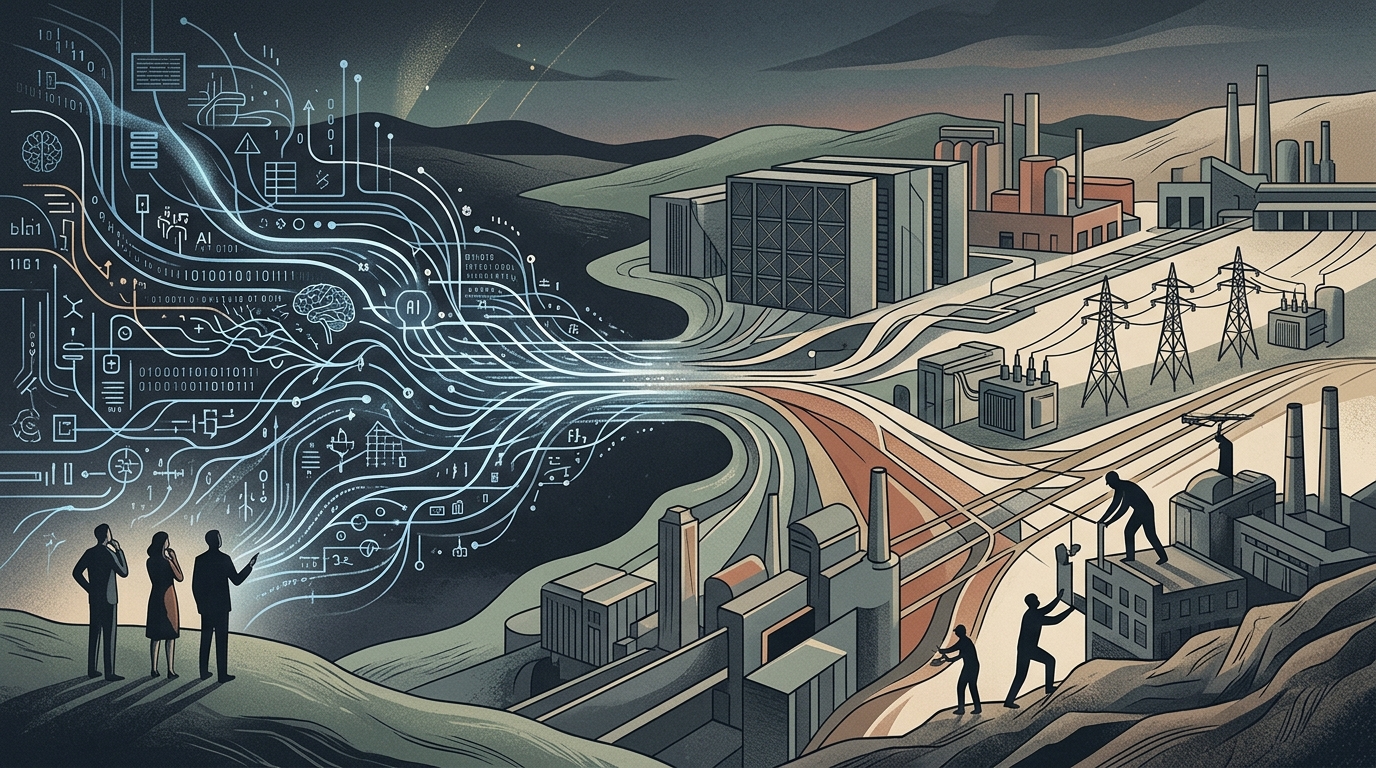
OpenAI's new Super App is more than just a cosmetic facelift. At its core lies the unification of all the company's advanced models—from GPT-5 (codenamed Orion) to the Sora video generation model and its music creation tools—under a single, intuitive interface. The application now features autonomous "agents" capable of executing complex tasks in real-time, such as travel planning, bank account management, and automated coding in collaboration with external tools.
OpenAI's strategy is clear: creating a "walled garden" that keeps the user within its ecosystem for every need. By integrating advanced memory and personalization features, the Super App learns user preferences, task history, and communication styles, offering an experience that far exceeds the boundaries of a traditional digital assistant.
The Anthropic Counter-Offensive and the "Claude Effect"
This move is widely seen as a direct response to the impressive rise of Anthropic. Over the past year, Anthropic has managed to capture significant market share, particularly among developers and enterprises, thanks to its focus on safety and the superior reasoning capabilities of the Claude 3.5 model. Anthropic's "Artifacts" feature, which allows users to view and edit code or documents alongside the chat, forced OpenAI to redesign its own approach.
According to industry sources, OpenAI felt the pressure to offer more than just "simple answers." The Super App introduces "Workspaces," allowing for dynamic real-time collaboration between humans and AI, strongly echoing the features that made Claude popular, but on a much larger scale and with deeper integration of multimodal elements.
From Chatbots to Autonomous Agents
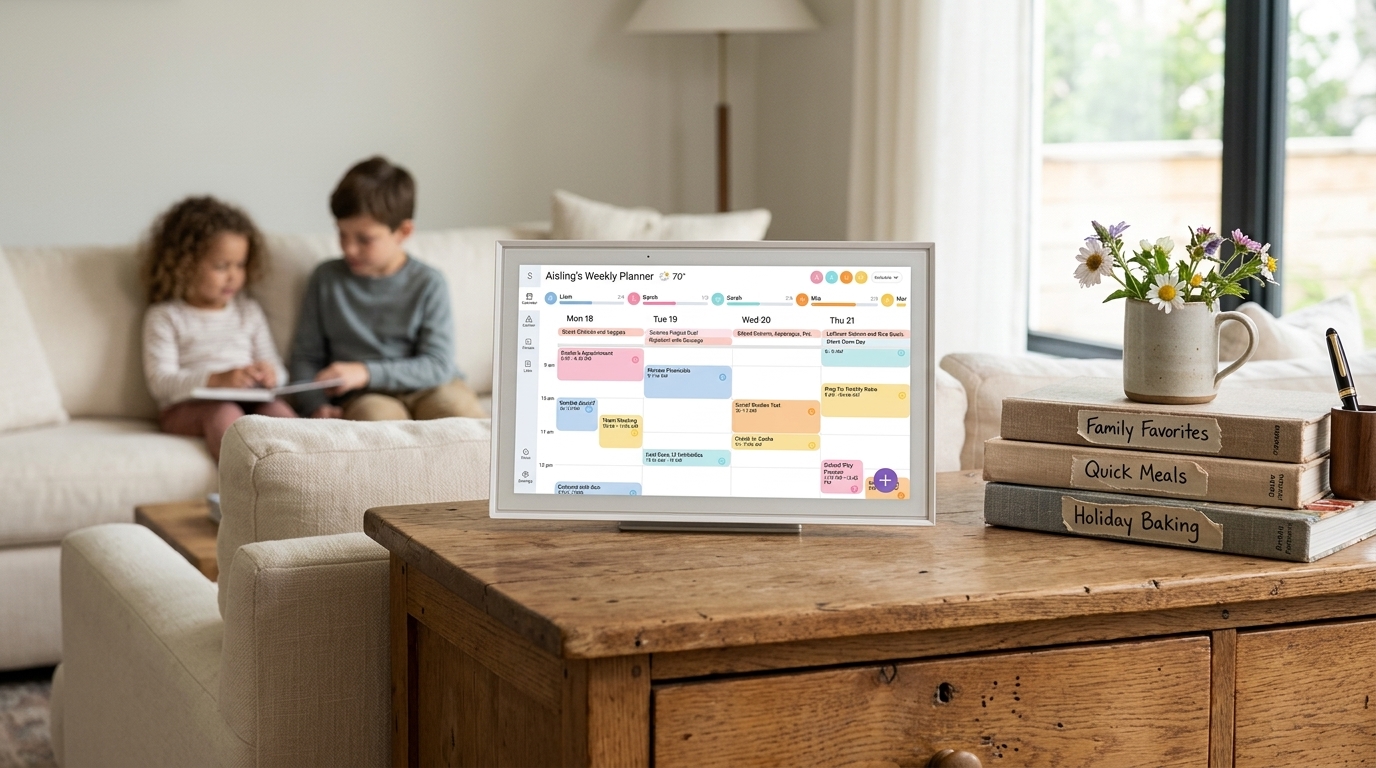
The most significant innovation of the Super App is the transition from reactive AI (responding to questions) to proactive AI (taking action). These new agents can navigate the web, use third-party applications, and complete multi-step processes without constant guidance. For instance, a user could ask the app to "organize a business dinner for five on Thursday, taking everyone's dietary restrictions into account and booking the Uber for transport."
- Automation of bureaucratic processes and email management.
- Real-time data synthesis from multiple sources.
- High-fidelity content creation (video, audio, text) within a single environment.
- Advanced security via end-to-end encryption for sensitive data.
However, this concentration of power raises serious questions regarding privacy and data sovereignty. As OpenAI becomes the sole intermediary between the user and the digital world, the risk of a monopoly at the information "gateway" is palpable.
Economic and Social Implications
The launch of the Super App is expected to send shockwaves through the SaaS (Software as a Service) market. Hundreds of specialized apps offering services like grammar checking, appointment scheduling, or basic data analysis may become obsolete. OpenAI is no longer just competing with Anthropic or Google; it is competing with the entire productivity software ecosystem.
"We aren't just seeing a new app; we are seeing the reshaping of our relationship with computers. The Super App is the interface that will eliminate menus and icons, replacing them with natural language," says a leading Silicon Valley analyst.
In Europe, the app will come under intense scrutiny from regulators due to the AI Act. The app's ability to make decisions on behalf of the user and the management of vast amounts of personal data require a level of transparency that OpenAI must now prove. The battle for AI supremacy has entered a new, far more complex level, where the stakes are no longer about who has the best model, but who controls the user's daily life.