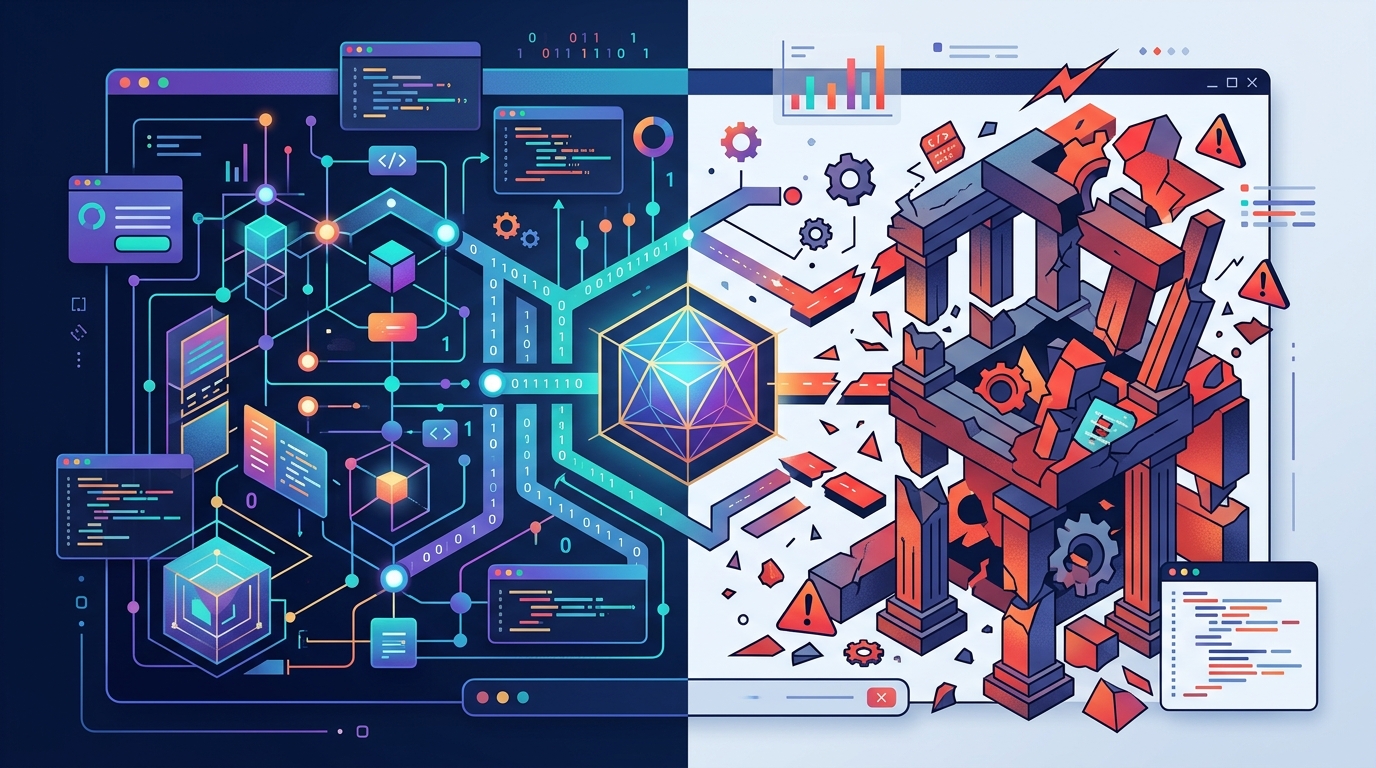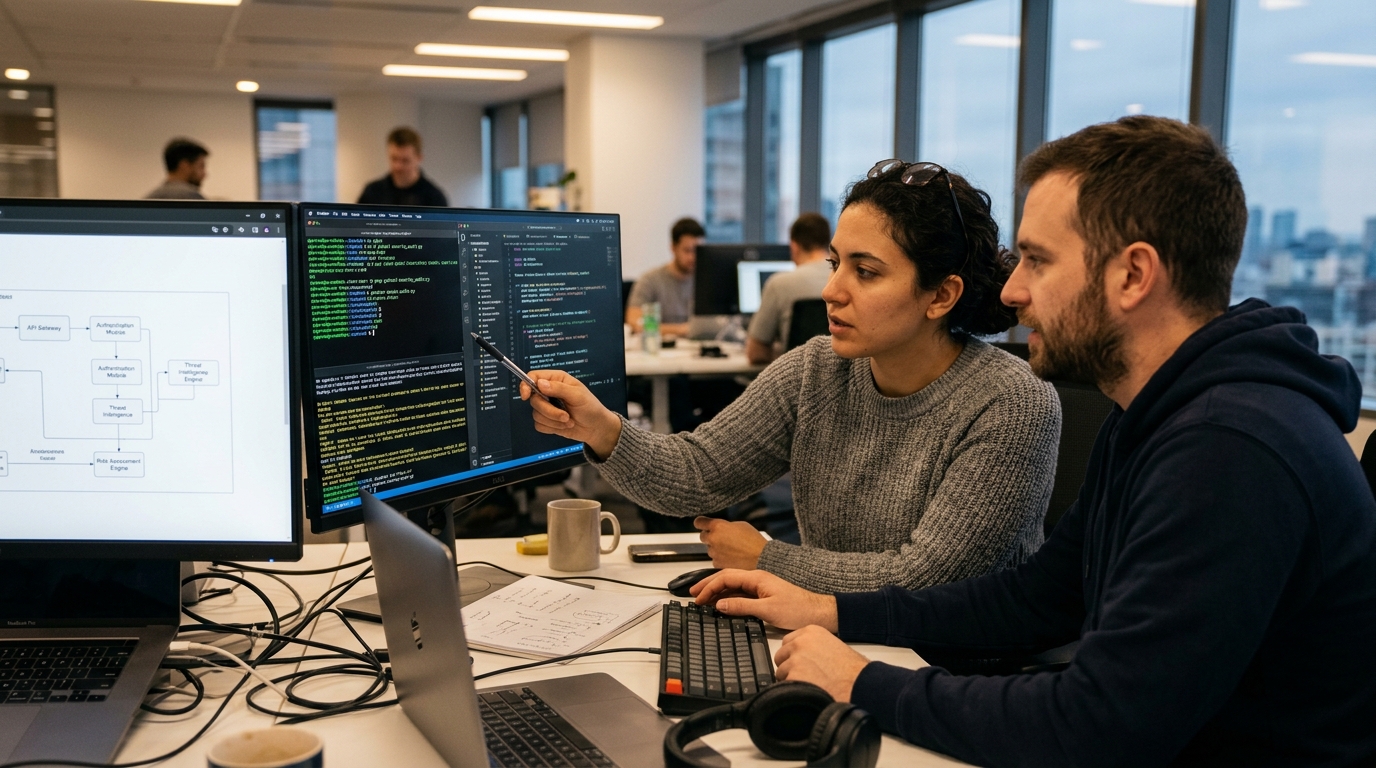
In a move that reshapes the map of European digital sovereignty, Mistral AI, the spearhead of French artificial intelligence, has announced the development of a new suite of cybersecurity tools. This initiative specifically targets banks and financial institutions that have been excluded from or choose to distance themselves from the "Mythos" ecosystem — the dominant but often restrictive infrastructure controlled by Silicon Valley's tech giants.
The Need for Digital Autonomy in Finance
For decades, the global banking system has relied on a handful of cloud and software providers. However, the advent of Generative AI and increasing geopolitical instability have made this dependence precarious. "Mythos," the closed ecosystem combining massive compute power with advanced AI models, has imposed strict terms of access, leaving many European banks in a state of vulnerable dependency.
Mistral AI, led by Arthur Mensch, recognized this market gap. Banks don't just need a chatbot; they need a fortress. Mistral's new proposition focuses on on-premise deployment, allowing institutions to train and operate AI models without their data ever leaving their controlled environment. This is critical for compliance with the EU's Digital Operational Resilience Act (DORA), which requires banks to demonstrate their resilience against cyberattacks.
AI Tools as Digital Sentinels
Mistral's new tools are not limited to simple virus detection. They utilize advanced Large Language Models (LLMs) to analyze anomalies in real-time within banking networks. Specifically:
- Real-Time Fraud Detection: Analyzing millions of transactions per second to identify patterns that escape traditional rule-based systems.
- Automated Compliance (RegTech): Mistral's models can "read" ever-changing regulatory mandates and automatically adjust the bank's internal protocols.
- Attack Simulation (Red Teaming): The AI assumes the role of an "ethical hacker," constantly probing the bank's systems to identify vulnerabilities before malicious actors find them.
"Security is no longer an add-on feature; it is the infrastructure itself. At Mistral, we believe European banks deserve technology that respects privacy and national sovereignty," said a source close to the company.
The Geopolitical Dimension of 'Mythos'
The use of the term "Mythos" in the PYMNTS report suggests a deeper rift. Mythos is not just a product, but a philosophy of data centralization. Banks "cut off" from it often find themselves at a competitive disadvantage. Mistral offers an alternative path, a "third way" between American commercial control and Chinese state intervention. This aligns perfectly with Emmanuel Macron's vision of a "Tech Europe" that is not a mere consumer, but a creator.
Challenges and the Road Ahead
Despite the optimism, Mistral faces enormous challenges. The computational power required for bank-scale cybersecurity is colossal. The company must prove its models are as robust as those from OpenAI or Google, but at a fraction of the cost and energy consumption. The stakes are high: if Mistral succeeds in fortifying the European banking system, it will have established itself as the national champion of a new era.