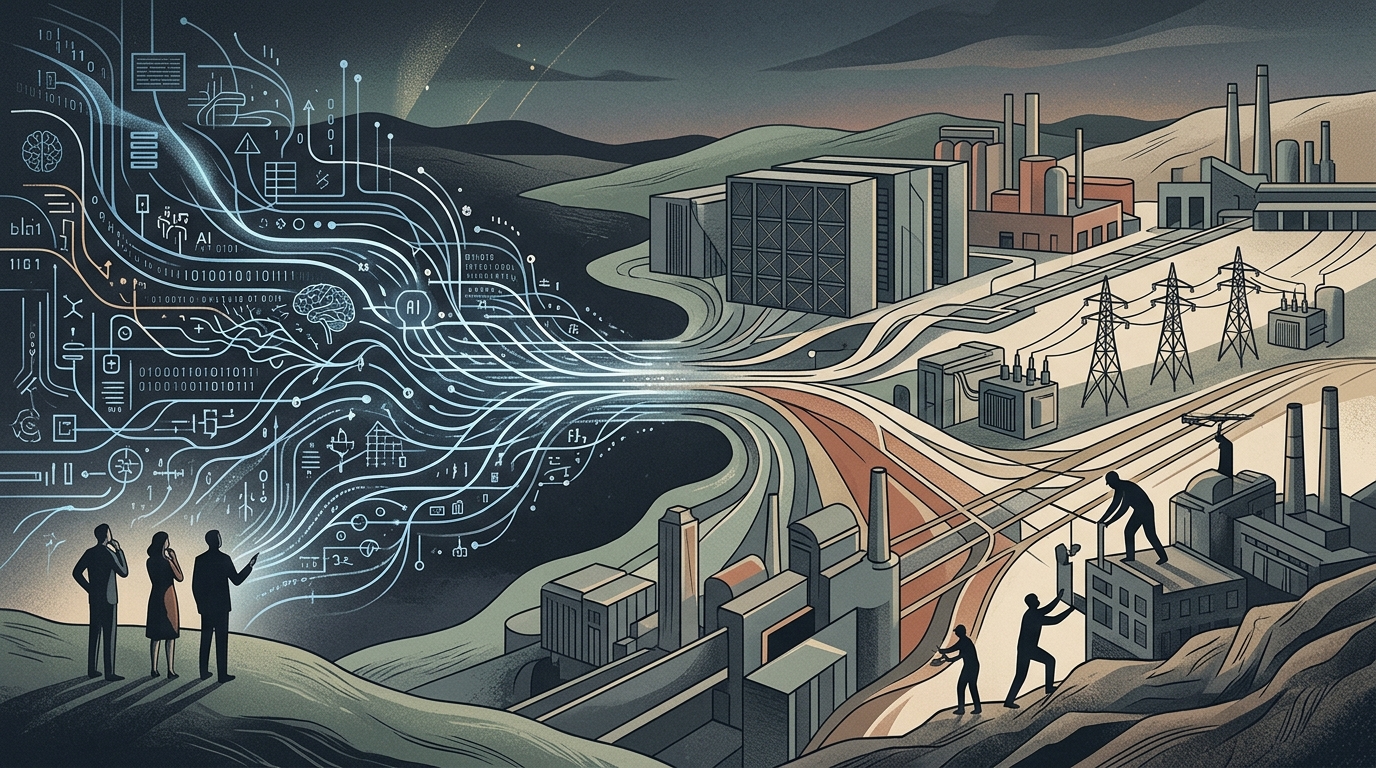
In the contemporary digital landscape, security is no longer a static condition but a dynamic process of continuous vigilance. Microsoft, the technological titan underpinning the majority of the world's computing systems, has announced a radical shift in strategy: the full integration of Artificial Intelligence (AI) into the core of Windows development. The goal is not merely to fix bugs, but to predict and neutralize vulnerabilities before they are even perceived by malicious actors.
The Transition from Reactive to Predictive Defense
For decades, cybersecurity relied on a 'reactive' model. A hacker would discover a 'zero-day' vulnerability, exploit it, and subsequently, the company would scramble to issue a corrective patch. This cat-and-mouse game has cost the global economy billions of dollars. Today, with the advent of Large Language Models (LLMs) and specialized machine learning, Microsoft is changing the rules of the engagement.
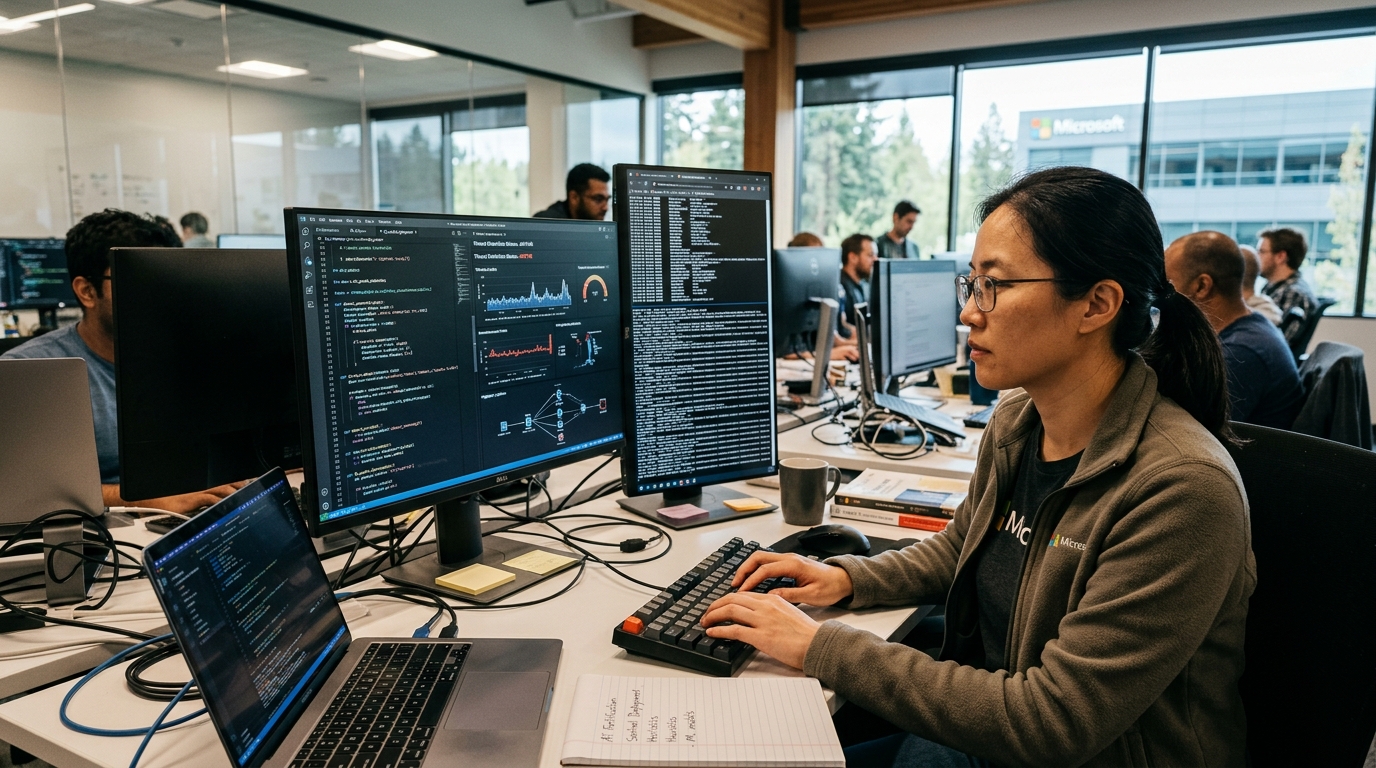
By utilizing AI-driven tools, the company's engineers can now scan billions of lines of code in seconds. These systems do not just look for known error patterns; they employ 'semantic analysis' to understand how different Windows functions interact, identifying theoretical security gaps that would be impossible for the human eye to detect.
Automated Red-Teaming and Digital Simulations
One of the most striking aspects of this new approach is 'Automated Red-Teaming.' Traditionally, Red Teams consist of security experts who attempt to 'hack' their own systems. Microsoft has now developed AI agents that function as relentless, virtual intruders. These agents test millions of attack combinations daily, pushing the limits of the Windows kernel and Azure cloud services.
This process allows the company to 'train' its operating system to recognize hacker methodologies in real-time. When the AI identifies a potential attack vector, it automatically generates a report for developers, even suggesting the optimal way to harden the code. This is a symbiotic relationship between human and machine that elevates the level of protection for the end-user.
The Secure Future Initiative (SFI)
This move is part of Microsoft's broader 'Secure Future Initiative' (SFI), launched in response to increasing pressure from governments and regulatory bodies following significant past breaches. The company has made it clear that security is now the 'number one priority,' even superseding the addition of new features to Windows.
However, the use of AI in cybersecurity is not without its challenges. There is always the risk that the AI algorithms themselves could be used by cybercriminals to create more sophisticated malware. Microsoft, therefore, is not just defending against humans, but also against 'hostile' AIs, creating a battlefield where processing speed determines the victor.
Conclusion: A New Era of Trust?
The success of this endeavor will be judged by its results. If Microsoft manages to drastically reduce the number of critical vulnerabilities that reach production, it will set a new standard for the entire software industry. For the average user, this means a more stable and secure working environment, where threats are neutralized in the background, long before they can cause damage. Artificial Intelligence, once a productivity tool, is evolving into the ultimate guarantor of our digital integrity.