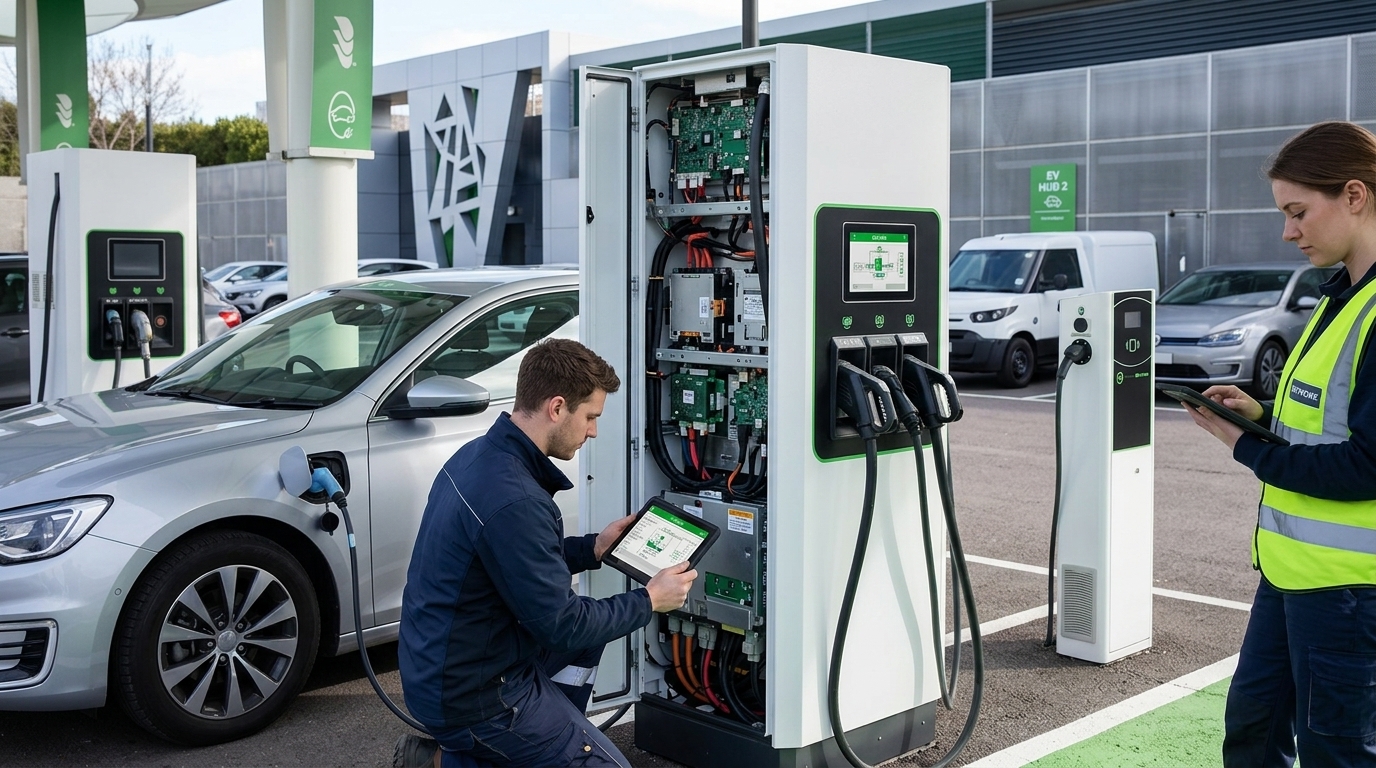
The transition to electric mobility is no longer a future promise but a present reality reshaping the urban landscape. However, as our roads fill with electric vehicles (EVs), a critical vulnerability is coming to light: the fragility of the charging infrastructure. Charging stations, often installed in remote or unmonitored areas, have become targets for physical vandalism, cable theft, and, most alarmingly, sophisticated energy theft. A new study by researchers in Spain proposes a revolutionary solution: deploying AI agents to autonomously protect these vital nodes.
The Achilles' Heel of the Green Revolution
The EV charging network is essentially a massive Internet of Things (IoT) network connected directly to the national electrical grid. This interconnectivity makes it an attractive target for cyberattacks and fraud. Researchers point out that traditional security, relying on cameras and manual inspections, is insufficient to handle the scale of the thousands of stations required. Energy theft, in particular—through meter tampering or illegal grid connections—not only deprives providers of revenue but can also cause instability across the entire power distribution network.
The Spanish research team, analyzing vulnerabilities in the Open Charge Point Protocol (OCPP), found that attackers could exploit gaps in the communication between the vehicle and the charger. This is where artificial intelligence steps in. Instead of a static set of rules, they propose a Multi-Agent System (MAS), where each agent is responsible for a specific aspect of the station's security, simultaneously communicating with others to create a holistic defense.
AI Agents: Autonomous Guardians in Action
The proposed architecture relies on the ability of AI agents to learn and adapt. An agent can monitor voltage and current fluctuations in real-time. Using machine learning models, the agent can distinguish between a normal voltage drop due to high demand and an anomaly indicating illegal tampering. When suspicious activity is detected, the agent can take immediate action, such as cutting the power supply or alerting authorities, before damage escalates.
- Anomaly Detection: Using algorithms to identify deviations from standard consumption patterns.
- Data Protection: Ensuring that users' billing information is not intercepted during transactions.
- Predictive Maintenance: Forecasting potential failures due to wear or sabotage attempts.
What makes this approach unique is its decentralized nature. Unlike centralized control systems that can collapse if their data center is attacked, AI agents operate locally (edge computing). This means that even if a station goes offline, its internal AI agent continues to protect its infrastructure, making the system highly resilient to coordinated attacks.
The Socio-Economic Dimension and the Future
The security of EV chargers is not just a technical issue; it is a matter of consumer trust. If drivers fear their data will be stolen or that stations will be out of service due to vandalism, EV adoption will slow down. Furthermore, the cost of energy theft is ultimately passed on to law-abiding users through increased tariffs. Implementing AI agents can drastically reduce these operational costs, making green energy more affordable.
Looking ahead, researchers envision a fully automated infrastructure where charging stations are part of a "smart grid." In this scenario, AI agents will not only protect chargers but also negotiate energy prices in real-time, balancing grid load and promoting the use of renewable energy sources. The Spanish study represents the first critical step toward a secure, self-regulating, and resilient energy infrastructure that will support the next generations of mobility.