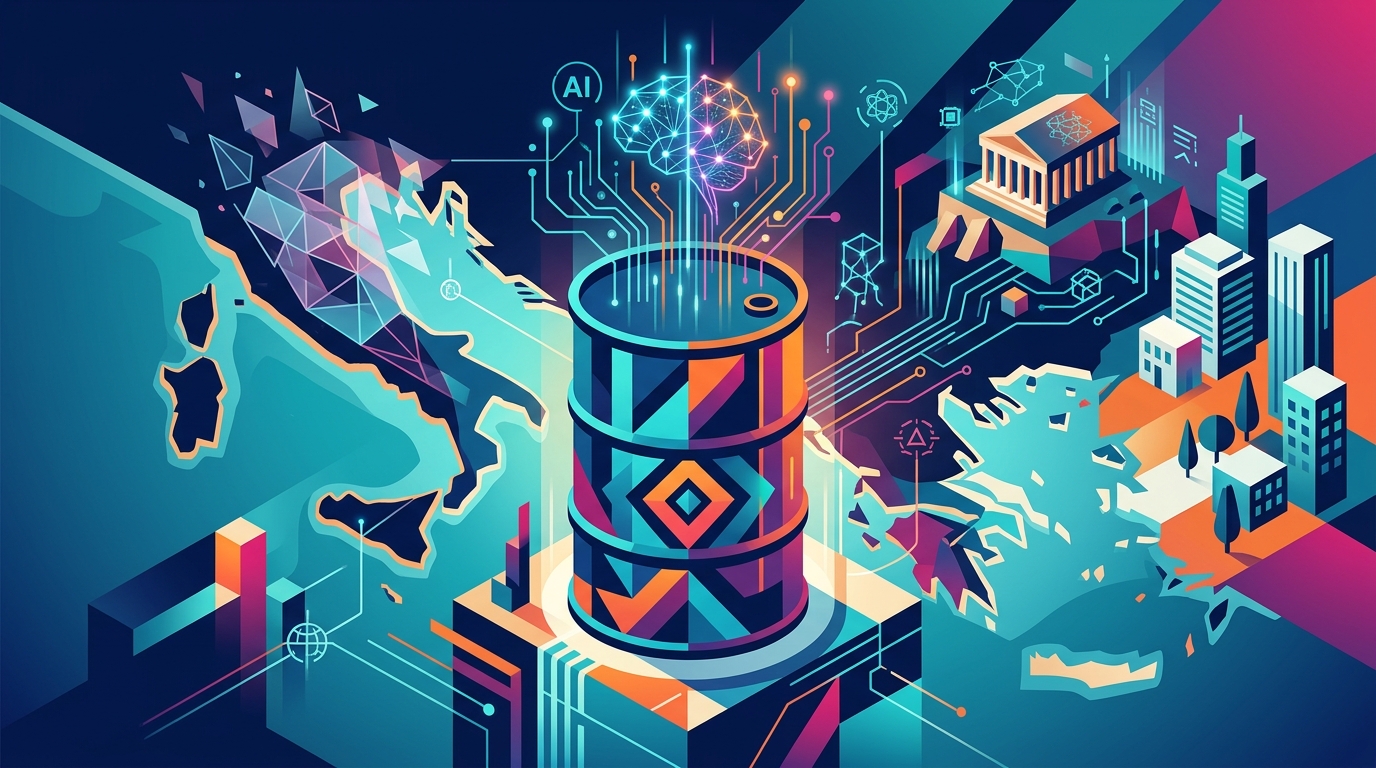
The perception of Greece on the global technological map has undergone a radical transformation over the past five years. From a country struggling with bureaucratic inertia and brain drain, it is now emerging as a dynamic player in the digital economy of Southern Europe. In a revealing interview on One Channel's Business Monitor, Charles Calestroupat, President of Microsoft South Europe, outlined the framework of this shift, emphasizing that Greece is no longer just a follower of trends, but a nation with the potential to lead the AI-driven transformation.
Strategic Investment and the Data Ecosystem
The cornerstone of this optimism remains Microsoft's major investment in creating a cluster of three data centers in Attica, a project part of the "GR for GRowth" initiative. According to Mr. Calestroupat, this infrastructure is not merely a technical project but a catalyst for the entire ecosystem. The presence of local cloud infrastructure reduces latency, enhances data security, and allows both public and private entities to adopt AI solutions with unprecedented speed.
Calestroupat highlighted that Greece possesses a rare blend of advantages: a strategic geographic location connecting three continents, a stable regulatory framework within the European Union, and, most importantly, a highly skilled human capital. "The ability of Greek engineers and scientists to adapt to new technologies is impressive," he noted, adding that the country can function as a bridge for transferring expertise to the wider Balkans and Eastern Mediterranean region.
From Digitization to Intelligence
While the previous decade was about digitizing paper-based processes, the current decade is about "intelligent automation." Artificial Intelligence is no longer a futuristic promise but a tool for daily productivity. Microsoft South Europe's President explained that Greek businesses, from SMEs to large conglomerates, have begun to realize that AI can unlock value in sectors such as shipping, tourism, and energy.
- Shipping: Route optimization and emission reduction through predictive analytics.
- Tourism: Personalized visitor experiences and smart resource management.
- Public Sector: Faster citizen service and transparency in decision-making.
Mr. Calestroupat also touched upon the role of Copilot and other generative AI tools, which allow employees to break free from repetitive tasks and focus on creativity and strategic thinking. This shift is critical for increasing the competitiveness of the Greek economy on an international level.
Challenges and the Future of the Ecosystem
Despite the optimism, the path is not without obstacles. The need for continuous reskilling of the workforce is imperative. Microsoft has already committed to training 100,000 Greeks in digital skills, but the scale of the challenge requires broader collaborations between the state, academia, and the private sector.
"Artificial Intelligence is the great equalizer. It enables smaller economies like Greece to compete on equal terms with giants, provided they move quickly and with a strategic plan," Calestroupat stated.
In conclusion, Charles Calestroupat's remarks confirm that Greece is at a turning point. Microsoft's investment is not the end of the road but the starting point for a new national ambition: for the country to become the digital headquarters of Southeast Europe. With AI as the primary driver, Greece has a historic opportunity to redefine its role in the global division of labor and innovation.