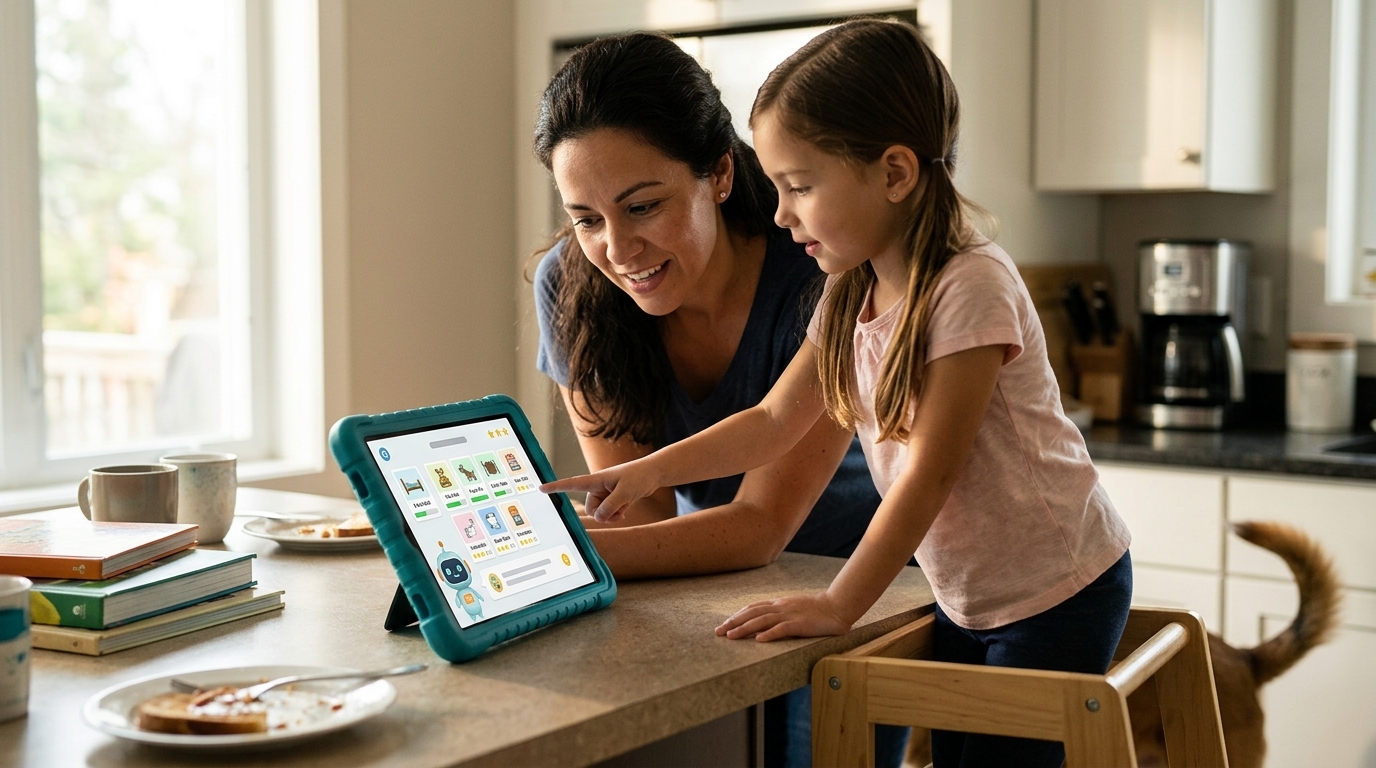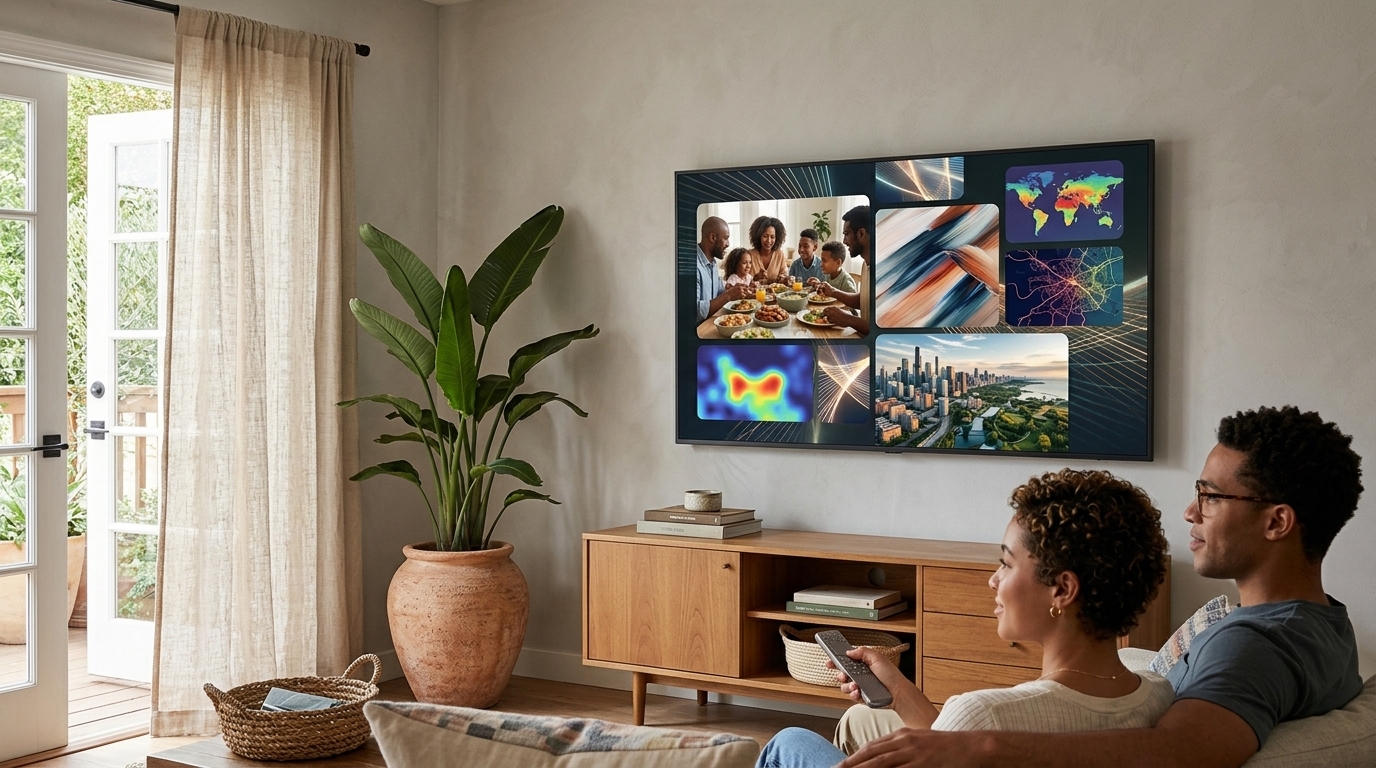
The television in our living room is no longer just a passive display for broadcasting content. With the latest update to Google TV, Alphabet is attempting to transform the largest screen in the home into an interactive canvas of creativity and a hub for social media integration. This move isn't just about adding new features; it signals a fundamental shift in how we perceive the "TV experience" in the age of Artificial Intelligence (AI).
Generative AI as Interior Design
One of the most striking additions is the ability to create personalized AI-generated art for screensavers. By utilizing generative AI models, users can now provide voice or text prompts and watch their TV generate unique artworks in real-time. Whether it’s a "surreal landscape with crystal mountains" or a "cyberpunk Athens setting," Google TV uses Gemini’s power to transform the physical space.
This feature is more than just a technical gimmick. It represents the democratization of digital art, allowing individuals without formal artistic skills to shape their home’s aesthetic. Furthermore, Google is strengthening the link with Google Photos, enabling users to showcase memories in more dynamic ways, effectively turning the TV into a massive, intelligent photo frame that curates moments based on the user's history.
The Invasion of Short-form Video on the Big Screen
Perhaps the most controversial yet strategically significant addition is the new row dedicated to short-form video, primarily through YouTube Shorts. Until recently, the TV was considered the "fortress" of long-form content—movies, series, and live sports. However, the explosive rise of TikTok and Shorts has fundamentally altered consumption habits, particularly among younger demographics.
Google TV is now bringing this "fast-scrolling" experience to the living room. This raises questions about the nature of home entertainment: Will the TV remain a medium for relaxation and focus, or will it evolve into a giant version of our smartphones, feeding the need for constant, short bursts of dopamine? This integration shows that Google recognizes that user attention is fragmented and is attempting to keep it within its ecosystem, regardless of the video's duration.
Smart Home Integration and the Rise of FAST Channels
Beyond creativity and social media, Google TV is reinforcing its role as the control center for the smart home. The new "Home panel" allows users to control lights, security cameras, and thermostats directly from the TV without interrupting their viewing experience. This integration makes the TV the de facto operating system of the household.
Concurrently, Google is expanding its offering of free channels (FAST channels - Free Ad-supported Streaming TV). In an era where subscription costs for Netflix, Disney+, and Prime Video are steadily rising, providing hundreds of free, ad-supported channels is a powerful response to "subscription fatigue." The strategy here is clear: Google wants to control the gateway to content, generating revenue from ads and user data rather than relying solely on monthly fees.
Analysis: The Future of the Living Room Interface
The new era of Google TV promises a more personal and interactive experience. However, the increasing use of AI and data collection for content personalization brings privacy concerns to the forefront. As our TVs "listen" to our prompts for art creation and monitor our preferences in Shorts, the volume of information gathered by Alphabet is unprecedented.
The challenge for Google will be to balance innovation with respect for the user's private space. By turning the TV into a generative tool and a social feed, they are betting that the future of the living room is not just about watching, but about interacting and creating. Whether users want their peaceful living room turned into another algorithm-driven feed remains to be seen, but the technological foundation for that shift is now firmly in place.