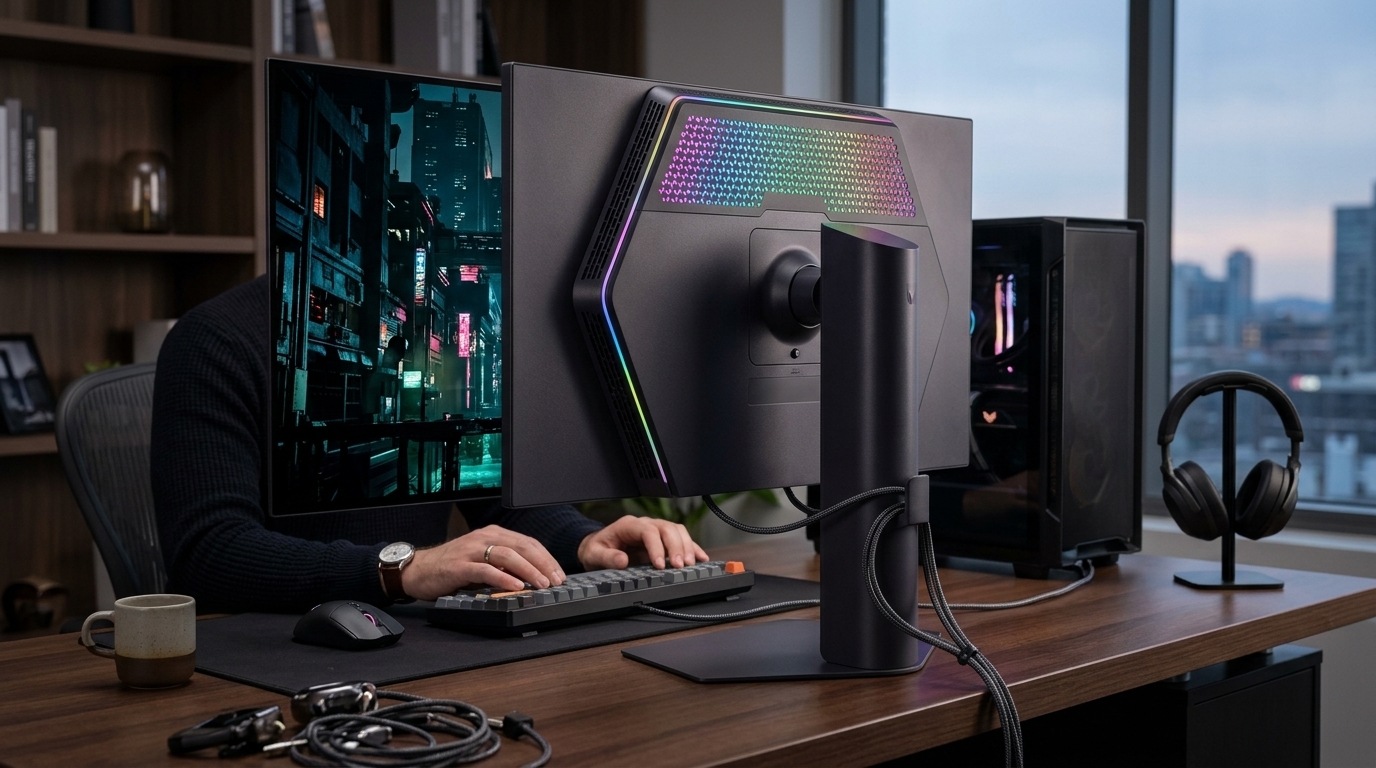
When Flipper Devices released the Flipper Zero, it sent shockwaves through the cybersecurity and hardware enthusiast communities. It was a tool that made 'hacking' accessible, playful, and, for many regulatory bodies, dangerous. Today, the company is making a 180-degree turn—at least in terms of target audience—by introducing the Busy Bar. This physical 'productivity multitool' is set to launch on July 14, 2026, promising to bring the company’s cyberpunk aesthetic and open-source philosophy from the streets directly to our desks.
The Philosophy Behind the Busy Bar
The Busy Bar is not just a digital clock or a notification gadget. It was designed as a physical extension of our digital state. In a world where remote work and open-plan offices dominate, the biggest challenge isn't a lack of tools, but a lack of boundaries. The Busy Bar aims to solve exactly this: the visualization of a worker's availability and focus.
Featuring a bright LED display and mechanical switches reminiscent of high-end keyboards, the device allows users to set their status (Busy, Available, In a Meeting) in a way that is impossible to ignore. But the magic of Flipper Devices always lies under the hood. Like its predecessor, the Busy Bar is fully customizable and open-source, allowing users to write their own scripts and connect it to apps like Slack, Google Calendar, or even smart home systems.
Technical Specifications and Capabilities
The device features a long, high-contrast LED display capable of showing text, animations, and icons. Wi-Fi and Bluetooth connectivity ensure that the Busy Bar can sync in real-time with digital work platforms. One of the most intriguing features is the built-in Pomodoro timer, which uses visual cues to guide the user through deep focus periods and breaks.
- API Integration: Ability to automatically change status based on your calendar.
- Mechanical Switches: Tactile feel for changing modes, offering a satisfying physical experience.
- Open Ecosystem: Support for custom plugins developed by the community.
- Retro-Future Aesthetic: The design evokes 80s lab equipment, updated for 2026.
The choice of an LED display over e-paper (which many expected) seems to have been made for visibility reasons. The Busy Bar needs to 'shout' your status from across the room, something a non-backlit e-ink screen couldn't achieve with the same intensity.
The Strategic Shift of Flipper Devices
Why would a company known for 'hacking' the digital world move into productivity? The answer lies in the pressure Flipper Zero faced from governments (such as Canada and Brazil) and e-commerce platforms. With the Busy Bar, the company enters a 'legitimate' and highly profitable market: productivity tools, which are expected to skyrocket in the coming years as AI increases the pace of our work.
"Productivity isn't a software issue, it's an environmental one. The Busy Bar is the firewall between you and the distractions of the physical world," says the design team.
However, Flipper’s heart remains 'hacker.' The Busy Bar is not locked down. If someone wants to turn it into a stock market ticker, a social media follower counter, or even a tool for monitoring server temperatures, they can. This flexibility is what sets it apart from 'closed' products by Logitech or Elgato.
Conclusion: Tool or Toy?
The Busy Bar sits on a fine line. For the average office worker, it might seem like an expensive accessory. For the power user, the programmer, and the content creator, it is a canvas for automation. Its success will depend on whether the community embraces the new hardware with the same enthusiasm they showed for the Flipper Zero. One thing is certain: on July 14, our desks will gain a new, colorful guardian.