In the high-stakes world of cryptocurrency, the adage "not your keys, not your coins" has long served as a grim reminder for thousands of investors who find themselves locked out of vast fortunes. However, a recent breakthrough involving the recovery of a Bitcoin wallet worth $400,000, which had remained dormant and inaccessible for 11 years, is shifting the narrative. The hero of this digital rescue mission? Anthropic’s AI, Claude.
A Decade of Digital Exile
The story traces back to 2013, an era when Bitcoin was still largely a playground for cypherpunks and tech enthusiasts, with its value measured in mere double digits. The owner of the wallet, who has chosen to remain anonymous, had secured their assets with a password that eventually faded from memory. For over a decade, this digital treasure chest sat untouched on the blockchain, mocking its owner through every bull run and market peak.
The challenge was multifaceted. It wasn't just about a forgotten password; the wallet used legacy encryption protocols that struggled to interface with modern hardware and software. Traditional recovery attempts, including standard brute-force scripts and specialized data recovery services, had all reached a dead end. The recovery required a nuanced understanding of 2013-era coding structures combined with modern computational efficiency.
Claude: The AI Locksmith
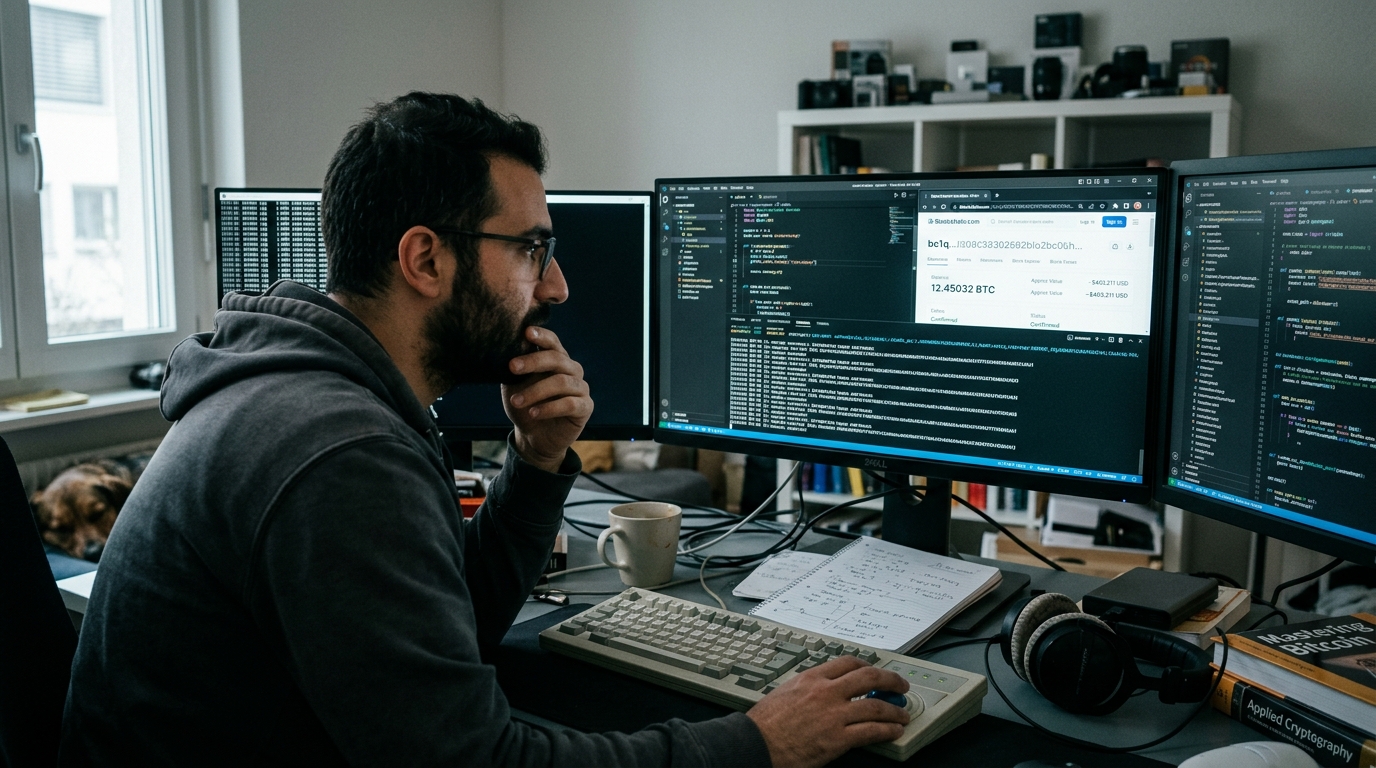
The breakthrough occurred when the owner turned to Claude, utilizing the AI model not as a simple chatbot, but as a sophisticated co-programmer. By providing the AI with fragments of the corrupted wallet file and a list of password patterns the owner vaguely recalled, a collaborative effort began to unfold.
- Claude analyzed the underlying structure of the legacy 'wallet.dat' file to identify potential entry points.
- It generated highly optimized Python scripts designed to cycle through permutations of the owner's remembered password fragments.
- The AI suggested specific cryptographic libraries that could handle the older encryption without triggering errors.
- Through iterative testing, Claude helped refine the recovery logic, significantly narrowing down the search space.
This case study highlights a pivotal shift in how we perceive Large Language Models (LLMs). They are evolving from creative writers into "reasoning engines" capable of navigating complex technical debt and extracting functional solutions from chaotic data sets. Claude didn't just guess the password; it architected the tools necessary to find it.
Security Implications in the AI Era
While the crypto community celebrates this recovery, cybersecurity experts are raising critical questions. If an AI can assist a legitimate owner in regaining access to a decade-old encrypted file, what stops a malicious actor from leveraging the same intelligence to breach private wallets?
"We are reaching a tipping point where AI democratizes access to sophisticated hacking tools," notes a leading cybersecurity analyst. "The distinction between a 'digital locksmith' and a 'digital burglar' is now purely defined by the user's intent, as the technical barrier to entry continues to fall."
The success of this recovery underscores the urgent need for investors to migrate toward more robust security measures. Multi-signature wallets, hardware cold storage, and quantum-resistant encryption are no longer luxuries; they are necessities in a world where AI can systematically dismantle older security paradigms.
The Future of Digital Memory
The recovery of $400,000 in Bitcoin is more than a financial windfall; it is a testament to the symbiotic relationship between human memory and machine logic. As we move further into 2026, AI is proving to be the ultimate bridge to our digital past, allowing us to rectify human errors that were once thought permanent.
For the anonymous owner, the 11-year wait ended in a life-changing moment. For the rest of the world, it serves as a wake-up call: the digital vaults of the past are no longer as impenetrable as we once believed. In the age of AI, the only true security lies in constant evolution.