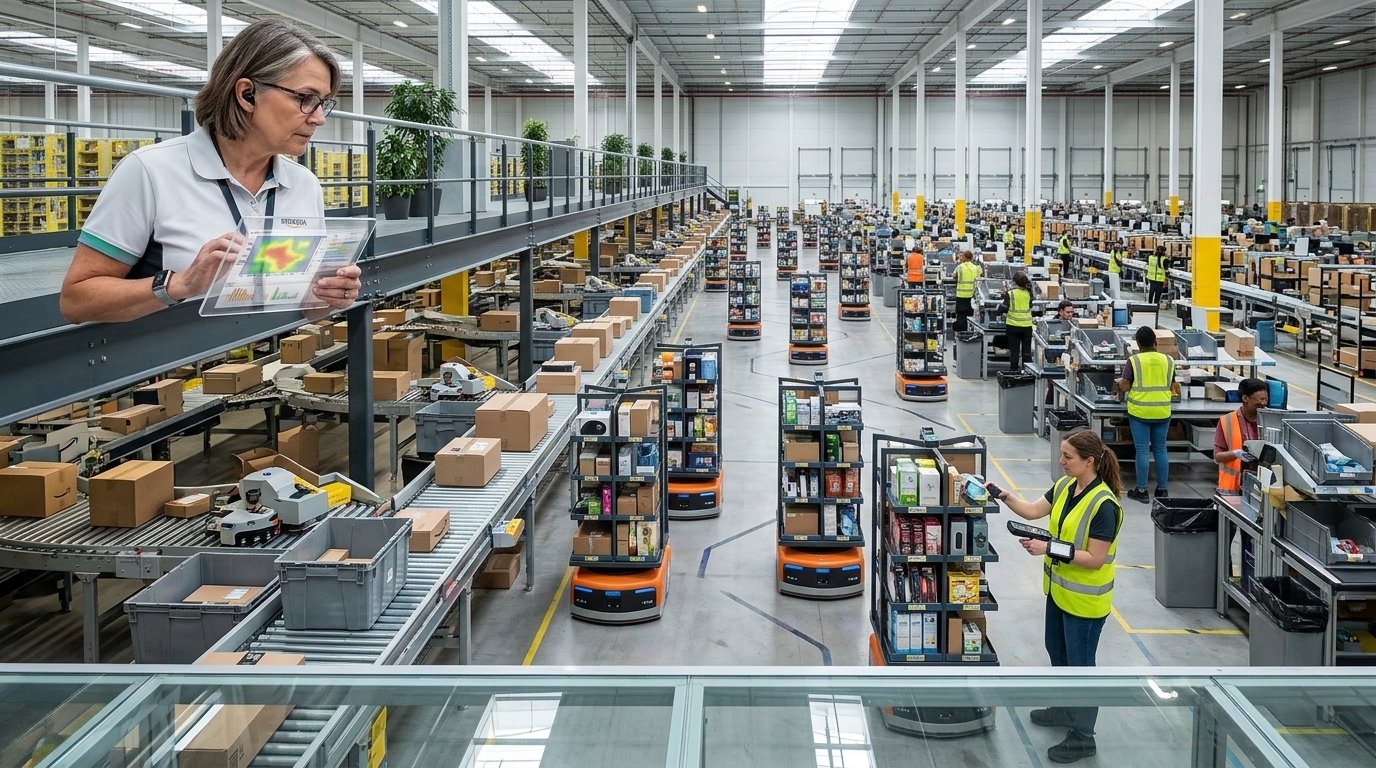
As we approach mid-June 2026, the traditional summer lull is being disrupted by Amazon's digital fever. Prime Day, officially scheduled to begin on June 23rd, apparently couldn't wait. The first "early" deals have already flooded the platform, signaling a strategic shift aimed at easing logistics congestion and directly countering competition from Walmart and Target.
The Audio Revolution: AirPods Pro 3 and Apple's Dominance
The headline news in the early hours of these deals is the historically low price of the AirPods Pro 3. While Apple traditionally maintains tight control over its pricing, Amazon—in an informal battle with Walmart—has managed to offer the flagship earbud model at a price unseen since its launch last year. The AirPods Pro 3, featuring integrated Adaptive Audio 2.0 technology that utilizes neural networks for real-time noise isolation, are the "holy grail" of this year's sales.
This price drop isn't accidental. With rumors of a new "AirPods Max 2" model approaching, Amazon is attempting to clear inventory while providing a lure for new Prime subscribers. Consumers are advised to act quickly, as stock at these prices tends to vanish within hours, despite promises of replenishment.
Smart Tools and AI Assistants: The New Normal
In the tools and home appliances category, this year is defined by the full integration of Generative AI. Amazon's Echo devices, now running the new "Olympus" model, are retailing with discounts of up to 50%. These are no longer mere speakers; they are sophisticated home assistants capable of composing workout routines, suggesting recipes based on smart fridge inventory, and managing home energy consumption with second-by-second precision.
Beyond Amazon's own gadgets, we're seeing significant discounts on AI-powered kitchen and cleaning tools. iRobot's robotic vacuums, equipped with next-generation LiDAR sensors and object recognition via computer vision, are priced at levels that make them accessible to the average family. The trend is clear: AI is no longer a premium feature but the primary selling point for 2026.
The Strategy Behind Early Discounts
Why does Amazon choose to launch deals nearly a week early? The answer lies in the data. Following the supply chain crises of previous years, the e-commerce giant has invested billions in automated sorting centers. However, the volume of orders during the two-day Prime Day event remains a logistical challenge. By spreading demand over a ten-day period, the company ensures faster delivery times and reduces pressure on human workers and autonomous delivery vehicles.
- Logistics: Reducing workload at central fulfillment centers.
- Competition: A preemptive strike against Walmart’s “Big Save Days.”
- Data Collection: Early gathering of consumer trend data, allowing for dynamic price adjustments during the main event.
Consumer Strategy for 2026
In a world where prices fluctuate every second via algorithms, consumers must be equipped with the right digital tools. Using AI trackers to monitor price history is now essential. Many of the "deals" seen today might simply be a return to the original price after an artificial hike the previous month. However, for products like the AirPods Pro 3 or Kindle Paperwhite, current prices appear authentic and represent a genuine opportunity.
"Purchasing power in 2026 is measured not just in money, but in the consumer's ability to discern real value amidst the noise of algorithmic offers," market analysts note.
In conclusion, Prime Day 2026 is more than just a discount event. It is a demonstration of Amazon's power in the AI era, where the convenience of "one-click" shopping is paired with the precision of predicting what we want before we even realize it.