In an era where wildfires have evolved from a seasonal occurrence into a permanent existential threat, technology is stepping in as the ever-watchful sentinel. Across the Western United States, and particularly in California, Artificial Intelligence (AI) is now being fully integrated into firefighting mechanisms, fundamentally transforming how blazes are detected and managed. As reported by FireRescue1, the implementation of AI algorithms scanning thousands of hours of high-definition video is proving to be a game-changer, spotting smoke in locations where the human eye would struggle—especially at night or in rugged, inaccessible terrain.
The Digital Lookout Revolution
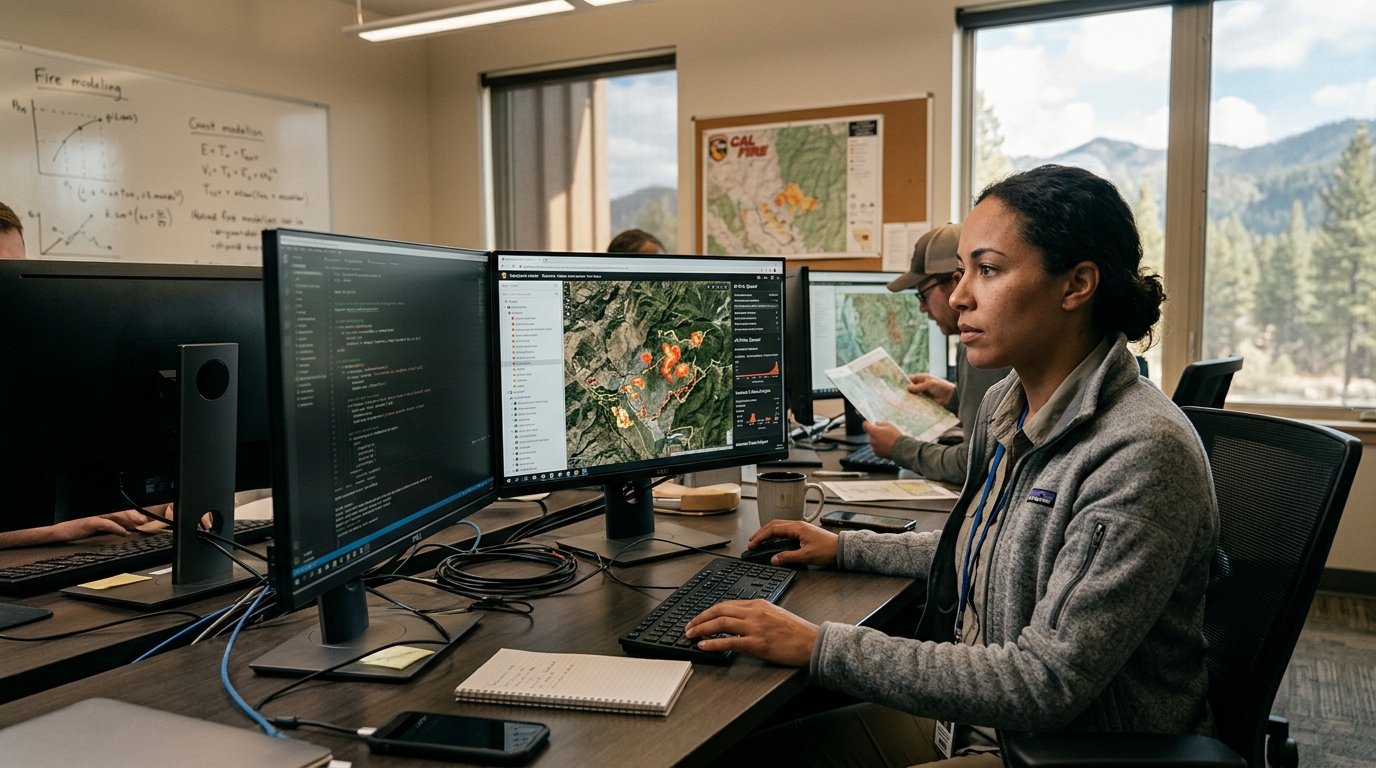
The heart of this technological shift beats within the AlertCalifornia program at the University of California, San Diego (UCSD). In collaboration with CAL FIRE, over 1,000 cameras have been strategically deployed across the state. The true innovation lies not just in the hardware, but in the AI's ability to process data in real-time. Machine learning algorithms have been trained to distinguish between the wisps of a nascent wildfire and common visual noise like fog, dust, or low-hanging clouds. When the system detects an anomaly, it immediately triggers an alert to dispatch centers, allowing firefighters to intervene during the critical "golden hour" before a fire becomes uncontainable.
The efficacy of this system is already quantifiable. In several documented instances, AI detected smoke before the first 911 call was ever placed. This speed is vital; a small spark can escalate into a catastrophic inferno within minutes, fueled by drought conditions and high winds. Furthermore, the use of AI significantly reduces the cognitive load on human dispatchers, who previously had to monitor dozens of feeds simultaneously—a task prone to human error and fatigue.
Public-Private Synergies in Firetech
Beyond academic initiatives, private companies like Pano AI are leading the charge in providing comprehensive "Firetech" solutions. Utilizing 360-degree cameras mounted on telecommunications towers, Pano AI’s system uses computer vision to triangulate the exact coordinates of a fire. This data is instantly shared with local authorities via a cloud-based platform, providing not just location data but also critical intelligence on the fire's rate of spread and direction.
- 24/7 automated smoke detection with high-resolution imaging.
- Advanced filtering to minimize false positives from dust or fog.
- Precise location triangulation for ground and aerial resource guidance.
- Integration of satellite imagery and localized weather station data.
This digital infrastructure creates a safety net spanning from Oregon to Colorado. Investing in these systems is increasingly viewed as an economic necessity; the cost of suppressing mega-fires and the subsequent insurance payouts run into the billions annually. AI is no longer a luxury tool; it is a fiscally responsible solution for protecting critical infrastructure and human life in the Pyrocene era.
Challenges and the Global Outlook
Despite the success, significant hurdles remain. Maintaining camera hardware in extreme heat or freezing conditions, ensuring reliable power supplies in the wilderness, and providing high-speed network coverage in remote areas are ongoing logistical challenges. Moreover, AI serves as a decision-support system, not a replacement for human expertise. The final call to deploy resources remains with veteran fire captains who possess the intuitive judgment and situational awareness that machines cannot yet fully replicate.
For regions like the Mediterranean, the Californian model offers a vital blueprint. With similar climates and topographical challenges, adopting AI-driven early detection could radically improve the efficiency of Civil Protection agencies. Prevention through technology is the only sustainable response to a climate crisis that has turned forests into tinderboxes. The future of firefighting lies not just in hoses and aircraft, but in the code and algorithms that warn us of danger before it’s too late.