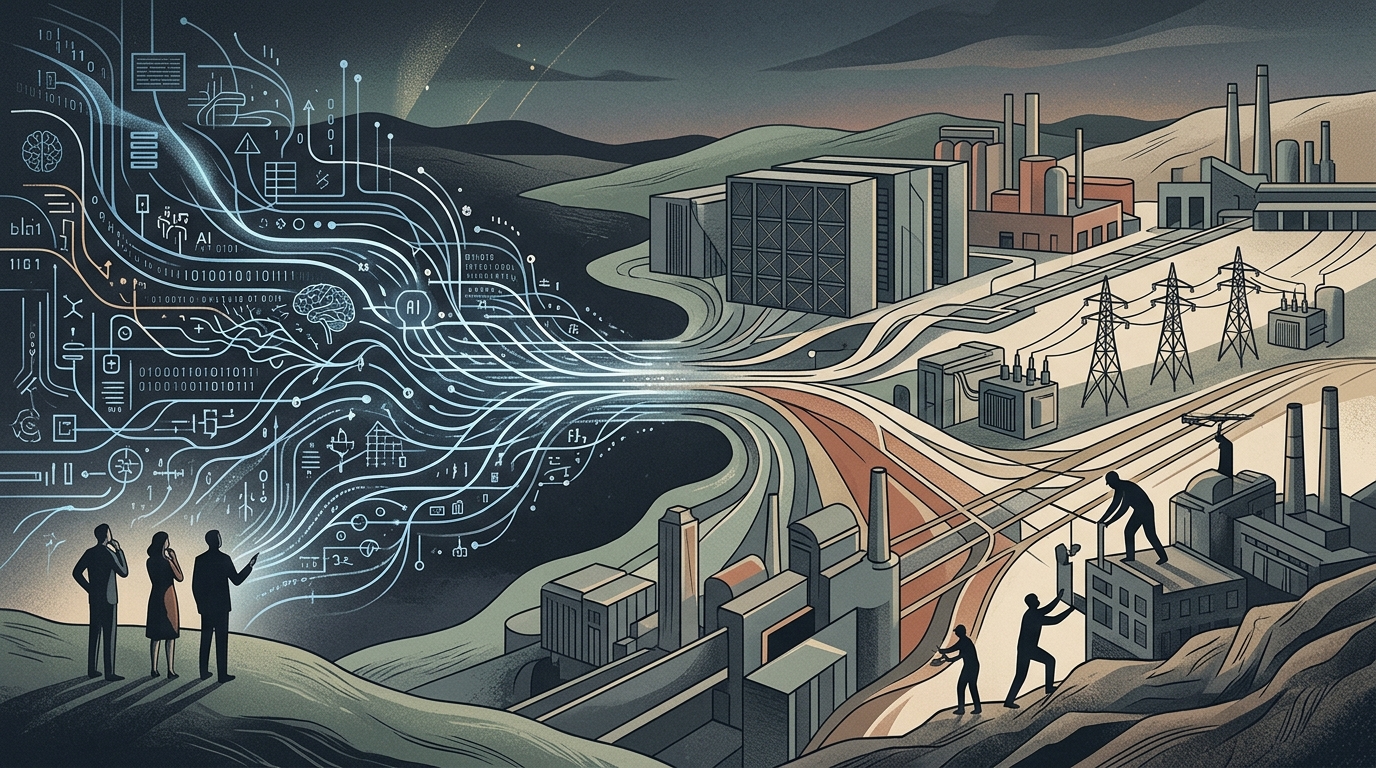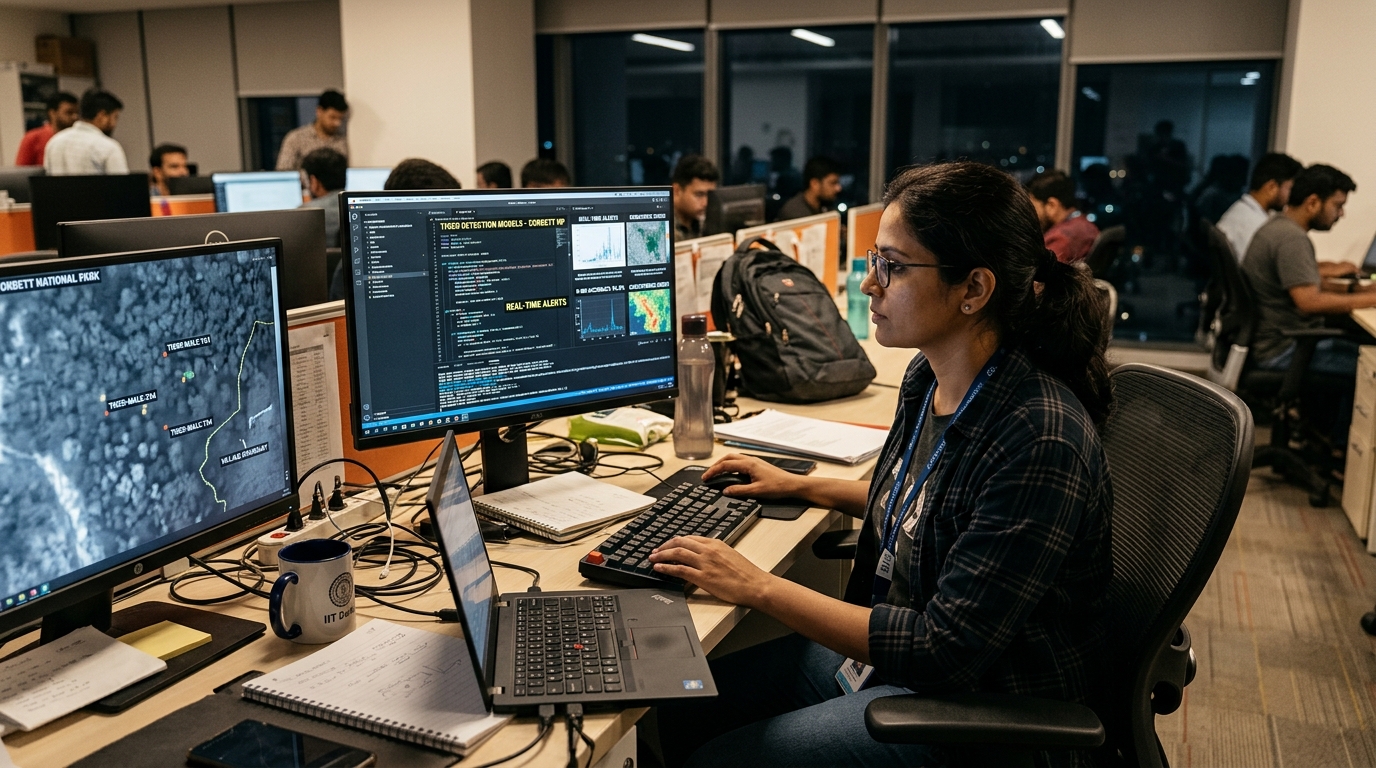
In the heart of India's dense jungles, where the wild meets the expanding frontiers of human settlement, a quiet revolution is taking place. The Bengal tiger, the majestic symbol of Indian biodiversity, is no longer being watched solely by the experienced eyes of forest rangers, but also by sophisticated artificial intelligence algorithms. As India's tiger population grows—a rare conservation success story—human-wildlife conflict (HWC) has emerged as one of the greatest challenges for the government in New Delhi. The solution, it appears, lies not in fences or firearms, but in data.
TrailGuard AI: Real-Time Detection at the Edge
One of the most successful tools in this endeavor is the TrailGuard AI system, developed in partnership with Intel and the conservation group Resolve. Unlike traditional camera traps that merely record images for later analysis, TrailGuard utilizes AI processors embedded within the camera itself (edge computing). This allows the device to "recognize" a tiger in real-time and send an immediate alert to the mobile phones of forest guards and village leaders via satellite or cellular networks.
Speed is the critical factor. In the past, a tiger approaching a village was often only noticed when it was too late—usually after an attack on livestock or, in the worst cases, a human. With AI, authorities have a "window of action" lasting several minutes, allowing them to evacuate residents or steer the animal back into the forest using non-invasive methods like noise or lights. The system's precision is remarkable; it has been trained to ignore other animals, swaying branches, or shadows, significantly reducing the false alarms that could lead to community complacency.
Predictive Analytics: Anticipating the Next Move
Beyond immediate detection, AI is being used to map "wildlife corridors." Tigers are territorial animals with vast ranges, often moving between different national parks and sanctuaries. By utilizing historical movement data, satellite imagery of forest cover, and prey density statistics, data scientists are creating predictive models that indicate where a tiger is most likely to appear in the coming days.
This approach enables "smart landscape management." For instance, if a model predicts a high probability of tiger movement through a specific agricultural zone during harvest season, authorities can issue warnings or increase patrols. Furthermore, data analysis helps in infrastructure planning, such as the design of "green bridges" over highways, ensuring that India's rapid development does not sever the genetic lineages of these apex predators.
The Social Dimension and Technological Adoption
The success of AI in India is judged not just by bits and bytes, but by its acceptance among local communities. For centuries, people living on the fringes of forests have viewed the tiger as a threat to their lives and livelihoods. Attacks often led to "retaliatory killings," where villagers would poison or trap tigers to protect themselves. The introduction of AI systems has begun to shift this dynamic, providing a sense of security and reducing the perceived need for violent intervention.
However, challenges remain. Maintaining these systems in extreme weather conditions (monsoons, heatwaves) is difficult, and reliance on technology raises questions about what happens during a system failure. Additionally, there is the risk that tiger location data could be intercepted by poachers, although these systems are protected with high-level encryption. The future of tiger conservation in India appears to be a blend of traditional wisdom and digital innovation, where AI acts as the invisible guardian of a fragile balance between man and nature.