In a move that signals the most significant shift in digital design history since the advent of layers, Adobe has announced the integration of specialized AI assistants into its flagship applications, Photoshop and Premiere Pro. This initiative, launching as a public beta, is not merely a feature addition but a structural overhaul of the user interface, transforming complex menus into a living dialogue between creator and software.
The Era of the 'Creative Co-pilot'
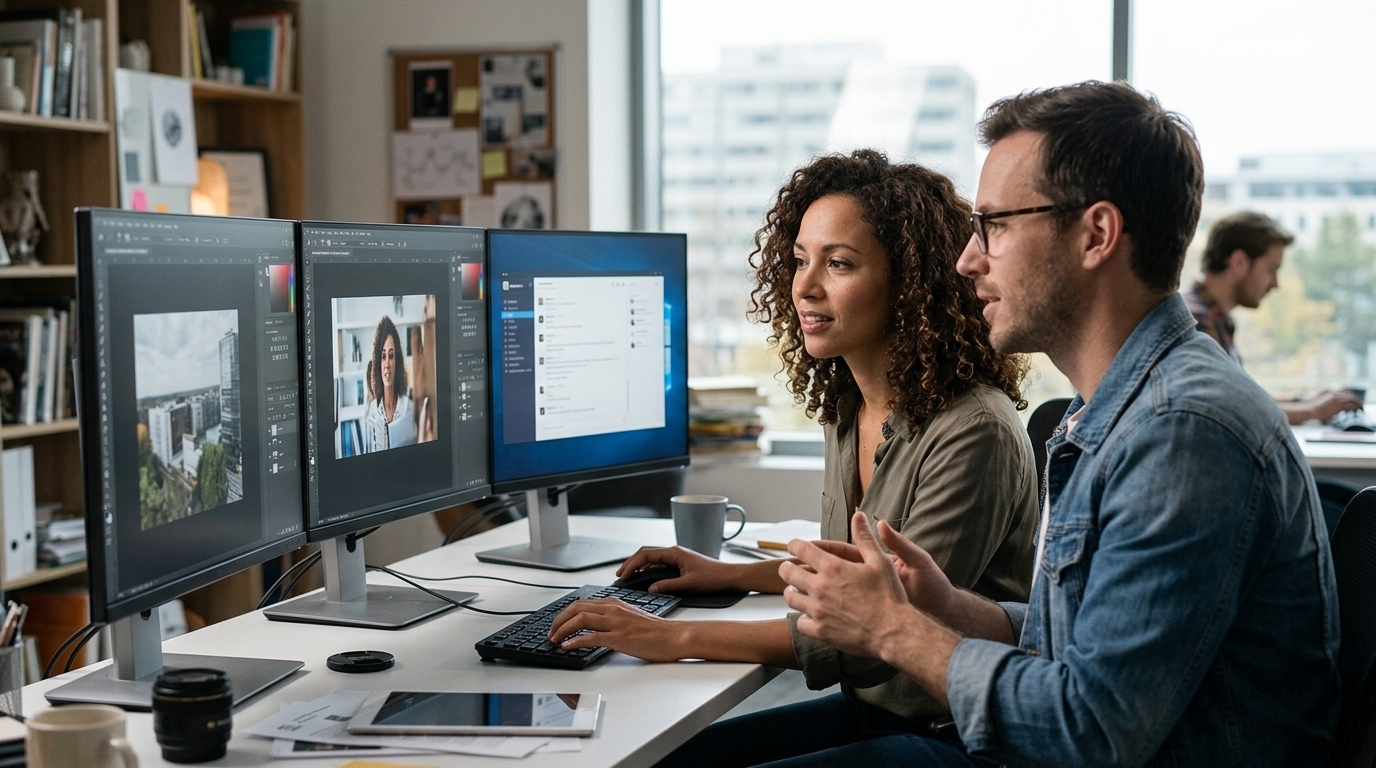
The new AI assistants, powered by Adobe's Firefly model, are no longer limited to simple text-to-image generation. They function as expert collaborators that understand the context of the work at hand. In Photoshop, the assistant can analyze the structure of a PSD file, suggest lighting improvements, or execute complex commands such as "remove the background and adjust the subject's colors to match a sunset atmosphere." The difference lies in the understanding of technical nuances: the assistant knows what masks, smart objects, and adjustment layers are, performing actions that previously required dozens of manual clicks.
In Premiere Pro, AI intervention promises to untie the "Gordian knot" of video editing. The assistant can scan hours of raw footage, identify the best takes based on emotion or audio quality, and generate an initial rough cut based on a written script. This automation of tedious tasks allows editors to focus on storytelling and artistic direction, rather than getting bogged down in file organization and repetitive cutting.
Ethics and Training: Adobe's Fortress
While competitors like OpenAI and Midjourney face legal challenges over the use of copyrighted content, Adobe continues to emphasize its "ethical advantage." Its assistants are trained exclusively on Adobe Stock content, for which the company holds the rights, and public domain content whose copyrights have expired. This "Content Authenticity" strategy is critical for corporate clients who fear legal repercussions from using AI-generated material in commercial projects.
"We are not replacing the artist; we are giving them a magic wand that understands their intentions," an Adobe executive stated during the launch event.
However, this integration raises questions about the future of junior positions within the industry. If an AI assistant can perform color grading or rotoscoping in seconds, what will be the role of young professionals who traditionally started with these tasks to learn the craft?
Toward a Democratization of Creativity?
Adobe's move to bring AI directly inside its applications, rather than leaving it as a separate web tool, aims to maintain its dominance against rising forces like Canva. The ease of use offered by chatbots drastically lowers the learning curve. A beginner can now achieve professional-level results simply by describing what they have in mind. Nevertheless, Adobe insists that these tools are designed to unlock creativity, not to standardize it. The challenge for the creative community in 2026 will be maintaining a personal signature in a world where technical perfection is becoming a commodity, accessible through a simple prompt in a chatbox.