In the wake of recent breakthroughs in Artificial Intelligence (AI), the "Tech and Innovator Days" have emerged as a critical forum for bridging the gap between academic theory and practical application. As we navigate June 2026, the conversation has moved beyond whether AI will change the world to how academic institutions, such as Grand Canyon University (GCU), are preparing the next generation of scientists to lead this transformation. This year's event highlights a fundamental shift: AI is no longer viewed as an isolated tool for computer science departments, but as a horizontal catalyst permeating every facet of human knowledge.
AI as a Catalyst for Scientific Discovery
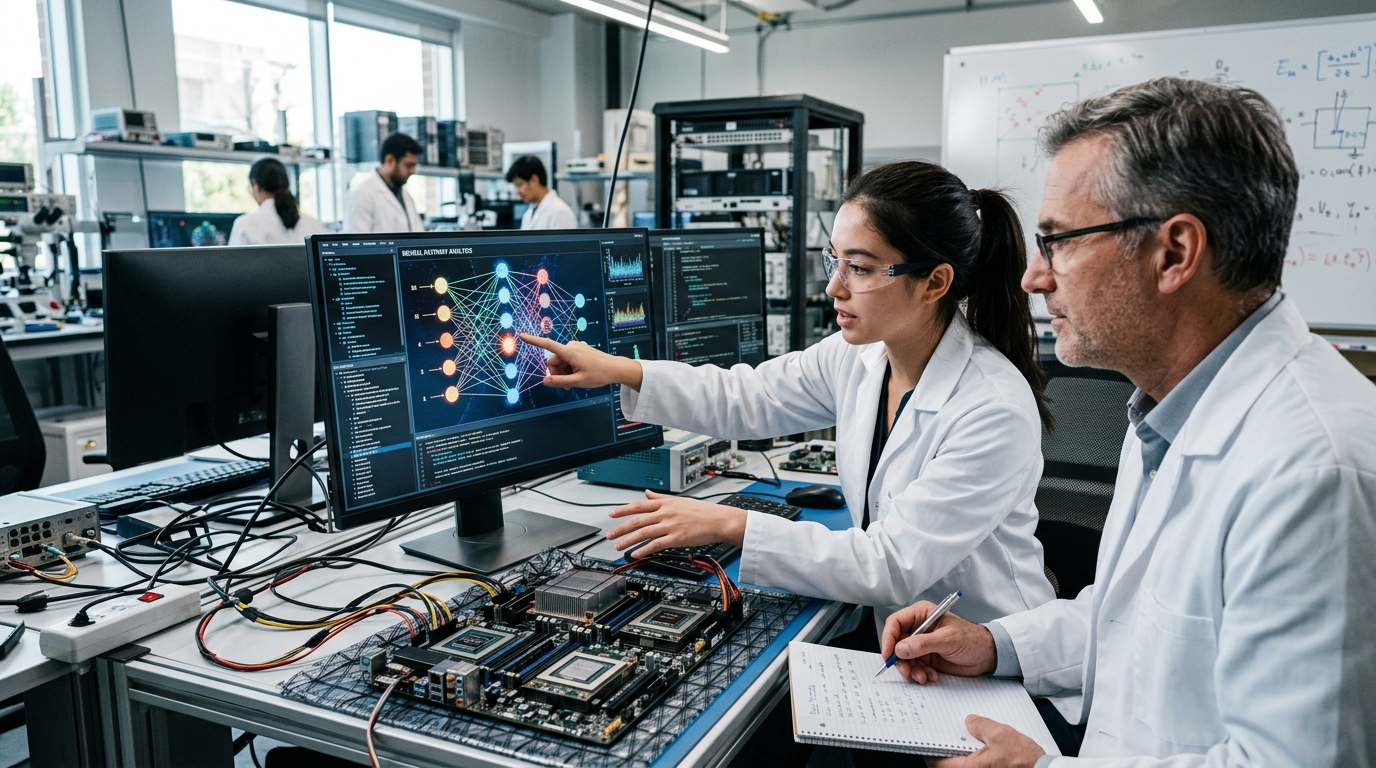
The research presented this year showcases AI's ability to accelerate discoveries in fields that traditionally required decades of experimentation. At the center of this are "Self-driving Labs," where machine learning algorithms design, execute, and analyze experiments in chemistry and biology with minimal human intervention. This evolution allows researchers to focus on formulating strategic questions, leaving the tedious work of trial and error to the machines.
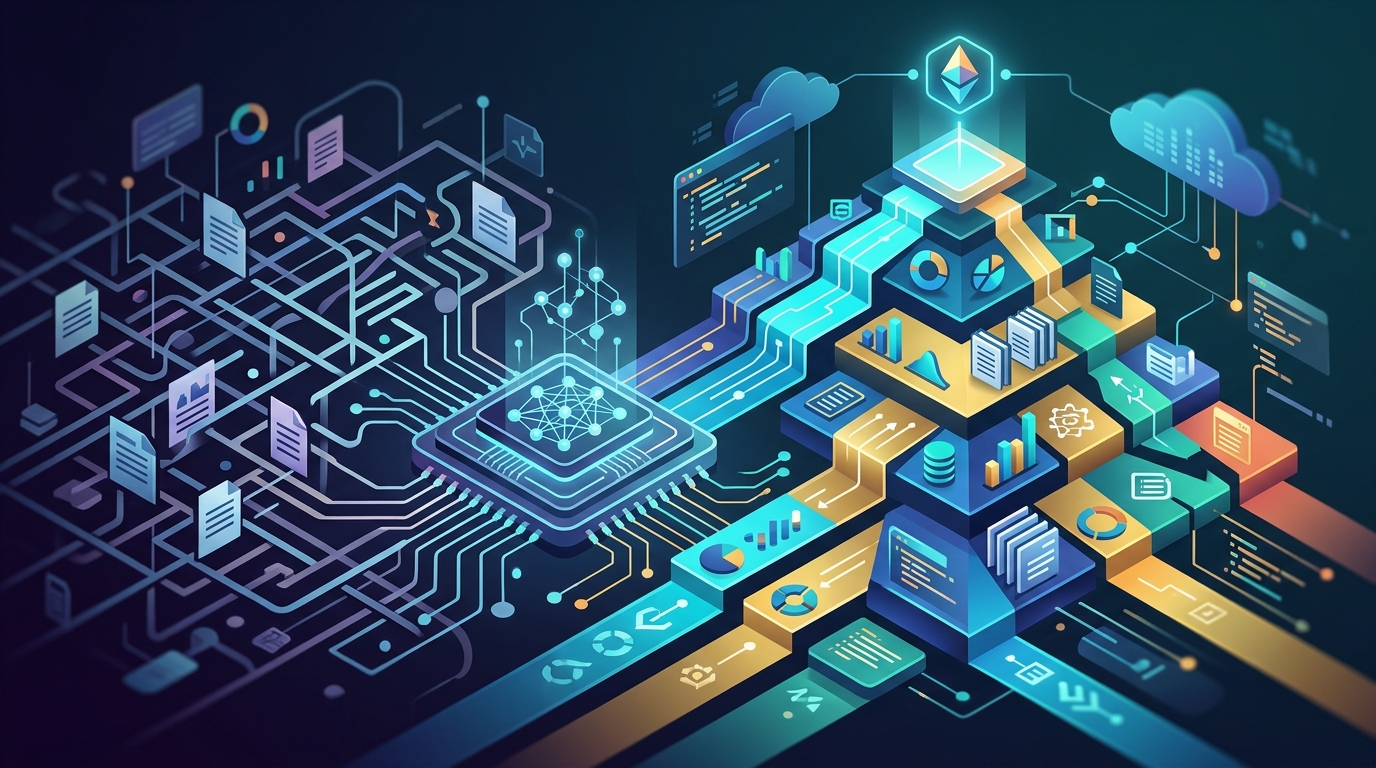
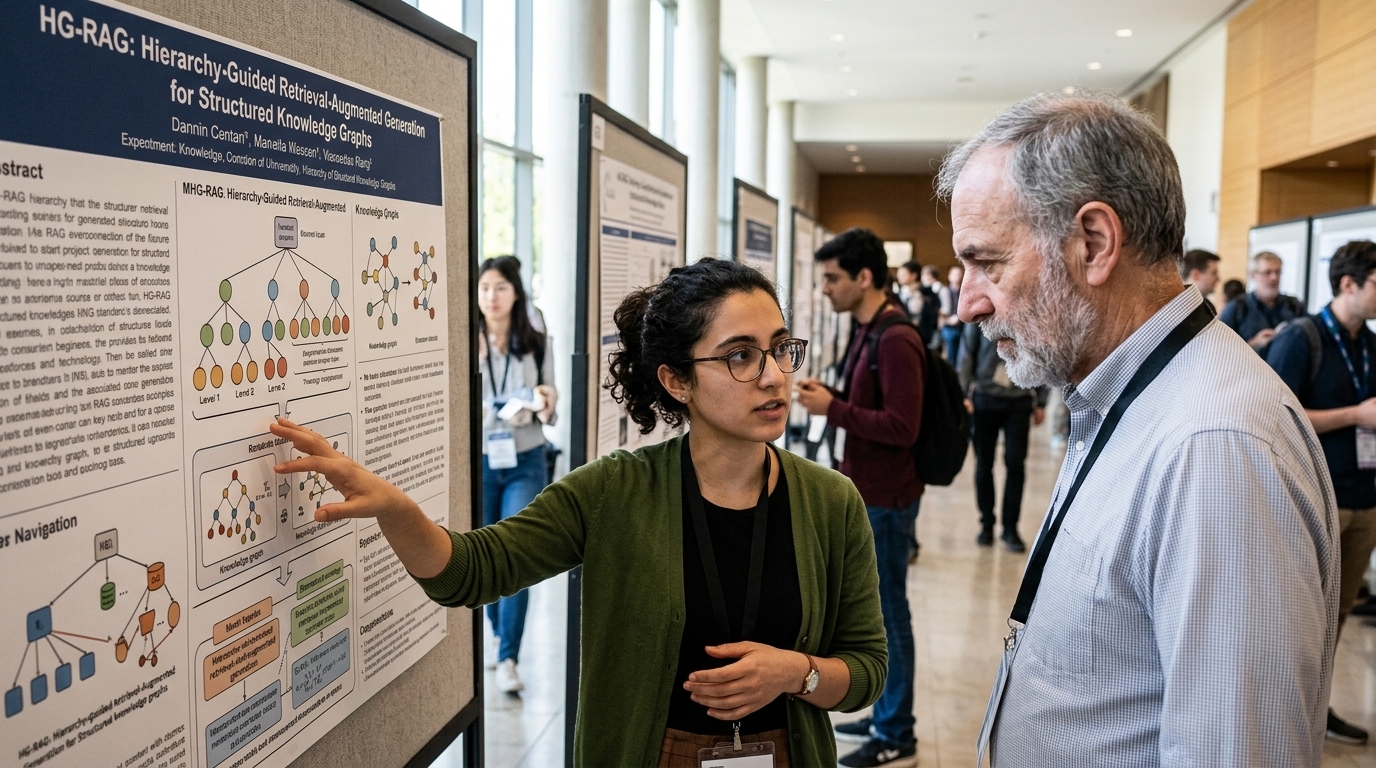
Furthermore, the integration of Large Language Models (LLMs) into academic writing and literature review has fundamentally altered the pace of knowledge production. Students and faculty now utilize specialized Retrieval-Augmented Generation (RAG) tools trained on vetted scientific databases, drastically reducing AI "hallucinations" and ensuring the accuracy of citations. This democratized access to complex information enables interdisciplinary teams to collaborate in ways that were unthinkable just a few years ago.
The Ethical Imperative in the Classroom
However, innovation does not come without its hurdles. A central theme of the Tech and Innovator Days is the ethical dimension of AI. Universities are at the forefront of creating frameworks that ensure technology is developed with a human-centric approach. Discussions on "Algorithmic Transparency" and "Bias Mitigation" are more relevant than ever. Academics emphasize that AI education must include mandatory ethics courses, ensuring that tomorrow's developers understand the societal implications of the code they write.
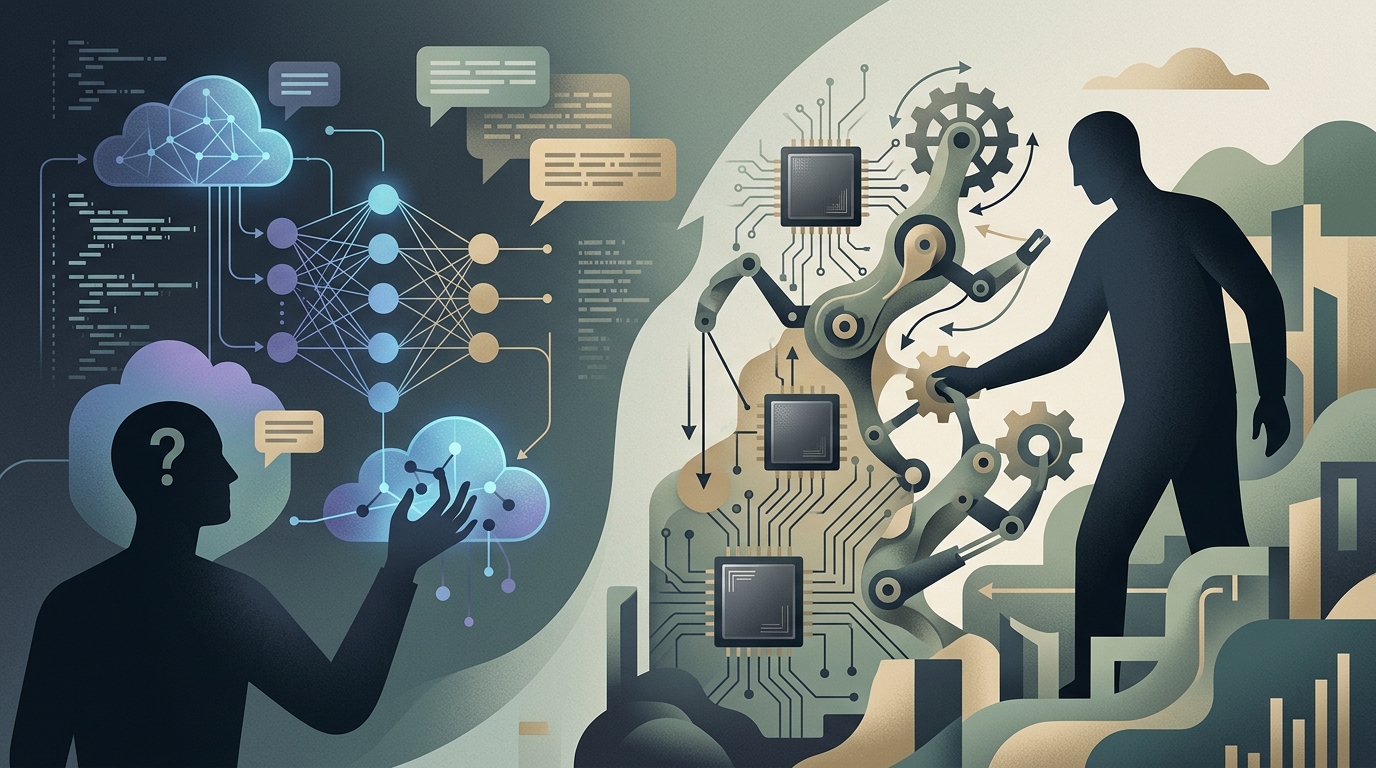
In this context, new assessment tools were introduced to help educators distinguish between creative AI usage and simple plagiarism. The philosophy is shifting from prohibition to "mindful usage." Students are encouraged to use AI as a "Socratic partner" that challenges their thinking, rather than a tool that provides ready-made answers. This model of human-machine co-creation forms the foundation of the new educational paradigm.
Bridging the Gap: From Labs to the Workforce
The bridge between academia and industry is the ultimate goal of such events. Representatives from tech giants participating in the Innovator Days are now seeking graduates who don't just know how to use AI, but how to adapt it to specific business needs. The demand for "Prompt Engineers" has already given way to the demand for "AI System Architects," individuals capable of synthesizing disparate models to solve complex real-world problems.
In conclusion, the Tech and Innovator Days at GCU demonstrate that Artificial Intelligence is the new electricity. Just as electricity transformed every industry in the 20th century, AI is reshaping research and education in the 21st. The key to success lies not in technological superiority itself, but in our ability to integrate it into a framework of values that promotes human well-being and critical thinking. Through such initiatives, the academic community proves it remains the lighthouse guiding technological progress toward a more equitable and innovative future.