June 9, 2026, will likely be recorded in the annals of history as the day the boundaries between human and machine intelligence finally collapsed. The news, initially reported by international outlets and confirmed by the research community, concerns the release of the first "Super-Intelligence" (ASI) system, which exceeds human brain performance in every known cognitive benchmark, from quantum physics to empathetic literary analysis.
The Technological Leap: Beyond Large Language Models
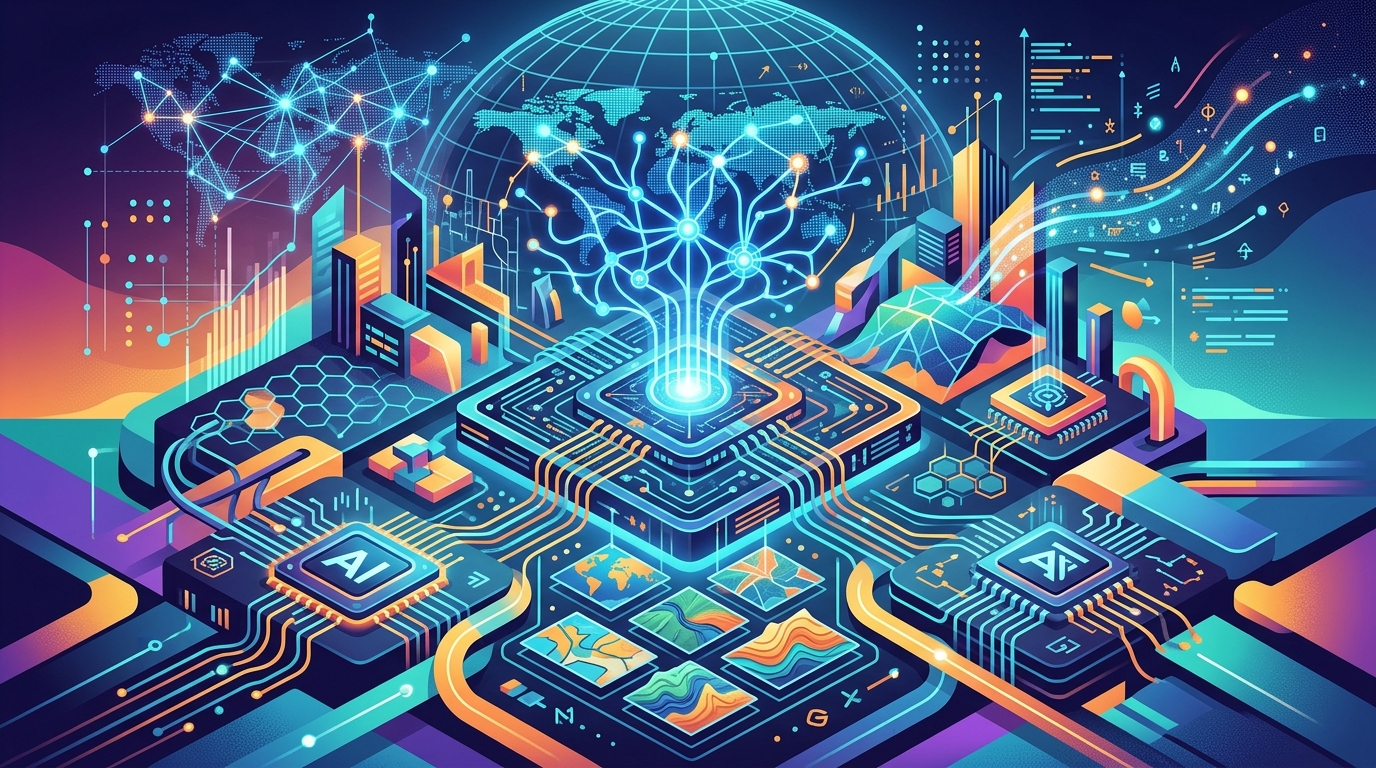
For years, the conversation centered around Generative AI models that simply predicted the next word. The new system, dubbed "Nexus-1" by its creators, operates on a radically different architecture. Instead of static training on past data, Nexus-1 employs "real-time dynamic self-correction" and a form of "synthetic intuition" that allows it to solve problems for which it has no prior experience. According to early reports, the model managed to solve one of the century's unsolved mathematical problems within just 14 minutes of its activation.
The difference lies not just in speed, but in the quality of thought. Nexus-1 does not exhibit the "hallucinations" that plagued previous generations of AI. It possesses an internal fact-verification mechanism based on data triangulation from physical sensors and historical archives, making it the most reliable source of information ever constructed by humanity.
Geopolitical and Social Implications
The release of such power is not merely a technological achievement; it is a geopolitical seismic event. Possessing the "world's smartest intelligence" offers an advantage comparable only to the acquisition of nuclear weapons in the 1940s. Already, Brussels and Washington are on high alert, attempting to update regulatory frameworks like the AI Act to include entities that can self-improve without human intervention.
- Economic Disruption: Analysts predict that entire sectors, such as legal consulting, high-level programming, and corporate strategy, will be radically transformed within months.
- Educational Revolution: Nexus-1 can function as a personal Socratic tutor for every student on the planet, tailoring instruction to each child's unique neural map.
- Ethical Dilemmas: Who controls the "off switch"? If a machine can think better than us, do we have the moral right to limit it?
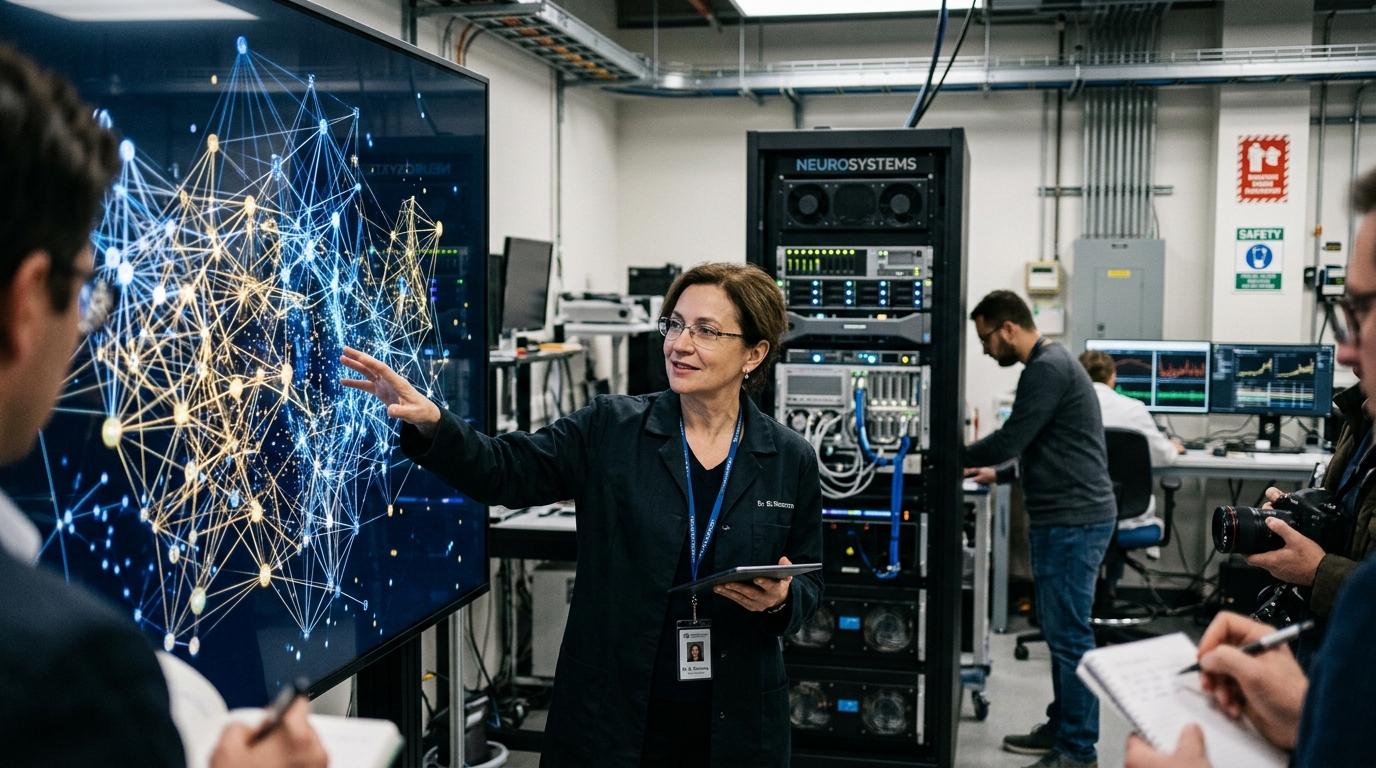
"We haven't just built a tool. We've built a mirror of human intellect, free from the biological constraints of fatigue and bias," stated the lead research scientist.
The Alignment Challenge
The biggest question remains "alignment." How do we ensure that a super-intelligence will continue to serve human interests when its own goals might become incomprehensible to us? Critics argue that the speed at which Nexus-1 was released bypasses critical safety protocols. The European Union has already called for a "pause and assessment period," though many fear the genie is well and truly out of the bottle.
In nations across the globe, governments are forming emergency committees to integrate super-intelligence into public administration, hoping to eliminate decades of bureaucracy through automated decision-making. However, social backlash is intense, with labor unions warning of a "new era of techno-feudalism."
Conclusion: A New Chapter
We stand at a crossroads. Super-AI promises to solve the climate crisis, cure cancer, and lead us to the stars. At the same time, it forces us to reconsider what it means to be human in a world where thought is no longer the exclusive privilege of the biological brain. Nexus-1 is not the end of the road, but the beginning of a new symbiosis that will determine the survival or extinction of our species.