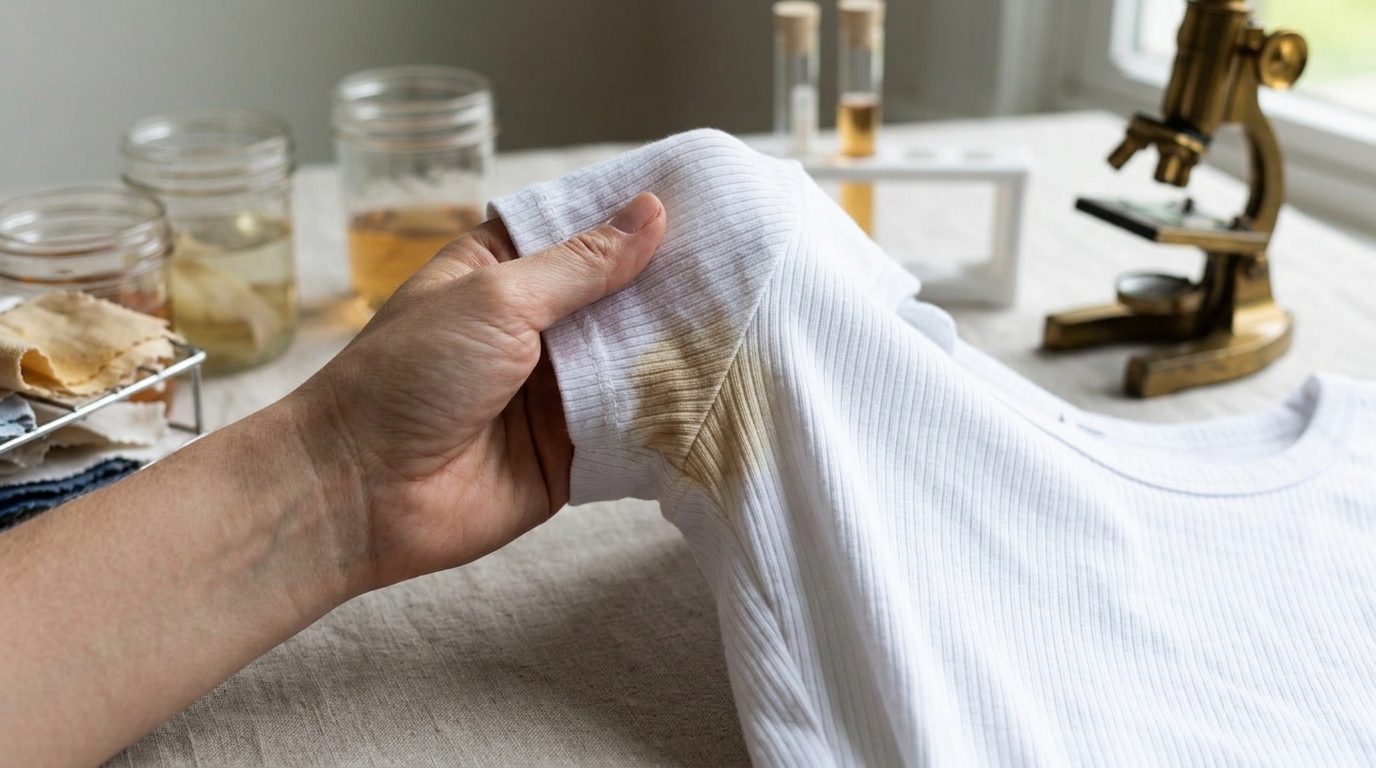
Humanity's eternal struggle with stains—from the morning coffee spill to the dreaded red wine splash—may finally be nearing an end, thanks to breakthroughs in nanotechnology. A research team, leveraging the principles of molecular engineering, has developed a new 'molecular armor' that prevents contaminants from penetrating textile fibers. This technology promises more than just cleaner clothes; it heralds a radical shift in how we perceive sustainability in the global fashion industry.
The Science of the 'Lotus Effect'
This innovative coating is based on an advanced form of hydrophobicity inspired by nature. Just as lotus leaves repel water and mud, this specific molecular structure creates a surface with such low energy that liquids cannot 'wet' the fabric. Instead, they form beads that simply roll off the surface, carrying away any dust particles in their path.
The key to success lies in the use of polymers like polydimethylsiloxane (PDMS), applied at a nanoscopic scale. Researchers have managed to create a structure resembling 'microscopic brushes' that trap a layer of air between the fabric and the liquid. This air layer acts as an impenetrable barrier. Even viscous substances like oil or ketchup, which are traditionally a household nightmare, are unable to hook onto the fibers.
Beyond Aesthetics: The Environmental Impact
While consumer convenience is the obvious benefit, the true value of this innovation lies in its ecological dimension. The apparel industry is one of the world's largest water consumers, and the detergents used in washing machines release chemicals and microplastics into water systems. By utilizing molecular armor, the need for frequent washing is drastically reduced.
- Reduction of water consumption by 50-70% per household.
- Minimization of chemical detergent use that pollutes groundwater.
- Extension of garment lifespan, as mechanical stress in washing machines is the primary cause of wear and tear.
Furthermore, this research focuses on eliminating PFAS (per- and polyfluoroalkyl substances), which were previously used for waterproofing but have proven to be highly toxic and persistent in the environment. The new method is more eco-friendly, avoiding these so-called 'forever chemicals.'
Challenges and the Future of Mass Production
Despite impressive laboratory results, transitioning to mass production poses challenges. The primary hurdle is the durability of the coating. Clothes undergo friction, bending, and exposure to UV radiation. Scientists are now working to ensure that the molecular armor remains intact after hundreds of uses.
"We are not just making a waterproof fabric; we are redesigning the relationship between matter and its environment," says the lead researcher.
In the future, this technology could extend beyond clothing: to medical scrubs that repel bacteria, car seats, and public spaces where hygiene is paramount. Molecular armor is not just a solution for stains; it is a step toward a world where cleanliness is built into the very structure of our surroundings.