For billions of years, life on Earth has relied on a strict "alphabet" of 20 amino acids. These building blocks, encoded in our DNA, form the basis for every protein, from the oxygen-carrying hemoglobin to the collagen in our skin. However, modern biotechnology is no longer confined to what nature provides. Genetic Code Expansion (GCE) allows scientists to incorporate non-canonical amino acids (ncAAs) into proteins, granting them new, exotic chemical and physical properties. While this technology was for decades restricted to academic laboratories, the integration of Machine Learning (ML) now promises to bridge the gap toward commercialization and mass production.
The Challenge of Complexity and the AI Solution
The process of GCE requires reprogramming the cellular machinery. To incorporate a new amino acid, scientists must create "orthogonal" pairs of tRNA and synthetase that do not interact with the cell's natural components. Traditionally, this was done through painstaking trial and error in the lab, a process that often resulted in low yields or toxicity to the host (usually E. coli bacteria).
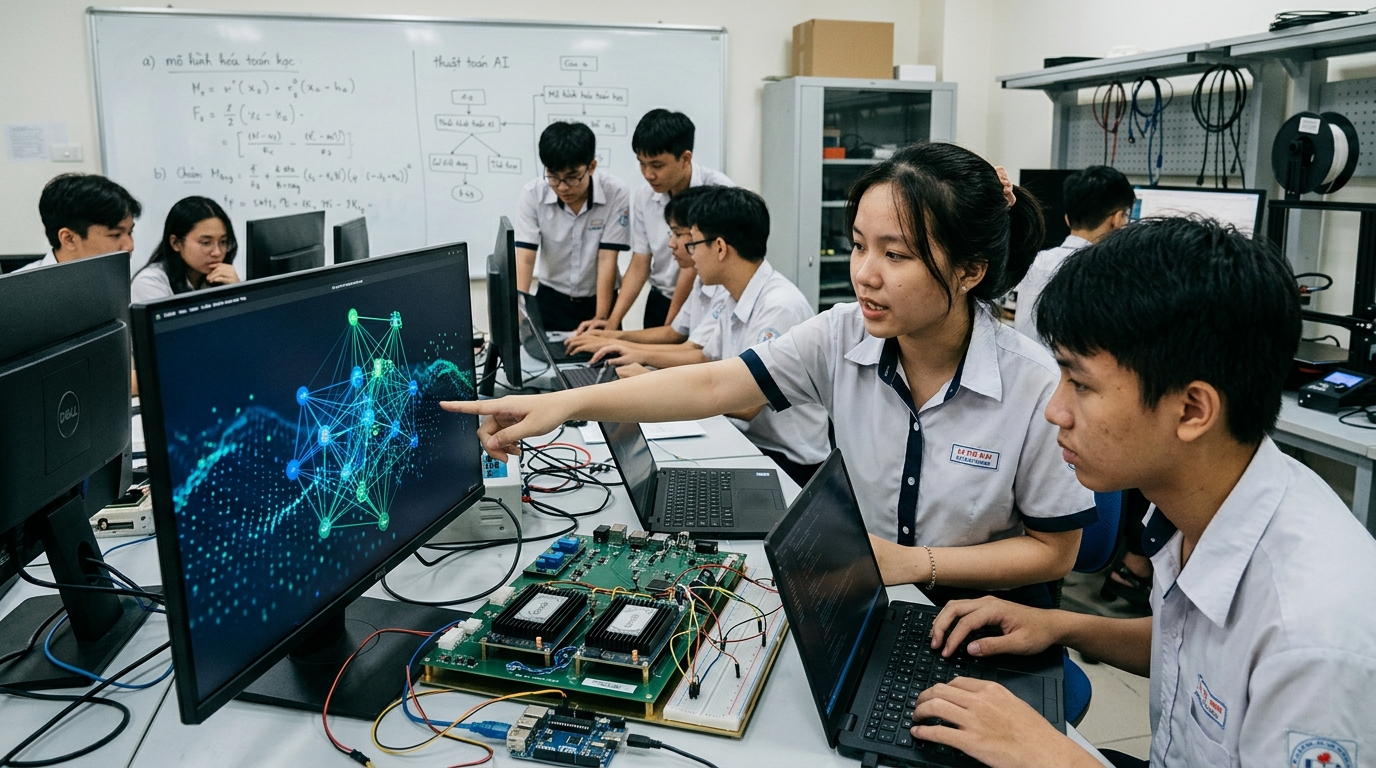
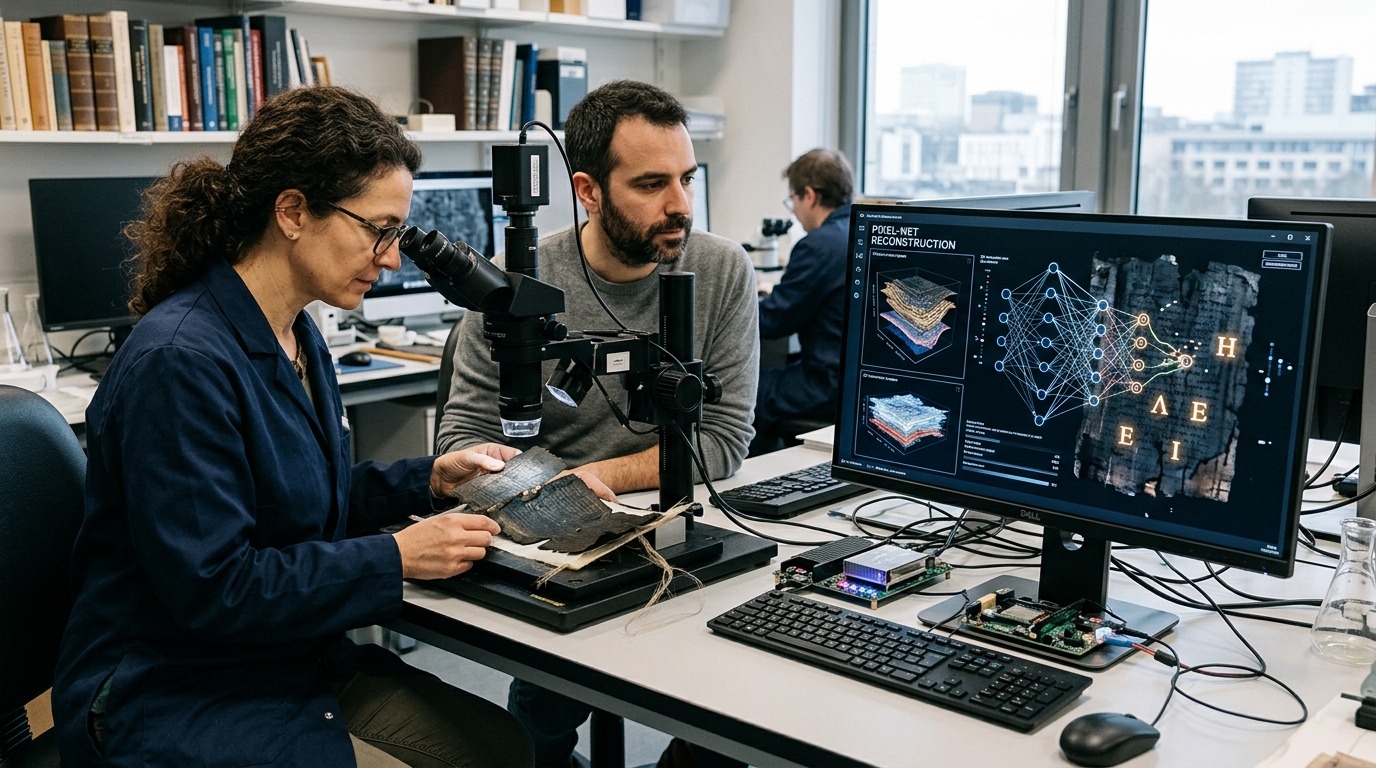
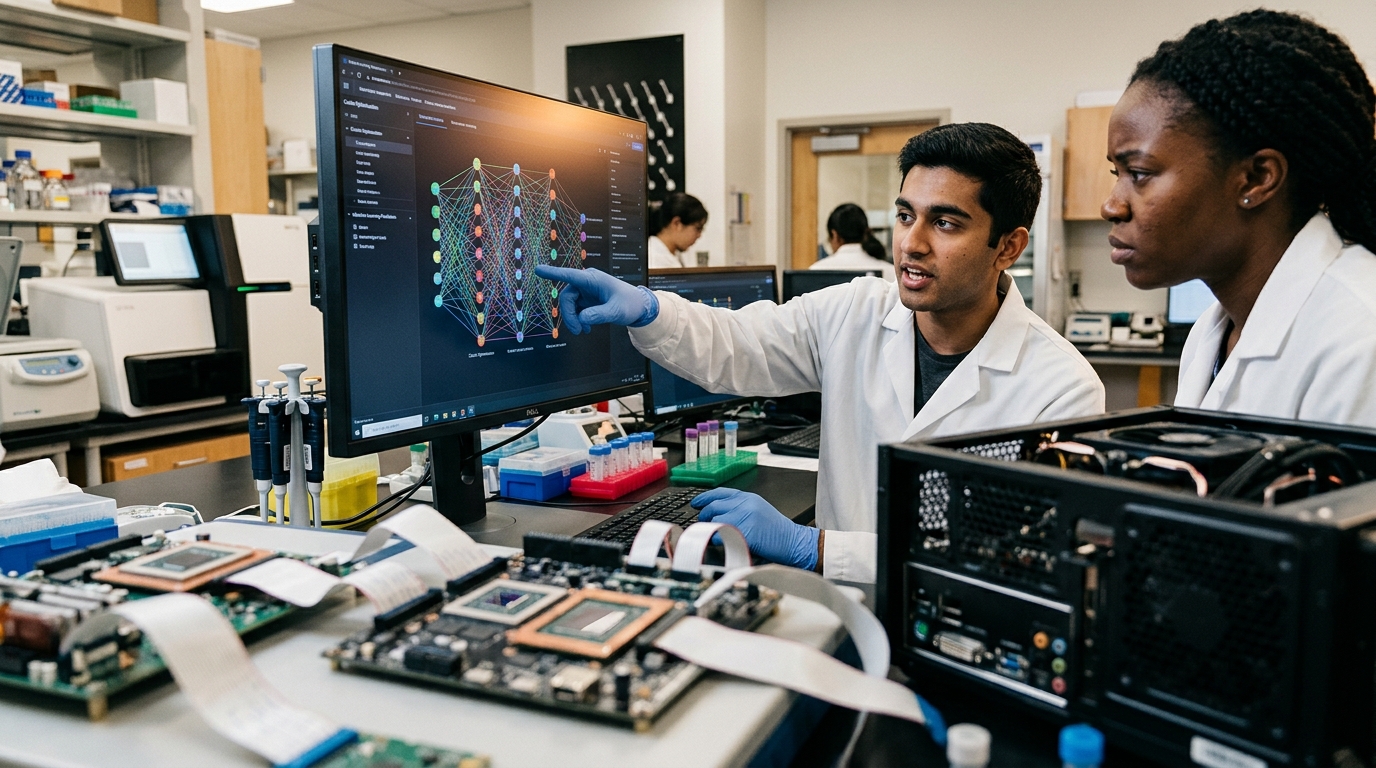
This is where Machine Learning enters the fray. Using deep learning algorithms, researchers can now simulate millions of potential sequence combinations before even touching a pipette. ML models, such as those based on Transformer architectures or Graph Neural Networks, can predict how a change in the synthetase's structure will affect its affinity for a non-canonical amino acid. This predictive power reduces development time from years to weeks, allowing for the design of proteins with atomic precision.
From the Test Tube to the Bioreactor
The biggest hurdle for moving GCE to the market has always been scalability. A protein produced in micro-quantities in a lab is not necessarily viable for industrial production. Machine Learning helps optimize the metabolic pathways of the host cell, ensuring that the introduction of the foreign amino acid does not "drain" the cell's energy, leading to death or low output.
- Codon Optimization: AI analyzes which DNA sequences are most efficient for expressing new proteins across different organisms.
- Stability Prediction: ML models evaluate whether the new protein will remain functional under industrial conditions (temperature, pH).
- Cost Reduction: Through more efficient production, the cost of ncAAs, which was once prohibitive, is being drastically reduced.
As noted in recent studies highlighted by The Scientist, this synergy is creating a new class of "smart" biomaterials and pharmaceuticals. For instance, next-generation Antibody-Drug Conjugates (ADCs) use GCE to attach toxic payloads to specific sites on the antibody with absolute precision, reducing the side effects of chemotherapies.
Ethical Implications and the Future of the Industry
As we approach an era where the genetic code is fully customizable, serious questions arise. Creating organisms with an expanded code could, theoretically, provide a form of "biological containment" — these organisms would be unable to exchange genetic material with nature, acting as a built-in safety mechanism. However, the patenting of these "new forms of life" and their products remains a field of intense debate within EU and US regulatory bodies.
"We are not just modifying life; we are redefining the limits of its chemical existence. Machine Learning is the navigator in this uncharted ocean of possibilities," says a leading researcher in the field.
In conclusion, the convergence of biology and computer science is no longer a futuristic promise. It is a reality transforming how we understand disease treatment and material manufacturing. The bridge from the lab to the market is being built now, with foundations made of code — both genetic and digital.