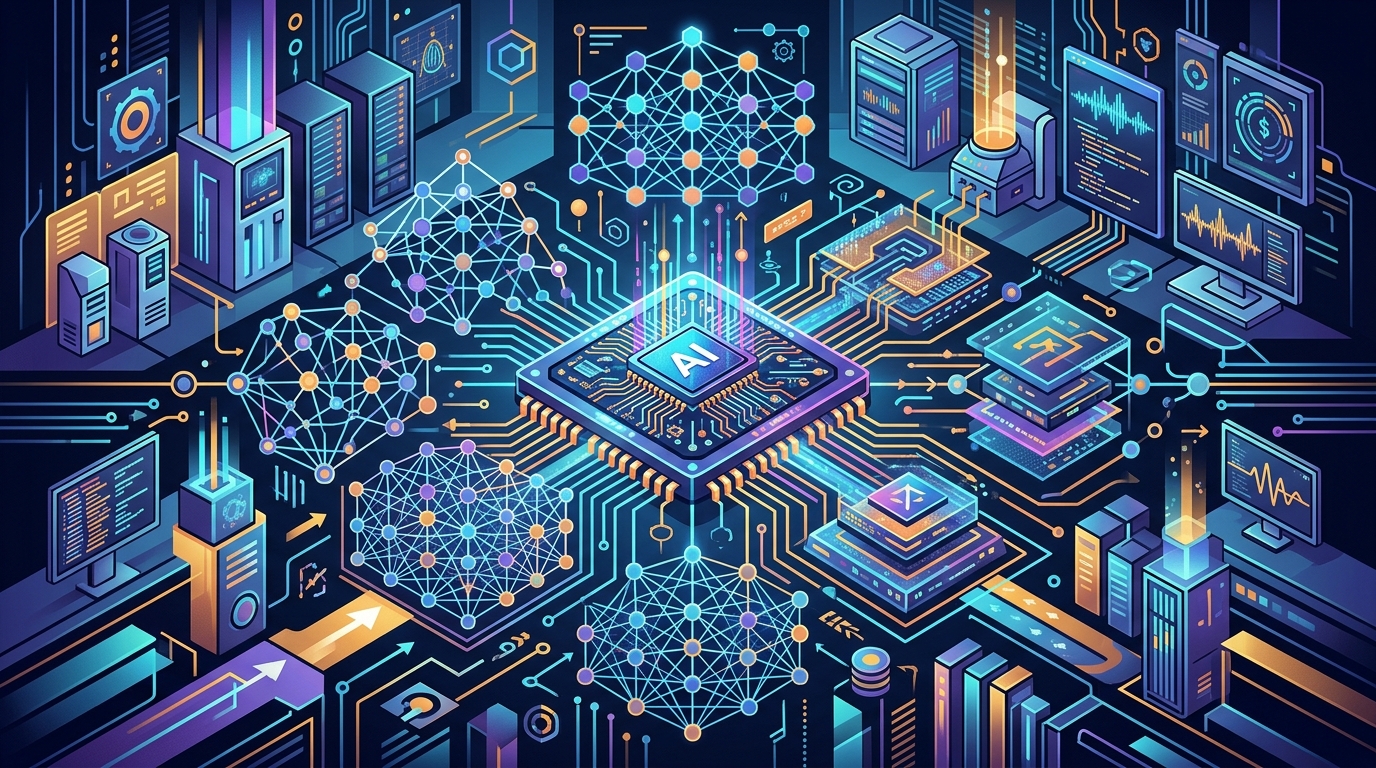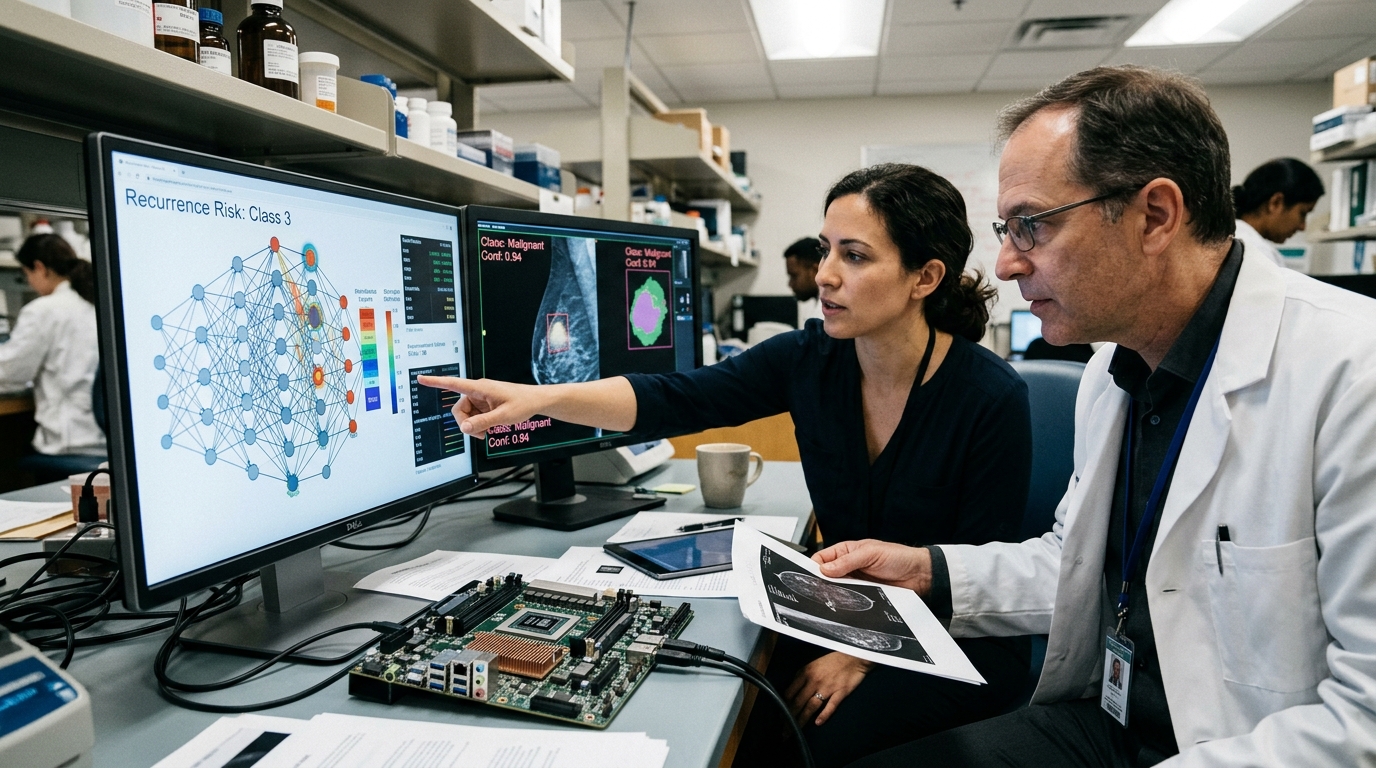
In the perpetual battle of medical science against breast cancer, the emergence of Artificial Intelligence (AI) is not merely a technological upgrade but a fundamental paradigm shift. According to recent research highlighted by EurekAlert!, deep learning algorithms are reshaping the foundations of detection and prognosis, offering hope to millions of women worldwide. The ability of AI to analyze vast volumes of data from mammograms, ultrasounds, and histopathological exams allows physicians to identify malignancies at stages that human vision struggles to discern.
The Digital Revolution in Diagnostic Precision
Traditional radiology, despite its immense progress, remains susceptible to two critical errors: false positives and false negatives. A false positive leads to unnecessary anxiety and invasive biopsies, while a false negative can be fatal. AI systems trained on millions of images can now function as a 'second reader' with infallible attention to detail. These algorithms do not tire and are unaffected by subjectivity, offering an objective assessment that bolsters diagnostic confidence.
Furthermore, AI transcends simple pattern recognition. Through radiomics, algorithms extract quantitative features from medical images that are invisible to the naked eye. This data can indicate a tumor's aggressiveness or its potential response to specific treatments, allowing for a truly personalized approach from day one.
Predicting the Future: The Challenge of Recurrence
Perhaps the most impressive development concerns the prediction of recurrence. For many patients, completing treatment does not bring total relief but a lingering fear of the disease's return. New research shows that AI can analyze the initial biopsy and identify microscopic cues in the tumor microenvironment that suggest a high risk of recurrence over the next five or ten years. This predictive capability is vital, as it allows oncologists to tailor post-treatment surveillance and intervene preemptively where the risk is elevated.
- Analysis of histological slides with pixel-level precision.
- Identification of biomarkers linked to drug resistance.
- Integration of genetic data with imaging findings for comprehensive prognosis.
This multi-parametric analysis enables the creation of a 'digital twin' of the patient, where doctors can simulate the course of the disease and select the optimal therapeutic regimen.
Ethical Challenges and the Future of Care
Despite the excitement, integrating AI into clinical practice is not without challenges. The 'black box' issue—the difficulty of understanding how an algorithm arrived at a decision—remains central. Physicians must be able to explain diagnoses to patients, and AI-dependent medicine requires new frameworks for accountability and transparency. Furthermore, there is the risk of data bias; if algorithms are trained only on specific populations, their effectiveness in other ethnic groups may be diminished.
"Artificial Intelligence will not replace the oncologist, but the oncologist who uses AI will replace the one who does not."
In the future, AI is expected to become an integral part of national screening programs. Adopting such technologies could drastically reduce waiting times for mammography results and provide access to high-level diagnostic care even in remote areas through telemedicine. The fight against breast cancer is becoming smarter, faster, and, most importantly, more human through technology.