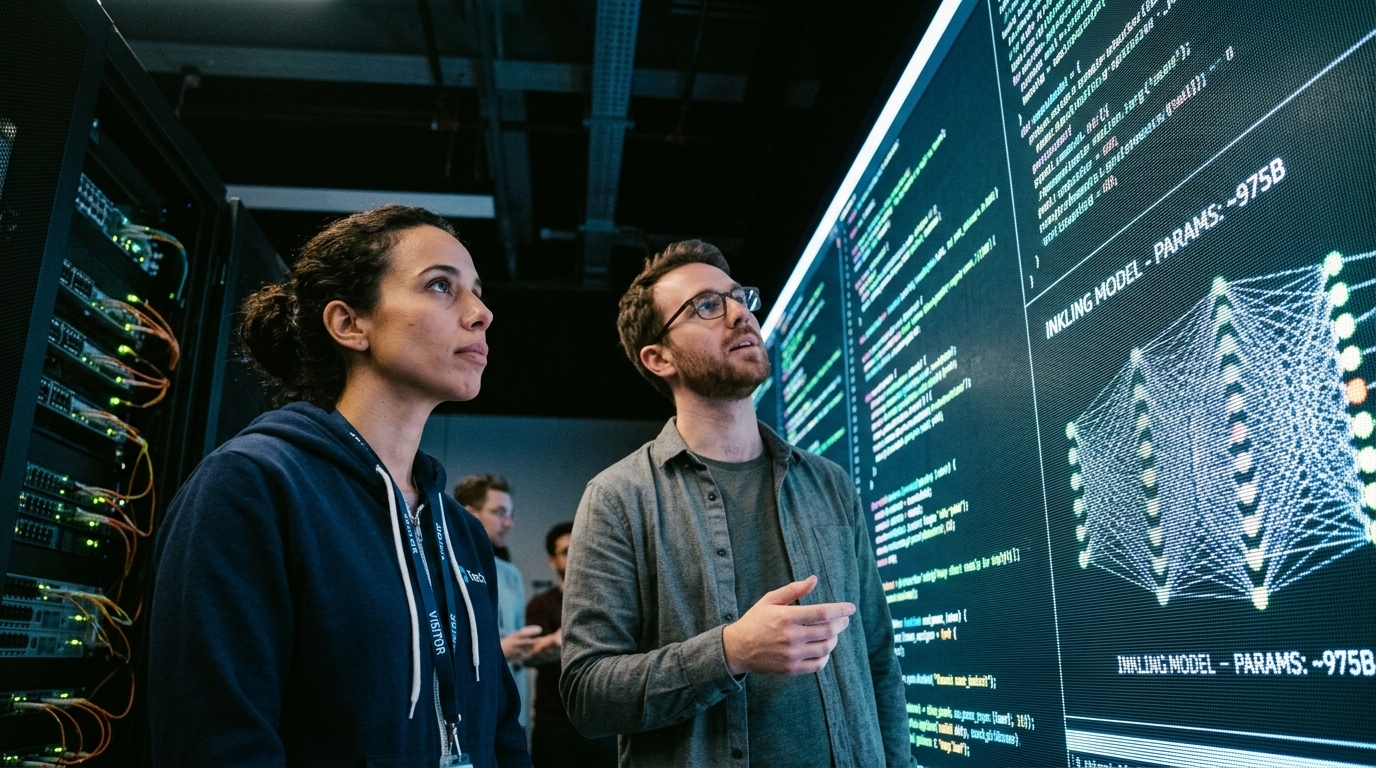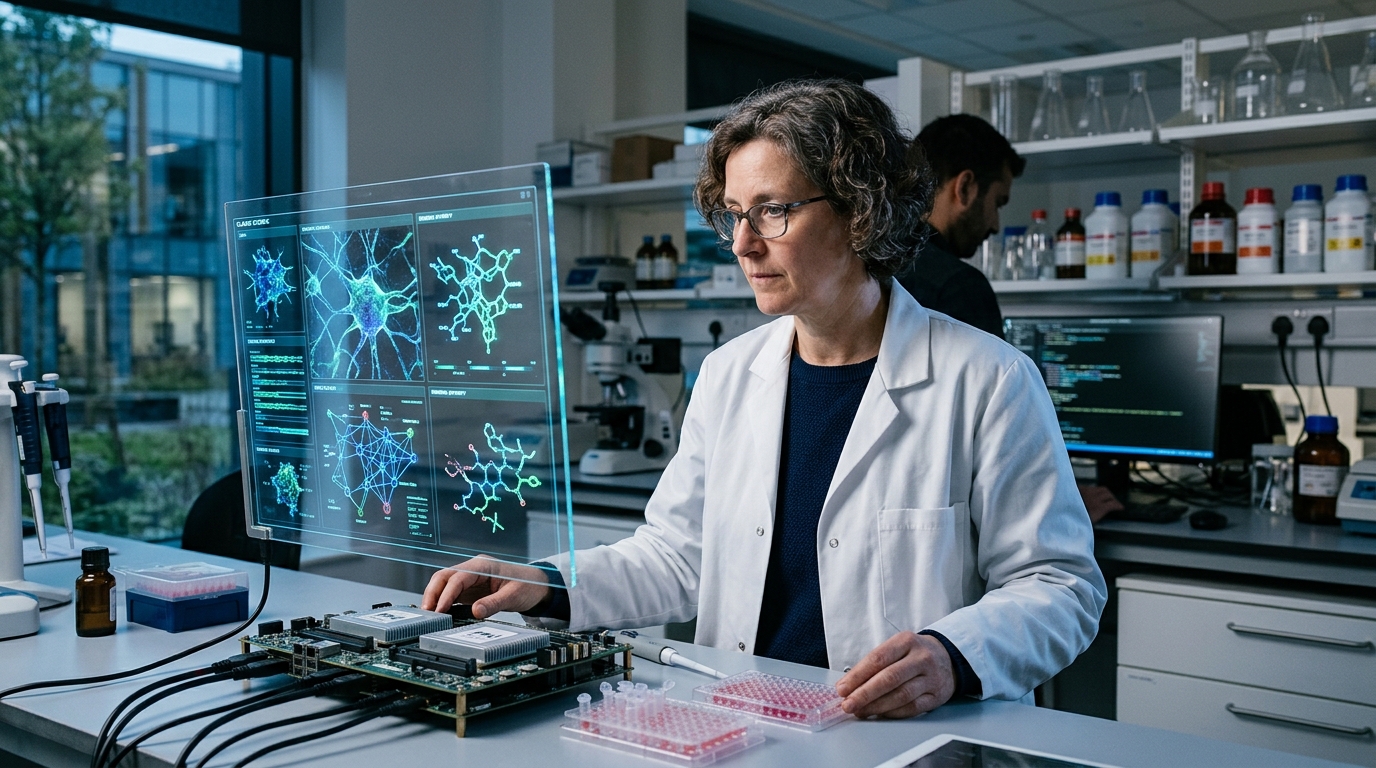
In a move that signals Artificial Intelligence's transition from general-purpose language models to high-precision specialized tools, Anthropic has announced the launch of Claude Science. This new suite of features and specialized models is aimed exclusively at the scientific community and the pharmaceutical industry. The news, first reported by STAT News, highlights the company's ambition to dominate a sector where accuracy, safety, and the management of vast datasets are of vital importance.
Specialization as a Response to Scientific Challenges
Until today, researchers used general AI models like GPT-4 or Claude 3.5 to assist with writing tasks or code analysis. However, scientific research demands more: the ability to understand complex biological structures, analyze clinical data with zero margin for error, and comply with strict regulatory frameworks. Claude Science fills this gap, featuring an expanded "context window" that allows for the simultaneous processing of hundreds of scientific papers, full clinical protocols, and massive genomic databases.
According to Anthropic, the new model has been trained on specific datasets including chemical compounds, molecular structures, and medical literature, while possessing enhanced mathematical reasoning capabilities. "Constitutional AI," Anthropic's signature safety framework, has been tailored to prevent the model from being used to create biological threats—a concern that is currently high on the agenda of governments worldwide.
"Claude Science is not just a writing assistant; it is a digital lab partner capable of connecting dots in data that would take a human mind decades to process," says a company spokesperson.
Accelerating Pharmaceutical Innovation
For the pharmaceutical industry, time is the most precious commodity. The process from discovering a molecule to gaining drug approval often takes over a decade and costs billions. Claude Science promises to drastically reduce this timeline. Its capabilities include:
- Clinical Trial Analysis: Rapid processing of trial results to identify subtle side effects or positive signals in specific patient subgroups.
- Interaction Prediction: Modeling how new chemical compounds interact with human proteins.
- Regulatory Compliance Automation: Generating drafts for the complex reports required by agencies like the FDA and EMA.
Anthropic's strategy involves partnering with major industry players, offering privacy guarantees that ensure corporate data is not used to train future models, thereby protecting intellectual property.
The Ethical Dimension and Risks
Despite the excitement, the use of AI in science is not without risks. The potential for "hallucinations"—where the model generates false but convincing data—remains a nightmare for researchers. Anthropic claims that Claude Science has significantly lower error rates in scientific queries, but the need for human verification remains imperative.
Furthermore, the issue of access arises. If cutting-edge scientific knowledge becomes a privilege only for those who can afford expensive subscriptions to these models, the gap between wealthy and poor research institutions will widen. Anthropic, however, has promised special access programs for non-profits and universities, seeking to maintain its profile as a socially responsible company.
In conclusion, Claude Science represents a bold step toward "vertical" artificial intelligence. In a world facing new pandemics and the challenge of climate change, accelerating scientific discovery through AI may be the most important legacy of this decade's technology.