Lesvos, an island that has been at the heart of the global refugee crisis for over a decade, is receiving a significant financial "breather." The Ministry of Migration and Asylum has announced the funding of projects totaling €3,140,358, aiming to strengthen infrastructure in the island's two major municipalities: the Municipality of Mytilene and the Municipality of West Lesvos. This move is part of the framework of compensatory benefits to local communities that bear the burden of managing migration flows.
Resource Allocation and Targeted Projects
The funding is not horizontal but focuses on specific needs recorded by local authorities. For the Municipality of West Lesvos, the amount of €1,940,358 is intended for upgrading the road network, restoring historical buildings, and strengthening cultural heritage. Particular emphasis is placed on areas that have suffered wear and tear due to their proximity to hosting structures or due to increased traffic from support vehicles.
On the other hand, the Municipality of Mytilene receives €1,200,000, which will be directed mainly toward athletic infrastructure and interventions within the urban fabric. The logic behind this choice is to improve the quality of life for residents, which was severely tested in previous years. Restoring stadiums and creating new recreational spaces are considered crucial steps toward restoring normalcy to the citizens' daily lives.
The Solidarity Fund as a Policy Tool
These resources come from the Ministry of Migration’s "Solidarity Fund," a mechanism created specifically to bridge the gap between the central administration and border regions. The Fund's philosophy is based on the premise that migration management is not just a matter of security or humanitarian aid, but also a matter of social justice for permanent residents.
- Improvement of road safety in rural and urban roads.
- Upgrading of athletic facilities for the island's youth.
- Protection and promotion of religious and cultural monuments.
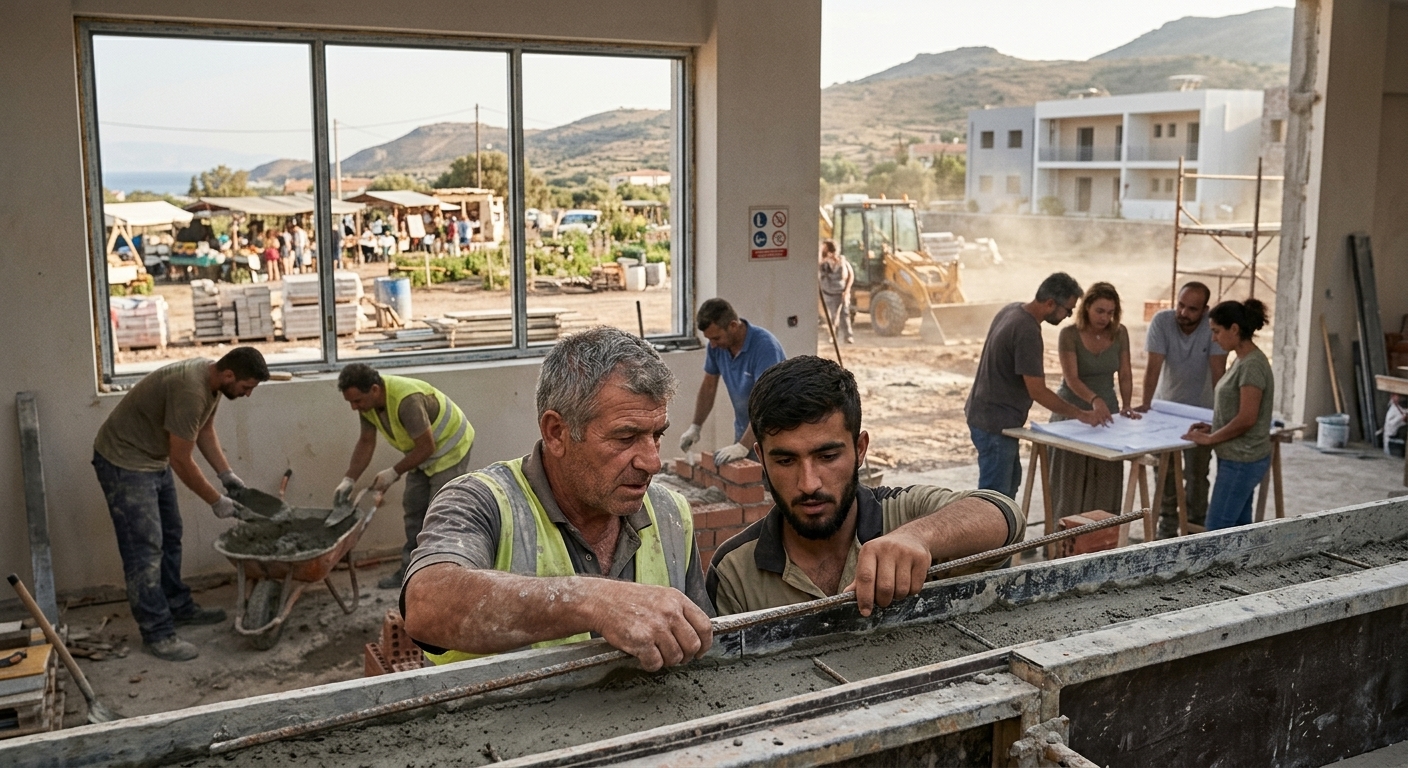
- Boosting local employment through construction projects.
This funding comes at a time when pressure on the facilities appears to be controlled, allowing the government to shift its focus from immediate crisis management to long-term development. However, residents remain cautious, as many infrastructure problems predated the migration crisis and were simply exacerbated by it.
Implementation Challenges and Social Impact
Despite the positive reception of the funds, the challenge remains the speed of absorption and the quality of the projects. The bureaucracy of Local Government Organizations often acts as a deterrent to the immediate start of works. Furthermore, there is a political dimension: the government seeks to appease reactions to the operation of the new Closed Controlled Access Centers (CCACs), demonstrating in practice that the island is not "forgotten."
"Strengthening the infrastructure of Lesvos is not a favor; it is an obligation of the state towards people who upheld the dignity of Europe," says a local government official, emphasizing the moral weight of the funding.
In conclusion, the €3.14 million represents a significant step, but not the end of the road. Lesvos needs a holistic reconstruction plan that goes beyond the limits of "compensatory benefits" and aims for sustainable tourism and economic development, freed from the stigma of the "prison island" that some tried to impose on it in the past.