At the heart of modern medicine, efficiency is not merely a matter of resource management; it is a matter of life and death. The recent publication in Nature regarding the Accurate Surgery Time Prediction (ASTP) strategy, based on Artificial Intelligence (AI) techniques, marks a turning point in how hospitals worldwide will manage their most critical infrastructure: the operating rooms (OR). The problem of delayed or underestimated surgery times is not just financial; it causes staff burnout, patient anxiety, and the cancellation of urgent cases.
Transcending Human Intuition
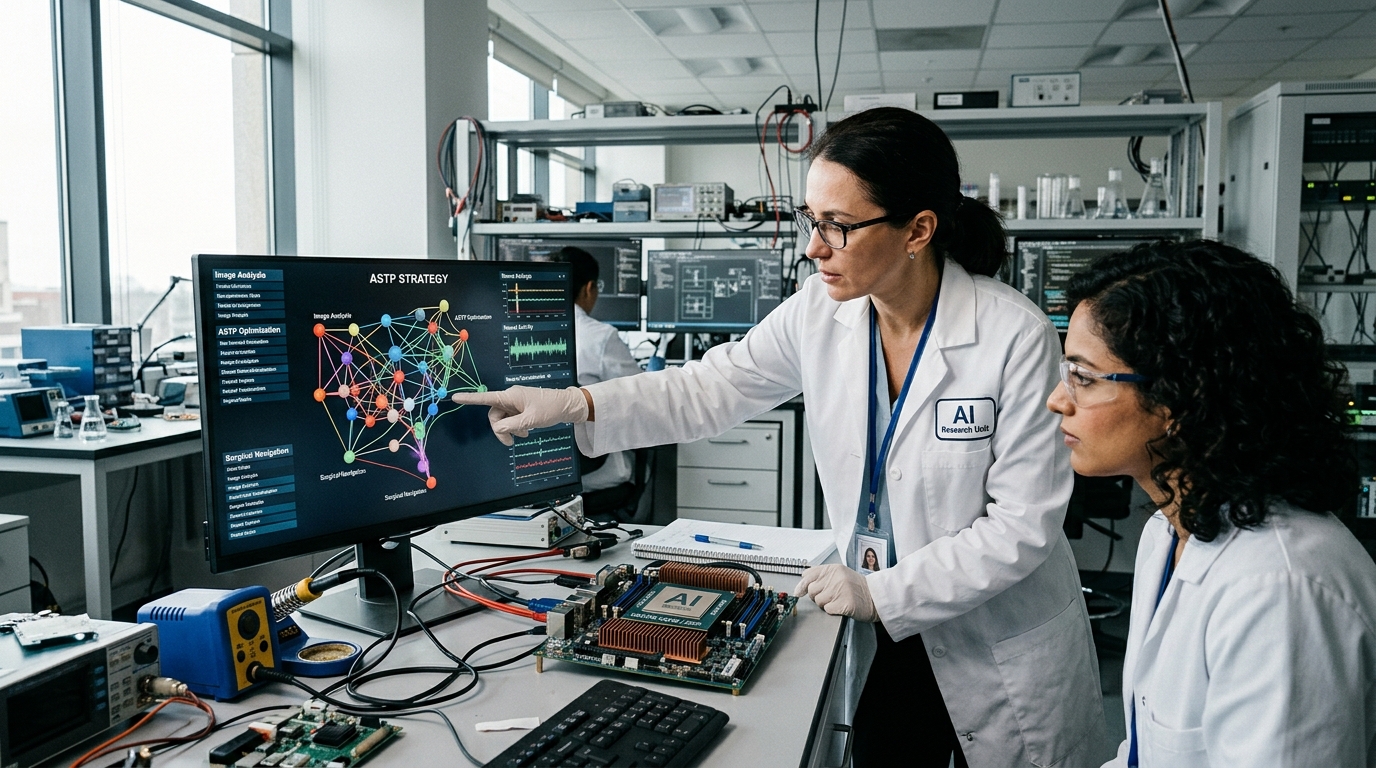
For decades, OR scheduling has relied on the empirical estimates of individual surgeons or historical averages of similar procedures. However, human intuition often falls prey to the "planning fallacy," where experts tend to be overly optimistic about the time required. The ASTP strategy analyzed in Nature utilizes advanced machine learning algorithms to process dozens of variables that the human brain cannot handle simultaneously. From the patient's medical history and Body Mass Index (BMI) to the specific surgical team's experience and the time of day, the AI model generates a dynamic prediction that drastically reduces the margin of error.
The study demonstrates that models based on Gradient Boosting and Neural Networks consistently outperform traditional methods. This occurs because AI can identify non-linear correlations. For instance, a minor comorbidity that a human might deem negligible could be recognized by the AI as a factor that increases anesthesia time by 15%, subsequently impacting the entire day's schedule. This precision translates into fewer "gaps" between surgeries and, more importantly, fewer surgical cancellations due to time constraints.
Data That Saves Time and Resources
Implementing ASTP is not just about code; it is about data collection and quality. Hospitals adopting such systems are required to fully digitize their workflows. The use of real-time data allows the system to be adaptive. If a surgery starts late due to a technical issue, the AI immediately recalculates the impact on the next ten procedures, automatically notifying patients and staff. This type of "live" management is impossible with current manual systems.
- Reduction of patient waiting times by up to 20%.
- Optimization of OR utilization by 15-30%.
- Reduction in staff overtime, combating the burnout phenomenon.
- Improved management of post-operative ICU bed availability.
Furthermore, the economic dimension is immense. The cost of operating an OR per minute is exceptionally high. Every minute an OR remains empty due to poor scheduling, or every minute a team waits pointlessly, represents a waste of resources that could have been directed toward purchasing new equipment or hiring more staff. The ASTP strategy transforms the operating room from a "black box" of uncertainty into an orchestrated process of high precision.
The Ethical Dimension and the Future of Digital Health
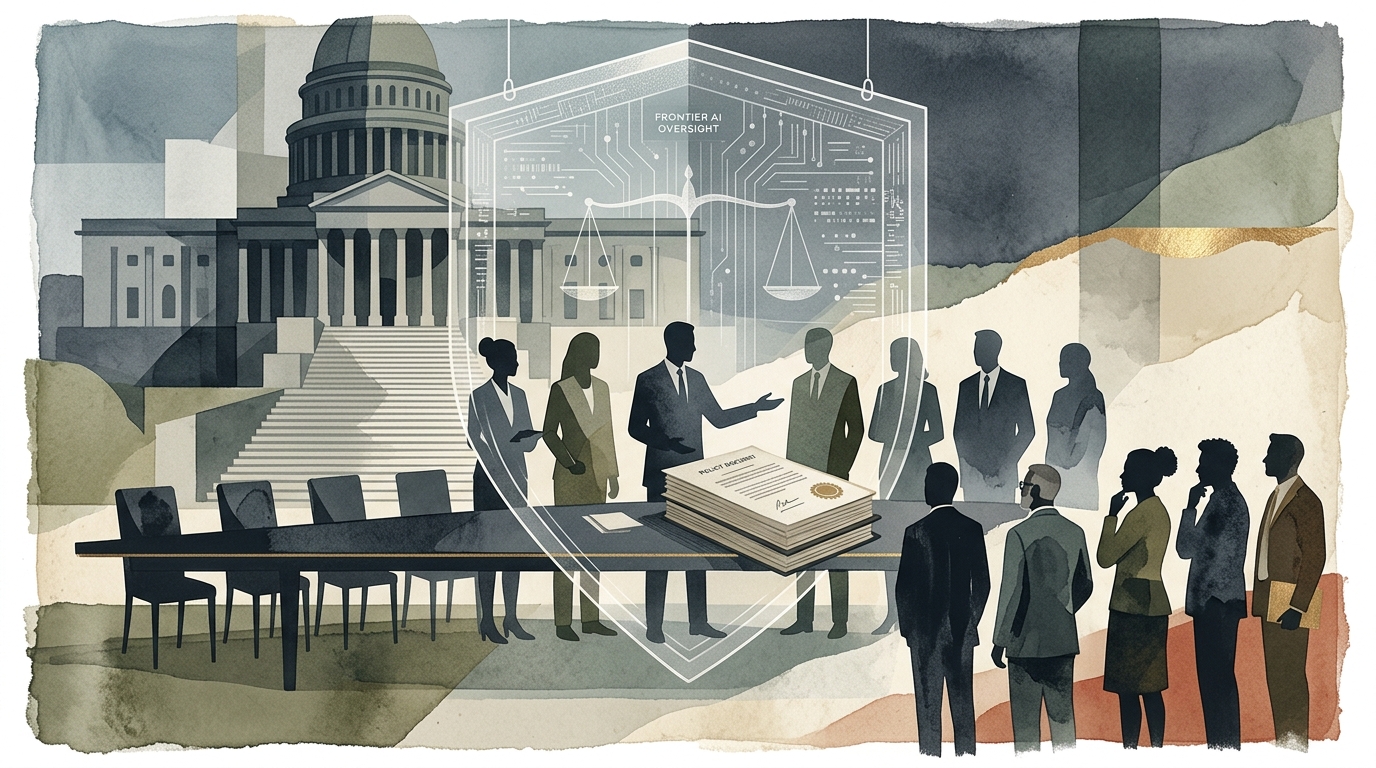
Despite the obvious benefits, introducing AI into the surgical environment raises questions. There is a risk that hospital administrations might use these predictions to pressure surgeons to work faster, sacrificing safety for efficiency. The Nature study emphasizes that ASTP should function as a support tool rather than a "digital foreman." The final decision and responsibility remain with the human professional, but AI provides the map to navigate safely.
"Artificial intelligence will not replace the surgeon, but the surgical team that uses AI will replace the one that does not," the research team notes.
In the future, the ASTP strategy is expected to integrate with wearables that monitor the patient pre-operatively, providing even more accurate data on their condition. The transition to the "Smart Hospital" is now a reality, and accurate time prediction is the first and perhaps most critical step toward a more humanized and efficient healthcare system in the 21st century.