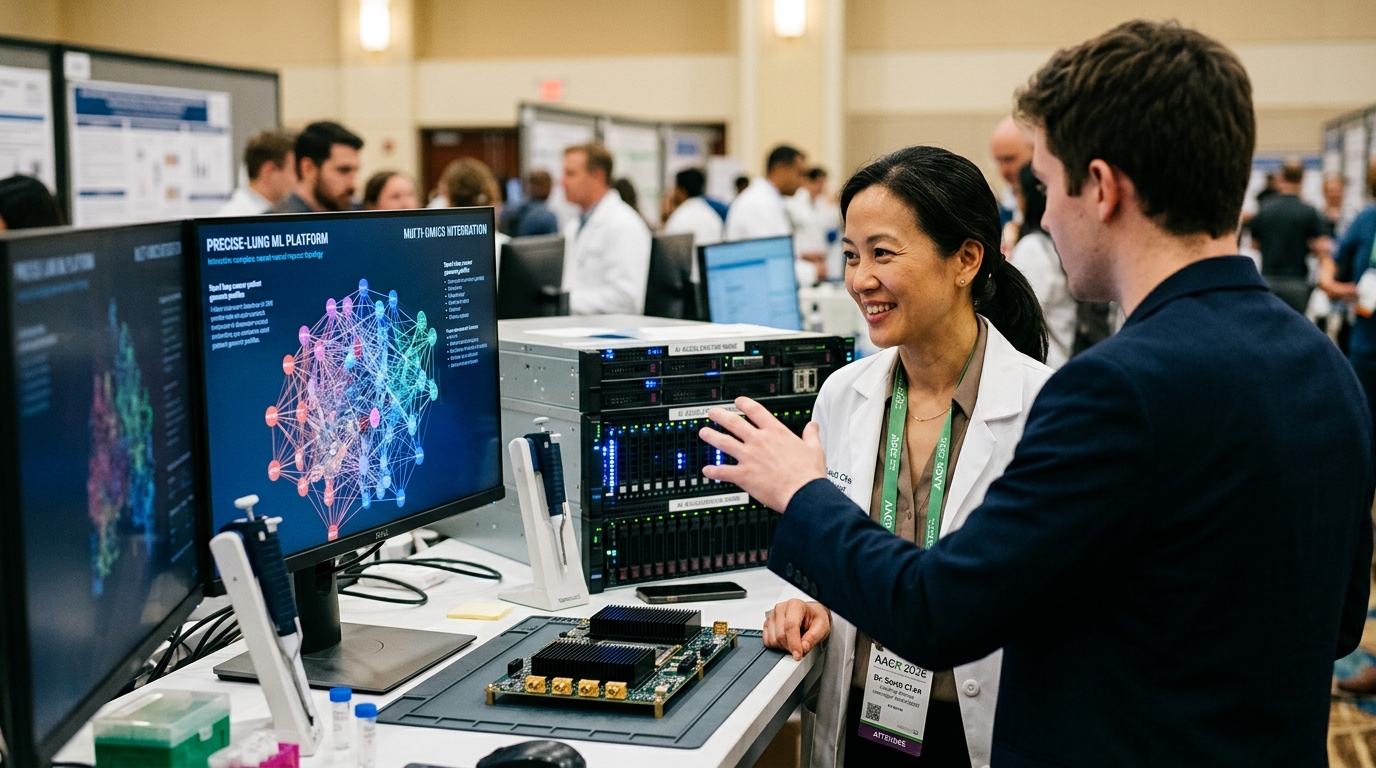
The annual meeting of the American Association for Cancer Research (AACR) has long been the epicenter for groundbreaking discoveries in oncology. However, 2026 marks a historic pivot: the conversation has shifted from discovering new molecules to mastering the orchestration of existing therapies through Artificial Intelligence (AI). The unveiling of a new machine learning platform tailored for Non-Small Cell Lung Cancer (NSCLC) promises to dismantle the clinical "trial and error" paradigm that has long defined patient care.
The Precision Medicine Imperative
Lung cancer remains the leading cause of oncological mortality worldwide. Despite the immunotherapy revolution of the past decade, a sobering reality persists: only a minority of patients experience long-term benefits. For the non-responders, these treatments represent a double-edged sword—offering no clinical improvement while potentially inducing severe immune-related toxicities and consuming finite healthcare resources.
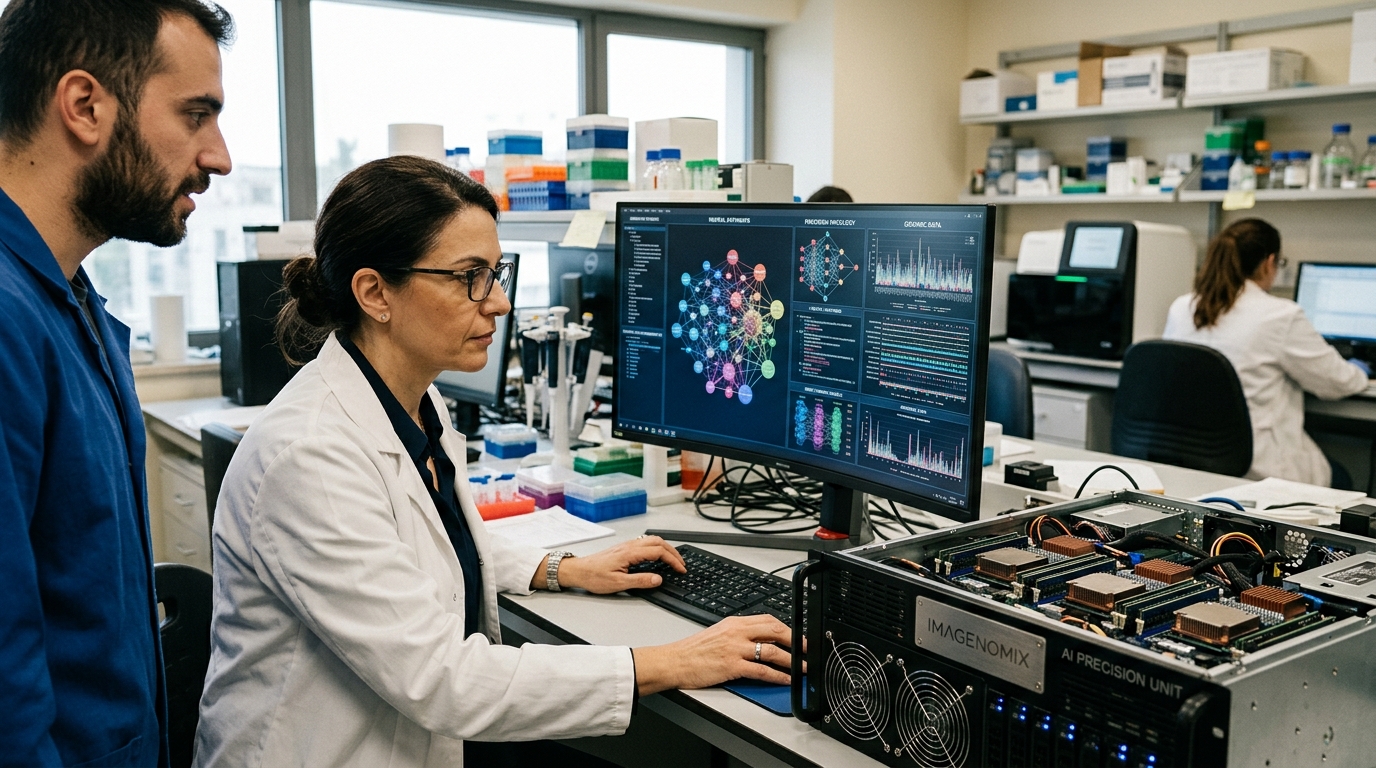
The newly presented platform, developed by a global consortium of data scientists and oncologists, leverages sophisticated machine learning to ingest and synthesize multi-modal patient data. Unlike previous attempts that focused on single biomarkers, this system integrates genomic sequencing, radiomic features from CT and PET scans, and digital pathology slides into a cohesive predictive model.
Decoding the Tumor Microenvironment
The strength of this platform lies in its "multimodal learning" architecture. By processing diverse data streams simultaneously, the algorithm identifies patterns invisible to the human eye or traditional statistics. For instance, it can correlate a specific genetic mutation with subtle textural changes in a tumor's imaging profile, providing a more holistic view of the cancer's biology.
"We are moving beyond the search for a single 'magic bullet' biomarker. Our goal is to model the dynamic interface between the tumor and the host's immune system," noted a lead researcher during the AACR plenary session.
In validation cohorts, the platform demonstrated an impressive accuracy rate exceeding 85% in predicting which patients would achieve a partial or complete response to chemo-immunotherapy combinations. This significantly outperforms current clinical standards, such as PD-L1 expression levels, which are notoriously imperfect predictors of success.
Economic and Ethical Implications
The integration of AI into the oncology workflow carries profound economic weight. Modern immunotherapies can cost upwards of $100,000 per year. By accurately identifying non-responders before treatment begins, healthcare systems can redirect those funds toward alternative therapies or clinical trials, while sparing patients the physical toll of ineffective treatment. This "financial toxicity" is a growing concern in global health policy.
However, the rise of the "digital oncologist" is not without controversy. Ethical questions regarding algorithmic bias and accountability are front and center. If a machine learning model incorrectly suggests a patient will not respond to a life-saving drug, who is liable? Furthermore, ensuring that the training datasets include diverse ethnic and socioeconomic backgrounds is crucial to prevent the widening of health disparities.
The Path Ahead: Toward Real-Time Adaptation
The platform showcased at AACR 2026 is a precursor to a more ambitious future. Researchers envision a "closed-loop" system where AI monitors a patient's progress through serial liquid biopsies. As the cancer evolves to evade treatment, the algorithm could theoretically suggest therapeutic pivots in real-time, staying one step ahead of the disease's resistance mechanisms.
Ultimately, the fusion of computational power and biological insight is transforming oncology into a true precision science. For patients facing a diagnosis of lung cancer, this machine learning breakthrough represents more than just a technological milestone; it is a vital step toward a future where every treatment plan is as unique as the patient it serves.