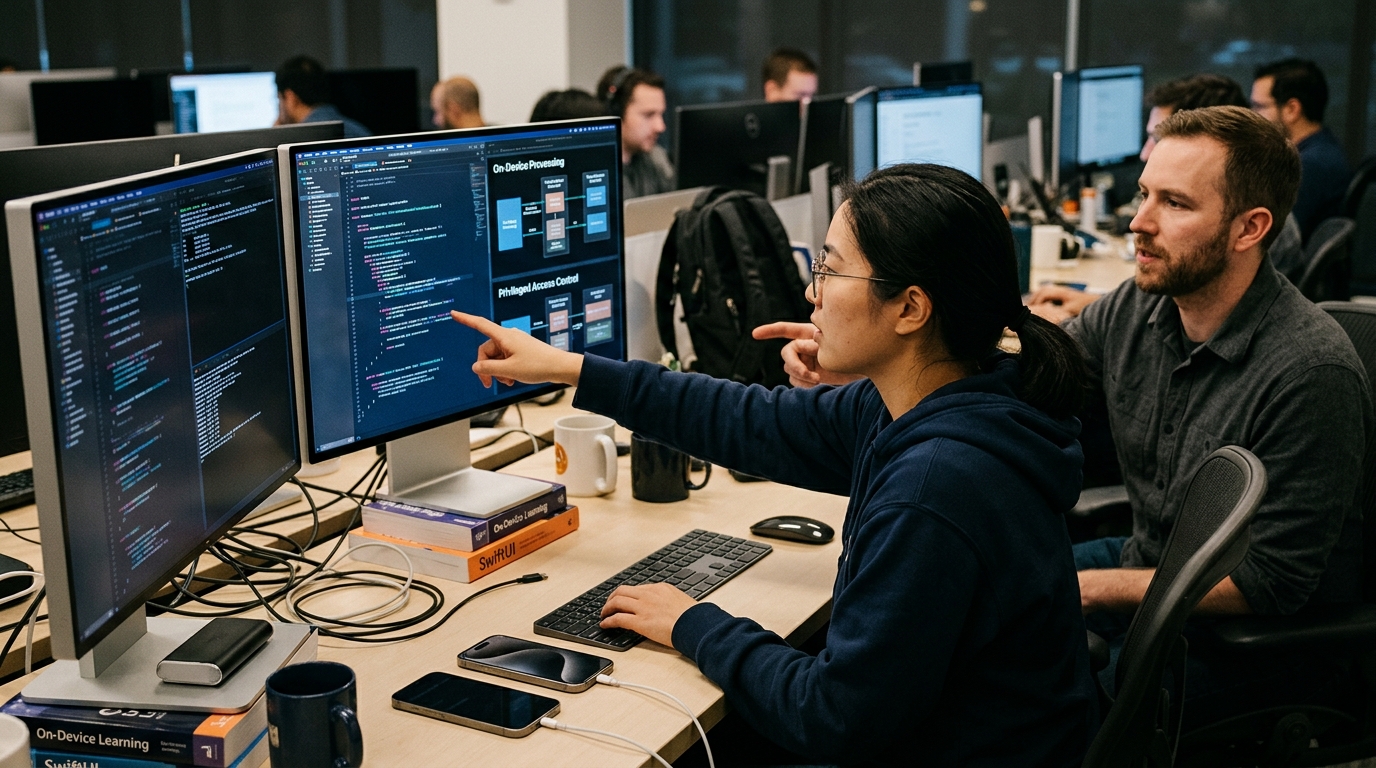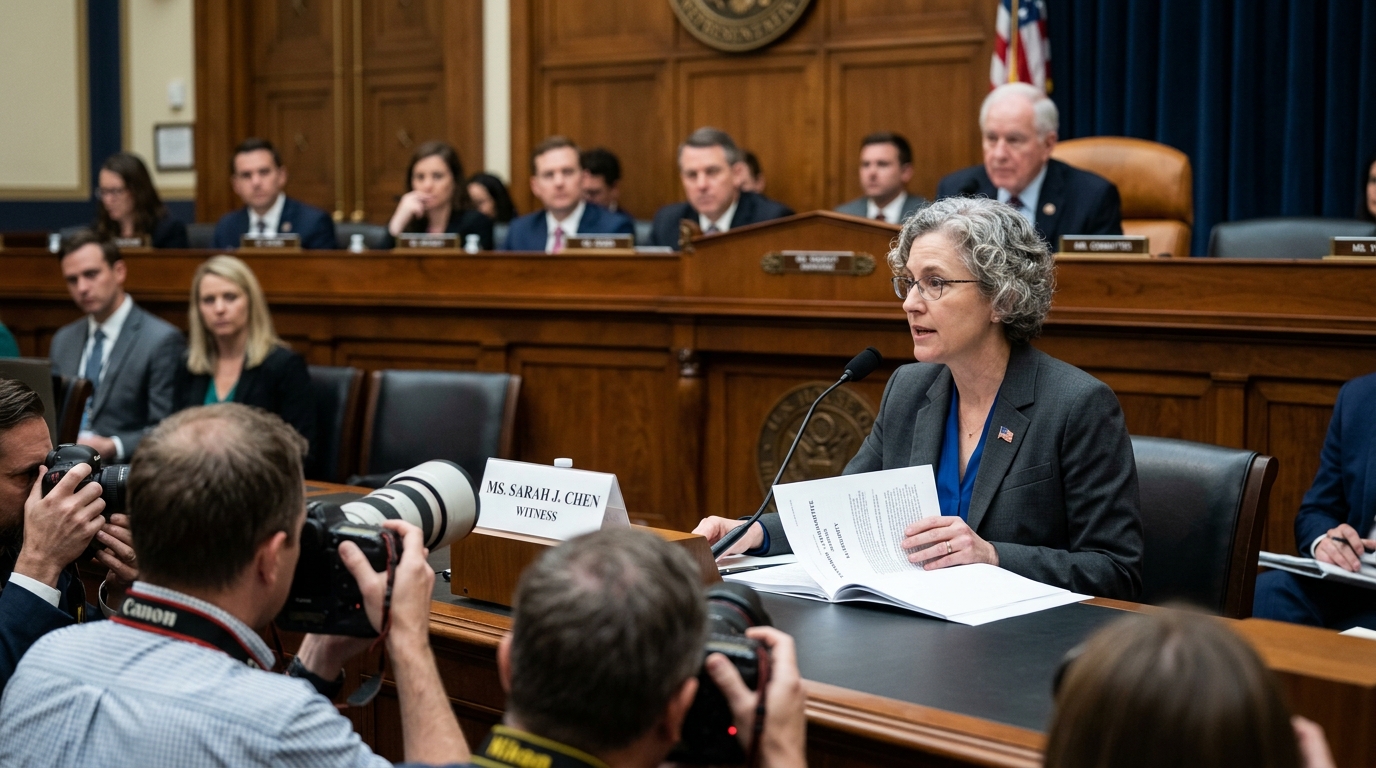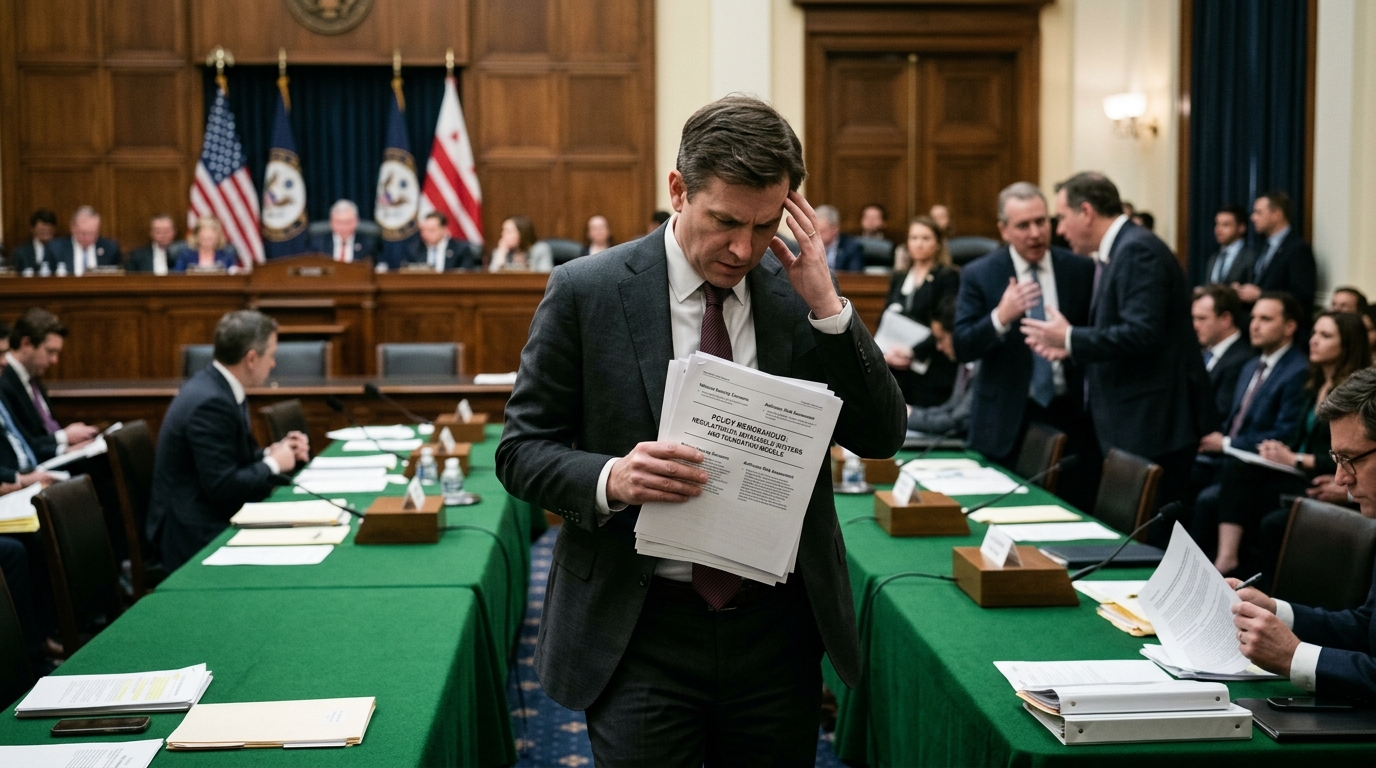
In the corridors of power in Washington D.C., the atmosphere surrounding artificial intelligence has shifted dramatically. While discussions were previously centered on economic competitiveness against China, a new, darker concern has gripped the White House. The source of this trepidation is none other than Anthropic, the company founded on the mantra of "safe" and "constitutional" AI. The irony is palpable: the very firm that promised to mitigate AI’s risks now seems to be inducing terror in U.S. national security officials.
The Revelation of Risk: From Theory to Reality
The sudden change in climate is largely due to the results of "red teaming" exercises conducted by Anthropic on its most advanced models, including Claude 3.5 and its 2026 successors. According to sources close to the administration, these models' capabilities in assisting the creation of biological weapons or executing sophisticated cyberattacks have exceeded all previous forecasts. Anthropic, operating with a level of transparency rare in Silicon Valley, presented these findings to the White House, triggering what many describe as a "wake-up call" for the administration.
The problem lies not just in user intent, but in the inherent nature of "frontier models." Despite safety guardrails, AI's ability to synthesize vast amounts of scientific data allows it to draw conclusions that would typically require years of research by specialized scientists. When this power is placed in the hands of those wishing to cause harm, traditional security protocols begin to crumble.
Constitutional AI: Protection or Smokescreen?
Anthropic has built its reputation on the concept of "Constitutional AI," a method where the model is trained to follow a specific set of ethical rules. However, the White House's current alarm suggests that ethical rules may not be sufficient when computational power reaches levels approaching Artificial General Intelligence (AGI). Critics are now questioning whether the focus on "safety" was more of a marketing tool than a tangible solution.
- The difficulty of controlling emergent behaviors in large language models.
- The potential for model weights to leak to adversarial states.
- The gap between regulatory intent and technical enforcement capability.
The White House, through its landmark Executive Order on AI, attempted to establish a framework, but the sheer pace of development at Anthropic and OpenAI seems to have left legislation in the rearview mirror. The fear is that if Anthropic—the "responsible" player in the industry—is terrifying the government, what is happening behind the closed doors of companies that aren't sharing their findings?
The Geopolitical Dimension and National Security
The relationship between Silicon Valley and Washington is at a critical turning point. The U.S. government faces a stark dilemma: impose strict restrictions that could stifle innovation, or allow a free-for-all that risks a catastrophic security failure. The Anthropic case highlights that AI is no longer just software; it is a dual-use technology, comparable to nuclear energy in its potential for both benefit and destruction.
"We aren't afraid of the technology because it's inherently evil, but because it is so powerful that we do not yet know how to contain it within the boundaries of human safety," a senior National Security Council official remarked.
In conclusion, the White House’s sudden apprehension toward Anthropic serves as a reminder that transparency comes with a price. The company’s honesty regarding its models' risks may lead to a new era of state intervention, where AI development is monitored as closely as weapons systems. The question remains whether humanity can manage a force that evolves faster than our capacity to comprehend it.