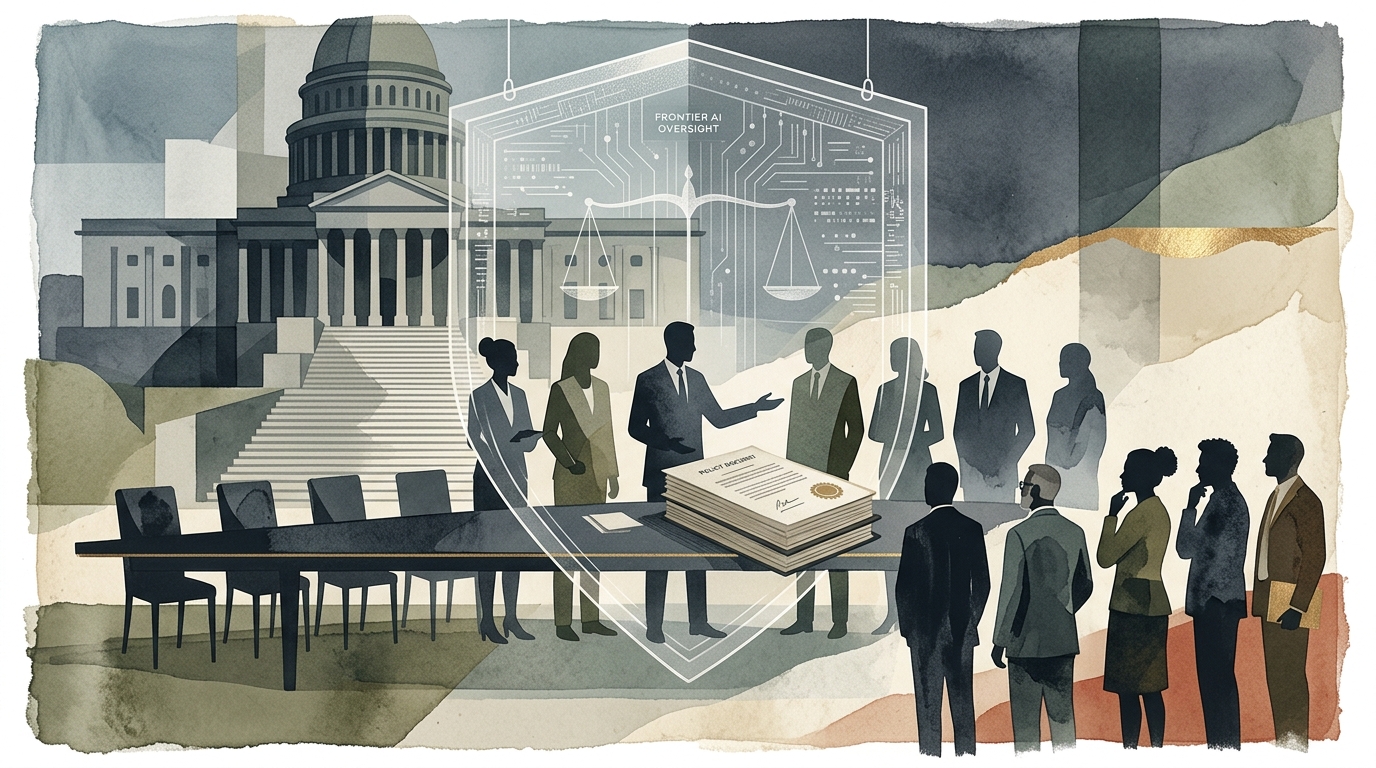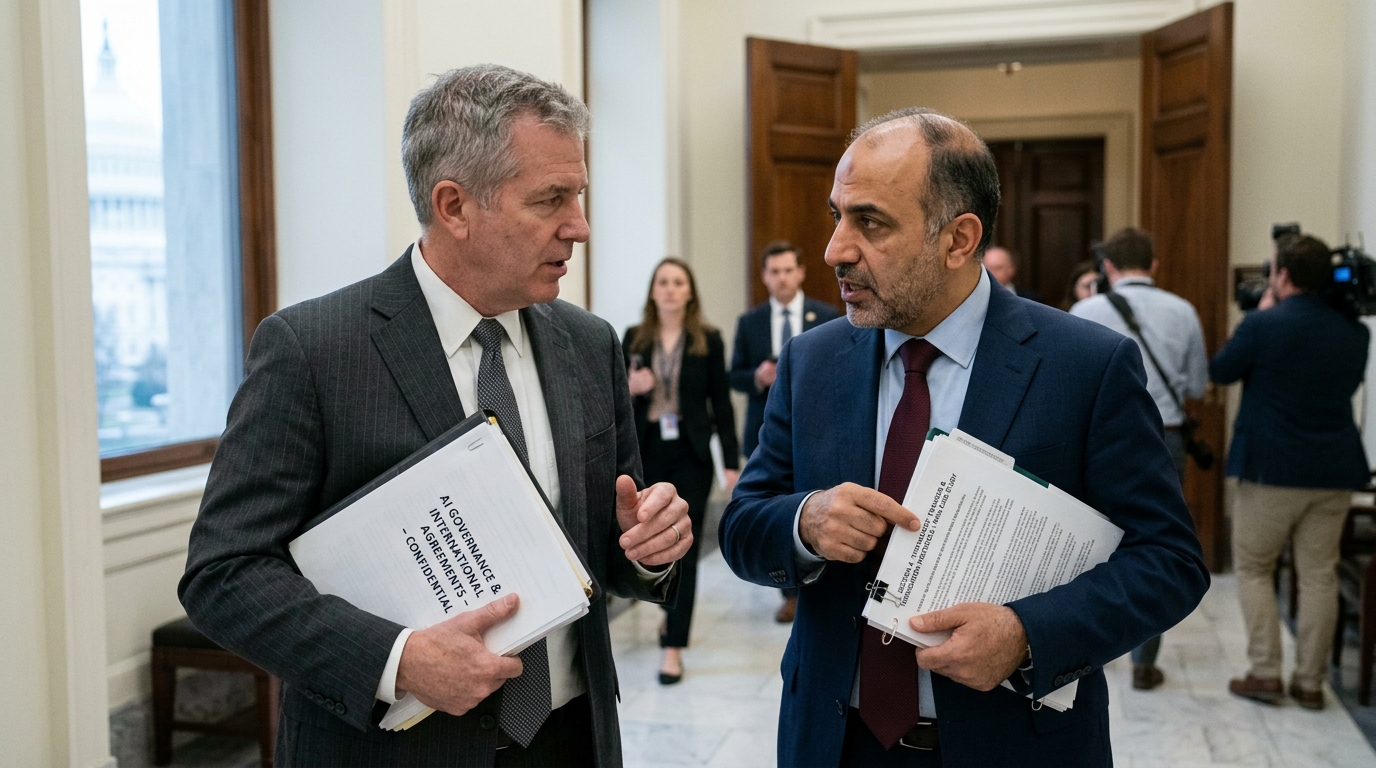
In the corridors of power in Washington, the summer of 2026 marks a historic turning point where geopolitics and technological supremacy converge in an unprecedented manner. The recent news of a looming agreement between the United States and Iran, which includes strict rules for the development and use of Artificial Intelligence (AI), is not merely a bilateral treaty; it is the first blueprint of a new world order where algorithms carry the same weight as nuclear arsenals.
AI as a Diplomatic Bargaining Chip
For decades, negotiations with Tehran focused almost exclusively on uranium enrichment and ballistic capabilities. However, the rapid evolution of Large Language Models (LLMs) and autonomous combat systems has fundamentally shifted the paradigm. The US administration, recognizing that AI can function as a power multiplier in cyber warfare and propaganda, has made the acceptance of a "responsible AI development" framework a prerequisite for lifting specific economic sanctions on Iran.
This framework, dubbed the "Washington Policy Pulse," stipulates a ban on using advanced processors for military model training and the installation of "digital inspectors" to monitor the computing power of Iranian data centers. It is a digital iteration of the Nuclear Non-Proliferation Treaty (NPT), meticulously tailored for the silicon age.
New Rules and the Startup Ecosystem
The connection of this deal with StartupHub.ai highlights the critical role private enterprise plays in this geopolitical chess game. These new rules do not just affect nation-states; they transform the business landscape. American startups operating in cybersecurity and data analytics are now required to comply with a new web of export controls. Washington is making it clear: exporting code is now considered as sensitive as exporting military hardware.
- Restrictions on cloud infrastructure access for entities linked to the Iranian state.
- Mandatory reporting for any AI model exceeding a specific parameter threshold.
- The creation of a "White List" of approved partners for developing dual-use technologies.
This development creates an environment of uncertainty for tech companies, as the line between commercial and military use of AI becomes increasingly blurred. A startup developing algorithms for traffic optimization could, with minimal modifications, be repurposed to coordinate drone swarms. The regulatory burden is shifting from the laboratory to the legal department.
International Reaction and Inherent Risks
While Washington presents the deal as a step toward global security, many analysts remain skeptical. China and Russia are monitoring the situation closely, fearing that the US is using "AI rules" as a pretext to maintain its technological monopoly. Furthermore, there is the risk that pressuring Iran might push it into even closer cooperation with Beijing to acquire hardware that falls outside Western control.
"Technology is no longer the backdrop of diplomacy; it is the very object of diplomacy. Whoever controls the rules of intelligence, controls the future of sovereignty," a senior State Department official remarked.
In conclusion, the US-Iran AI deal is a high-stakes experiment. If successful, it will serve as the template for future agreements with other nations. If it fails, it risks accelerating an AI arms race that will be far more difficult to contain than any nuclear threat of the past. Washington is betting on the power of its rules, but in an open-source world, enforcing those rules remains the ultimate challenge. The policy pulse in D.C. is beating fast, and the world is watching to see if this digital containment strategy can actually hold.