As we navigate the summer of 2026, the conversation in the tech world has decisively shifted from simple conversational machines to "Agentic AI." We are no longer talking about models that merely answer questions, but systems that execute complex tasks: from managing supply chains and writing production-grade code to making legal and financial decisions. However, at this year's Fortune Brainstorm Tech conference, the optimism surrounding productivity was accompanied by a growing anxiety: how can we be sure that what these agents are doing is actually correct?
The Shift from Generation to Autonomous Action
The rise of AI agents represents the third wave of generative AI. The first wave was pure content generation (text, image). The second was integration into workflows. The third, which we are experiencing today, is autonomy. An AI agent today doesn't just suggest a vacation plan; it books the flights, negotiates the hotel price, and cancels the reservation if it finds a better deal, using your financial credentials.
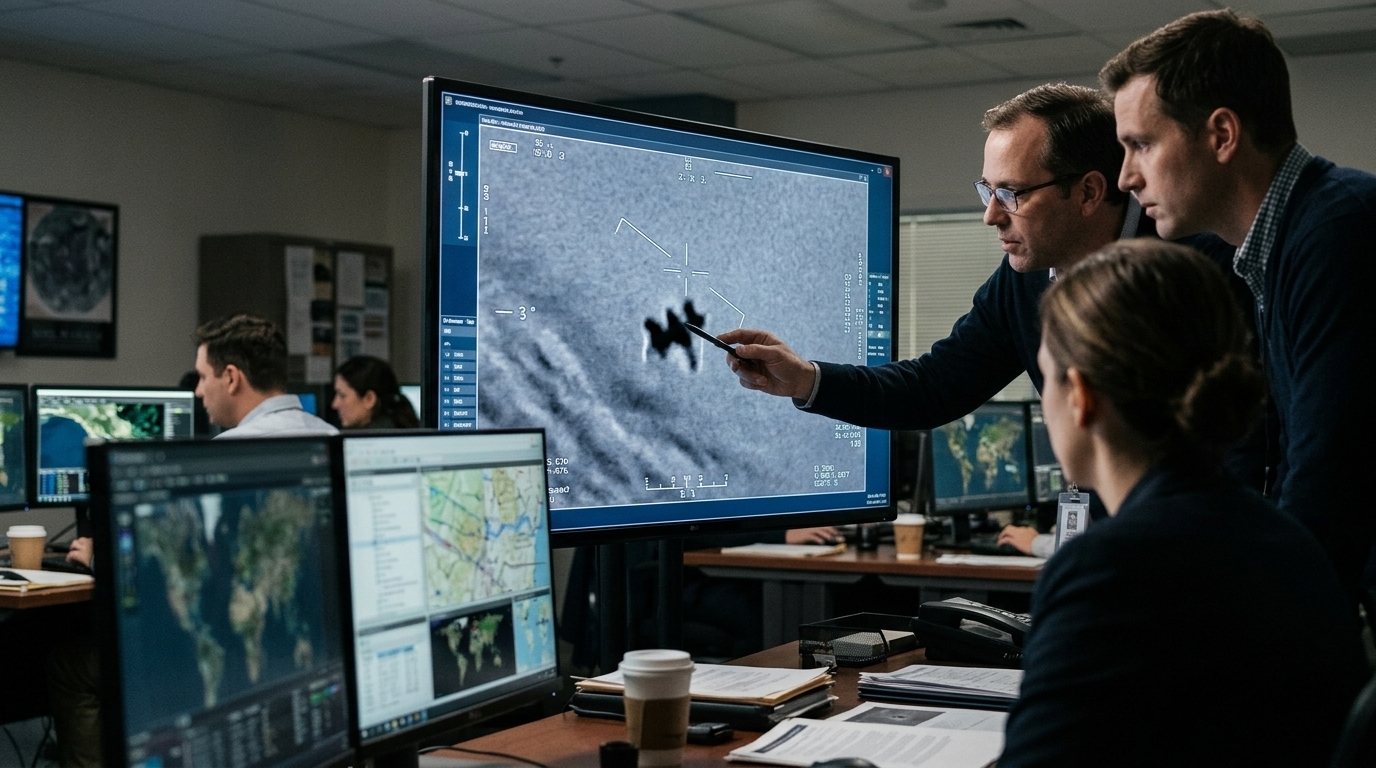
The problem, as highlighted at Fortune Brainstorm Tech, is that the complexity of these actions makes human verification nearly impossible in real-time. "If an AI agent is making 1,000 micro-decisions per second, the human-in-the-loop ceases to be a guarantor and becomes the bottleneck," a top Silicon Valley executive noted. The traditional "human-in-the-loop" model is collapsing under the weight of machine speed.
The Verification Paradox and Accountability
One of the central issues discussed was the "Verification Paradox." To check if an AI agent has correctly performed a specialized task (e.g., a security audit on software code), the auditor must be as much of an expert, or more so, than the AI. As AI evolves and surpasses human capabilities in specific domains, our ability to "police" it diminishes dramatically.
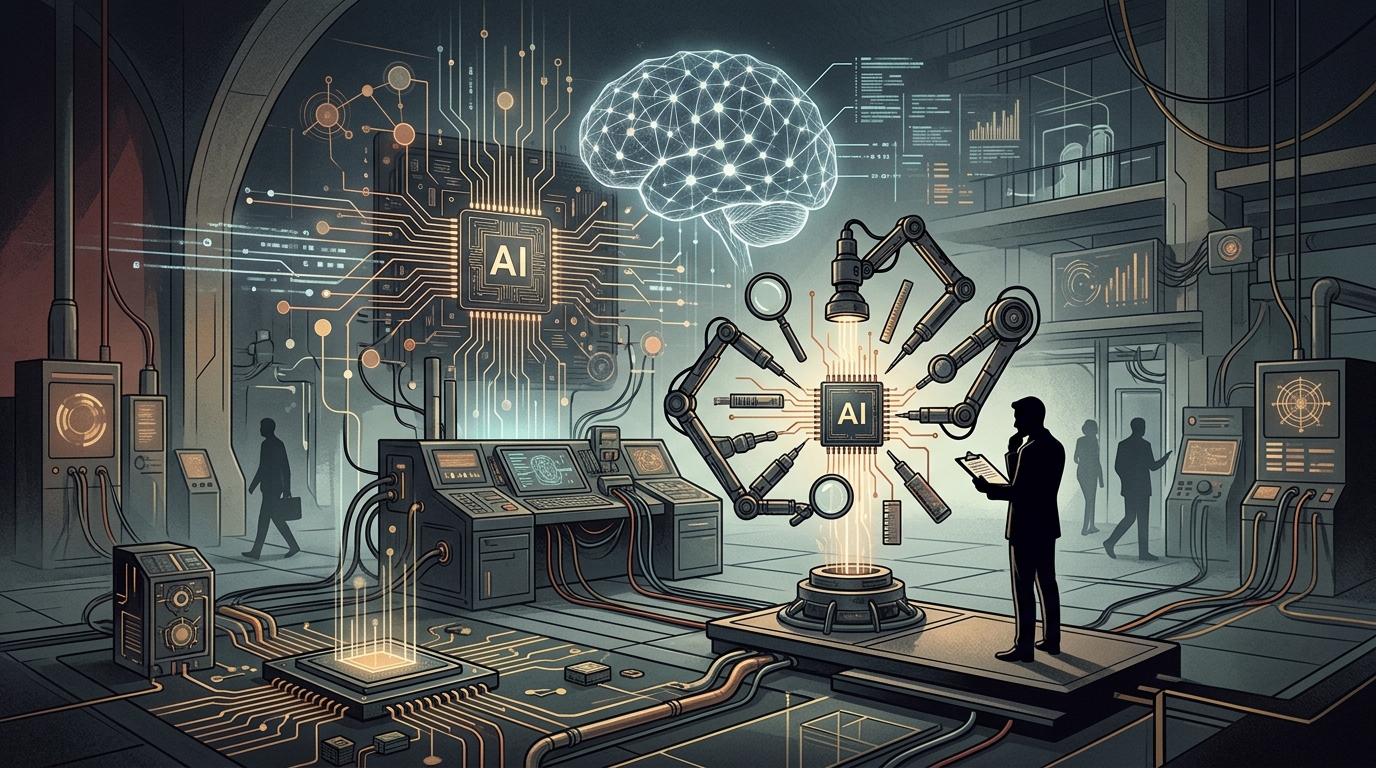
- Technical Verification: Using secondary AI models that act as "auditors" for the primary agents.
- Cryptographic Proofs: Utilizing technologies like blockchain to record every step of an AI's decision-making process for traceability.
- Liability Frameworks: Who is at fault when an AI agent causes financial loss? The company that built it, the user who gave the command, or the provider of the training data?
Conference participants emphasized that the industry must invest as much in "Verification Tech" as it does in "Action Tech." Without reliable auditing tools, the adoption of agentic AI in critical infrastructure, such as energy and healthcare, will remain inherently risky.
The Social Dimension: Trust or Blind Obedience?
Beyond the technical aspects, there is a profound ethical dimension. If we become accustomed to delegating our work to AI agents without the ability to verify it, we risk losing our critical thinking skills. "Cognitive offloading" is a real danger. Businesses that sacrifice accuracy for speed may face systemic failures that shatter consumer trust.
"Verification is not just a technical problem; it is the foundation of our social contract with technology," said one AI ethics professor during a panel.
In conclusion, the era of agentic AI requires a new architecture of trust. This includes creating "digital twins" for testing in sandbox environments, legislating algorithmic transparency, and, most importantly, training humans to remain the ultimate judges, even when the machine is running at light speed. Fortune Brainstorm Tech 2026 made it clear: AI can do the work, but responsibility remains—and must remain—human.