In an era where digital information serves as the oxygen of democracy, Artificial Intelligence (AI) appears to be poisoning the well. The recent warning from Vietnam, a nation attempting to balance technological growth with strict information control, reflects a global concern: disinformation is no longer a manual operation but a high-precision industrialized process. The year 2026 finds humanity at a critical crossroads, where the distinction between reality and synthetic fabrication is becoming nearly impossible for the average citizen to discern.
The Democratization of Deception
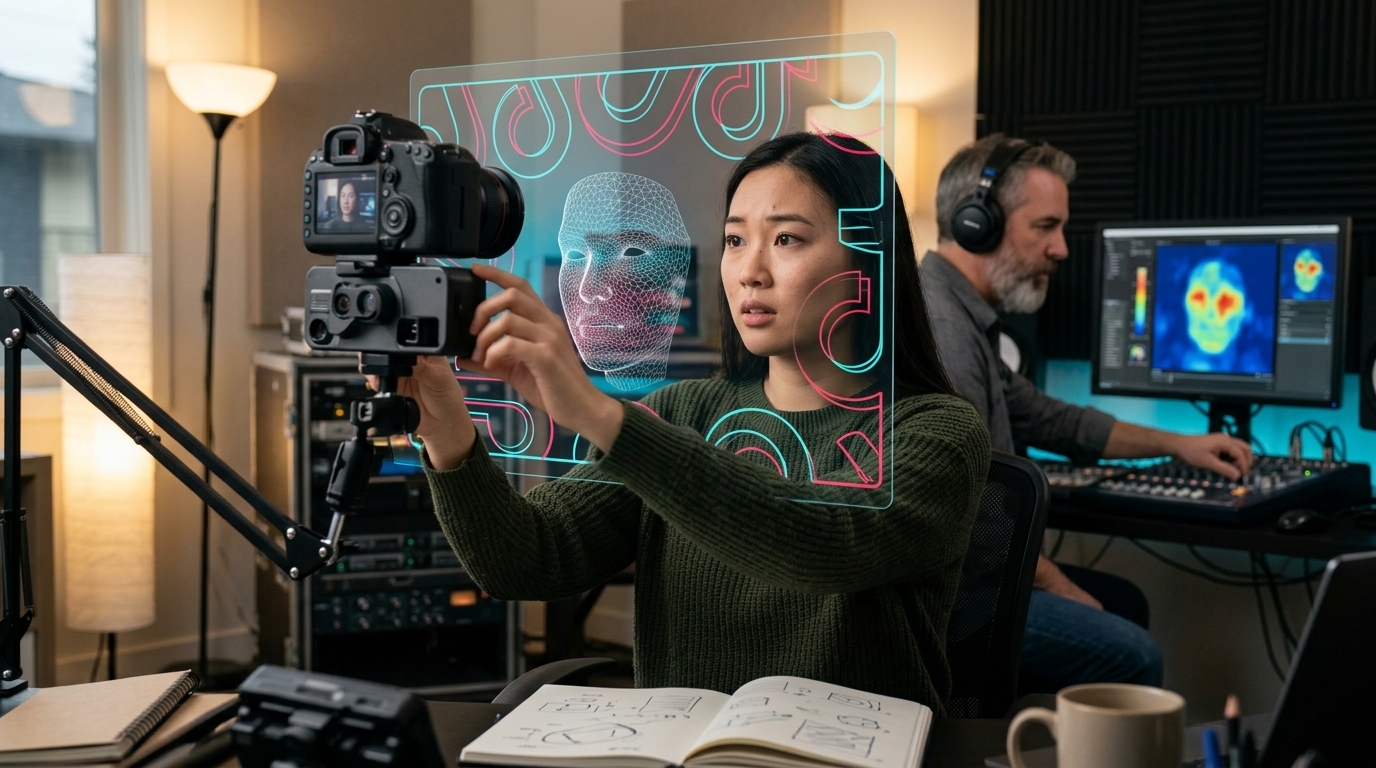
The Generative AI revolution has reduced the cost of producing convincing content to near-zero levels. While in the past a disinformation campaign required armies of "trolls" and specialized graphic designers, today a single actor can generate thousands of articles, deepfake videos, and audio clips within minutes. This "democratization" means that tools intended for creativity are now being weaponized for psychological warfare.
- Deepfakes: Videos showing leaders saying things they never uttered.
- Synthetic Voice: Scam calls mimicking familiar faces or officials.
- Automated Bots: Social media accounts flooding public discourse with fabricated narratives.
The problem is exacerbated by the tendency of AI models to "hallucinate," presenting inaccurate data with absolute confidence. When these errors are combined with malicious intent, the result is a toxic mix that erodes trust in institutions.
Political Instability and Electoral Processes
2026 is a year of critical electoral contests worldwide. The use of AI to influence voters has reached a new level of sophistication. It is no longer just about fake news, but about creating "alternative realities." Social media algorithms, designed to maximize engagement, tend to promote content that triggers anger or fear—exactly the kind of content AI can produce en masse.
"AI-driven disinformation doesn't just aim to convince people of a lie, but to make them stop believing in any truth at all," say digital security analysts.
In the case of Vietnam and other developing economies, the threat also takes on national dimensions. Cybersecurity is inextricably linked to social cohesion. The ease with which ethnic or religious tensions can be stoked through fabricated content represents an existential risk for multicultural societies.
Technological Responses and Regulatory Limits
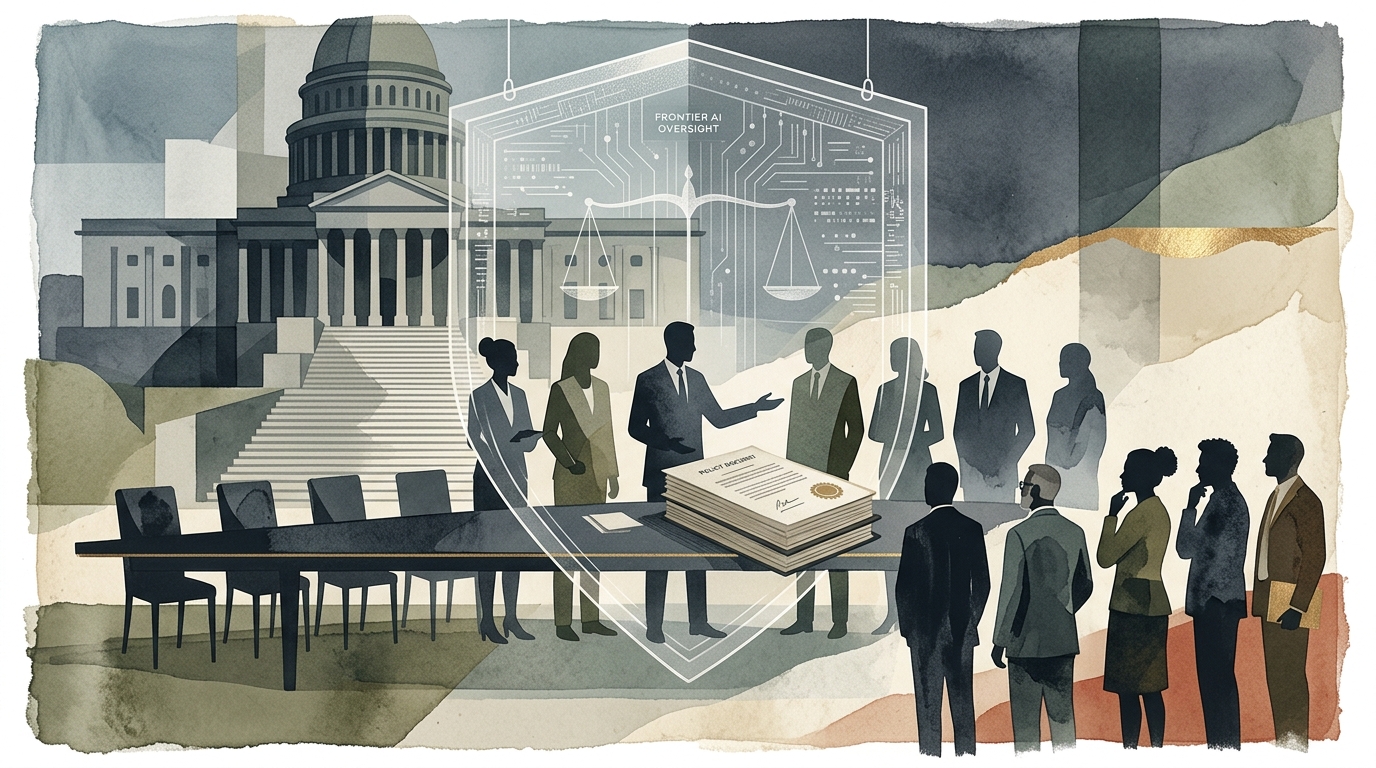
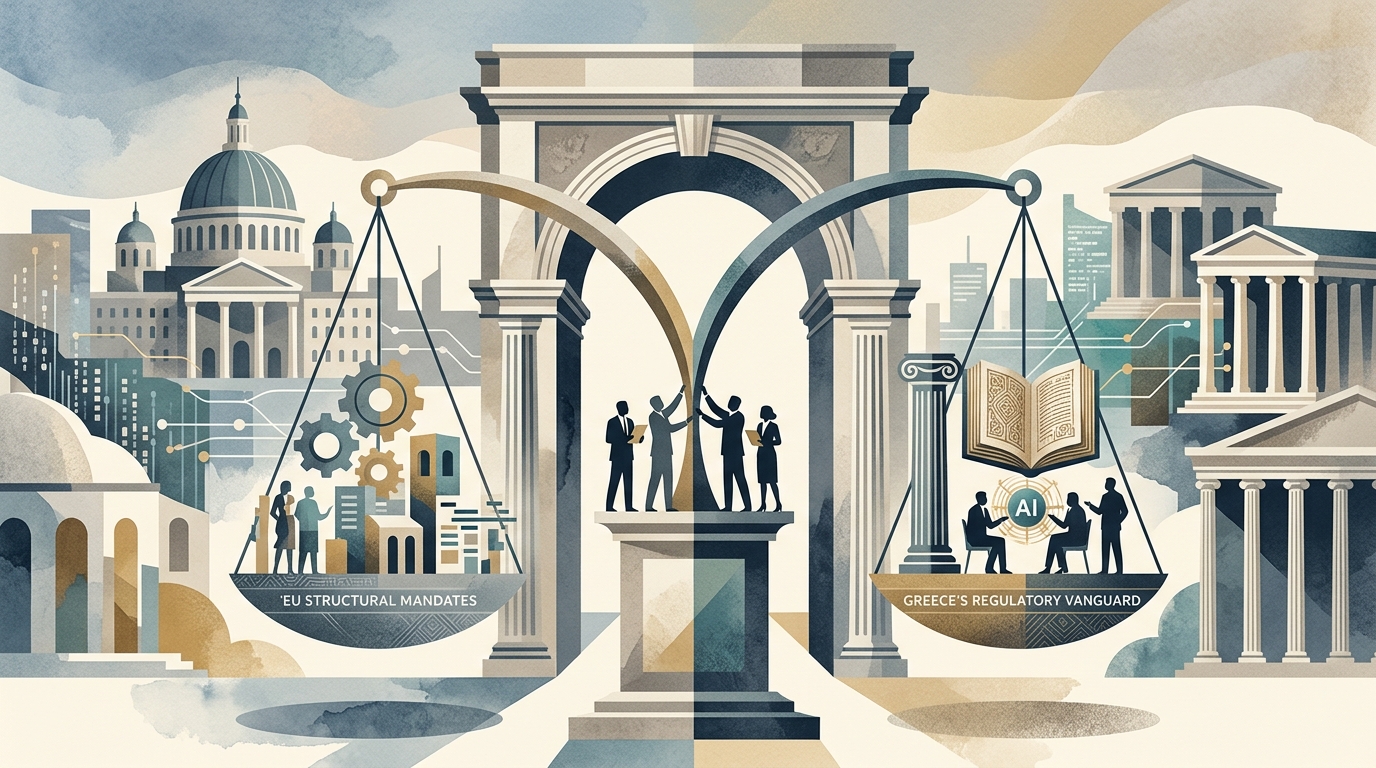
Faced with this storm, the European Union with the AI Act and other international initiatives are attempting to set rules. Mandatory watermarking of AI-generated content is a first step, but experts warn that malicious actors will simply use open-source models without such restrictions. The technological "arms race" between those creating deepfakes and those trying to detect them is relentless.
Furthermore, there is the risk of over-regulation. Many governments, under the pretext of fighting disinformation, may impose censorship or restrict freedom of speech. The thin line between protecting the truth and suppressing dissent is becoming increasingly blurred in the digital age.
Toward a New Social Contract for Truth
The ultimate defense against AI disinformation is not technological, but human. Cultivating critical thinking and digital literacy is more essential than ever. Citizens must learn to question the source, cross-reference information, and understand algorithmic mechanisms. Journalism, too, must return to its roots: painstaking verification and ethical responsibility, acting as a fortress against the ocean of synthetic noise.
In conclusion, the warning from Vietnam is a reminder that AI is a mirror of our own weaknesses. If we fail to shield our societies against digital deception, we risk losing our most precious common good: a shared perception of reality.