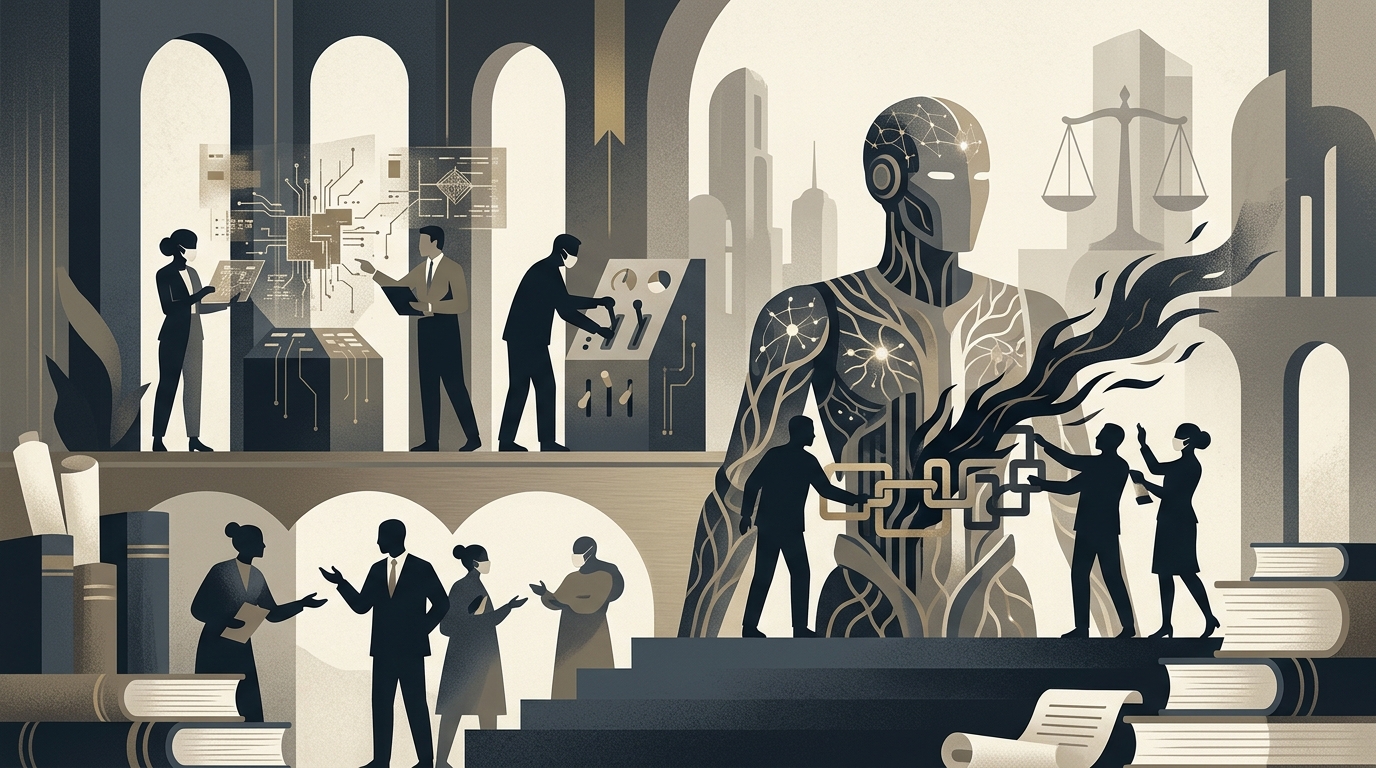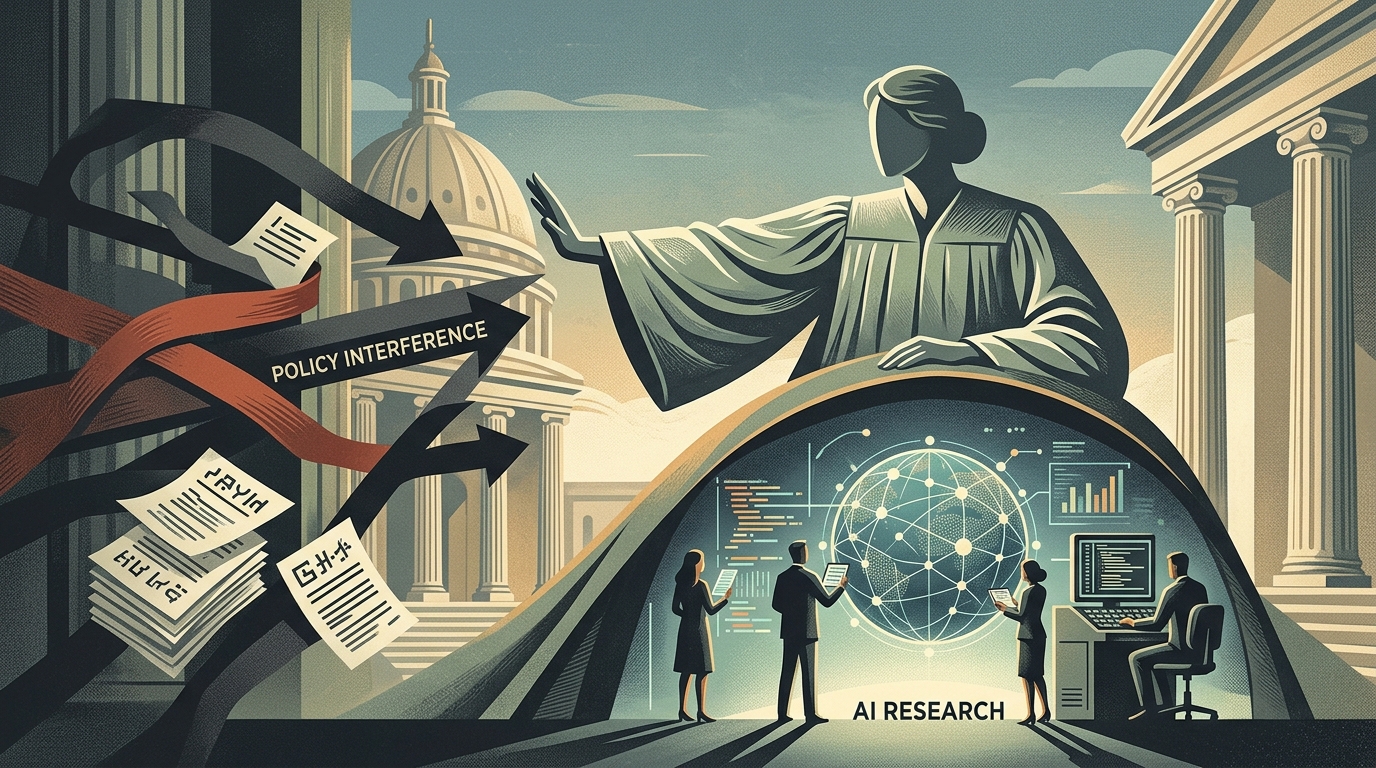
In the heart of 2026, the educational process in Vietnam no longer resembles a simple assessment of knowledge, but rather a digital battlefield. The country's Ministry of Public Safety has announced an unprecedented escalation of security measures for the upcoming high school graduation exams, as Artificial Intelligence (AI) has transformed traditional 'cheating' into a sophisticated espionage operation. This move highlights the existential threat that accessible, multimodal AI poses to the integrity of national examination systems worldwide.
The Evolution of Deception: From Cheat Sheets to Neural Buds
The days when students hid notes in their sleeves are long gone. Today, Vietnamese authorities are facing devices that seem straight out of science fiction movies. Tiny earpieces, nearly invisible to the human eye, and smart contact lenses capable of transmitting images of exam papers in real-time to remote AI servers, represent the new headache for proctors. With the advent of AI models that can solve complex mathematical problems or compose essays in seconds via voice commands, the pressure to ensure integrity is greater than ever.
The Ministry of Public Safety is no longer limited to simple checks. The 2026 strategy includes the use of next-generation radio frequency detectors and the installation of signal jamming systems tuned to neutralize the specific frequencies used by modern AI devices. However, the challenge remains: how can you stop a technology that is increasingly integrated into the human body or everyday objects?
The Ministry's Strategy: Prevention and Suppression
The intervention of the Ministry of Public Safety underscores the gravity of the situation. In Vietnam, the National High School Exam is the 'passport' to social mobility and entry into higher education. A failure can determine a young person's future for decades, creating an environment of extreme competition that pushes many toward the illegal use of technology.
- Intensive training of proctors to recognize 'suspicious' behaviors indicating AI use (e.g., unusual eye movements or whispering).
- Collaboration with tech companies to identify illegal sales of spy equipment online.
- Use of AI algorithms by the police themselves to analyze student answers in real-time to identify patterns suggesting machine-generated text.
This 'AI vs. AI battle' creates a paradox: to protect human evaluation, the very machines that threaten it are being deployed. Authorities warn that penalties for offenders will be exhaustive, ranging from permanent disqualification from universities to criminal prosecution for the networks supplying the equipment.
Social Implications and the Future of Education
Beyond the technical aspect, this crisis brings deeper social issues to the surface. Digital inequality is intensifying, as only wealthy students have access to expensive AI cheating equipment, creating a new form of injustice. Furthermore, turning exam centers into high-security zones with a police presence increases student anxiety, affecting their performance.
"We are not just hunting students who cheat; we are protecting meritocracy and the future of our country in an era where truth and knowledge are under attack by automation," said a high-ranking Ministry official.
Vietnam's case is a harbinger of what is to come in Europe or America. As AI becomes invisible and ubiquitous, the question is no longer whether we can stop cheating, but whether the model of pen-and-paper exams itself is now obsolete. Perhaps the solution lies not in suppression, but in redesigning assessment so that AI is not a tool for fraud, but a partner in learning. Until then, however, police forces will remain the unexpected guardians of educational ethics.