In a move that signals a new era for public education, the state of Utah has announced the comprehensive rollout of Artificial Intelligence (AI) tools across its entire school system. This is not merely a technological upgrade; it is a structural reimagining of the pedagogical process, aiming to transform the traditional classroom into a dynamic, personalized learning environment. Supported by the Utah State Board of Education (USBE), the initiative seeks to address two perennial challenges: teacher burnout and the need for instruction tailored to each student's unique pace.
The Teacher's Intelligent Co-Pilot
The cornerstone of this new policy is the adoption of platforms like MagicSchool AI and Khanmigo. For educators, AI functions as a tireless co-pilot. Preliminary data from pilot programs suggest that Utah teachers are now spending up to 10 fewer hours per week on administrative tasks, such as lesson planning, drafting Individualized Education Programs (IEPs), and creating assessments. This reclaimed time is being reinvested where it matters most: direct, meaningful interaction with students.
However, the challenge remains to maintain human judgment. The state has established strict protocols ensuring that while AI suggests, the teacher decides. This 'human-in-the-loop' philosophy is not just a technical detail but an ethical commitment that technology will never replace pedagogical empathy or the intuitive understanding of a child's emotional needs.
Personalized Learning and the Socratic Method
For students, the introduction of AI translates into a personal 'digital mentor' available 24/7. Unlike traditional search engines or basic chatbots, the tools selected by Utah utilize the Socratic method. Instead of providing direct answers, they guide students through questioning, helping them grasp the logic behind a mathematical problem or a historical analysis.
This approach aims to eliminate the temptation of academic dishonesty while fostering critical thinking. Students who struggle receive real-time support, while advanced learners can push their boundaries beyond the standard curriculum. Utah is betting that this democratization of personalized tutoring will bridge the achievement gap between different socioeconomic groups, providing high-quality educational support to every zip code.
Policy, Privacy, and the 'Utah Model'
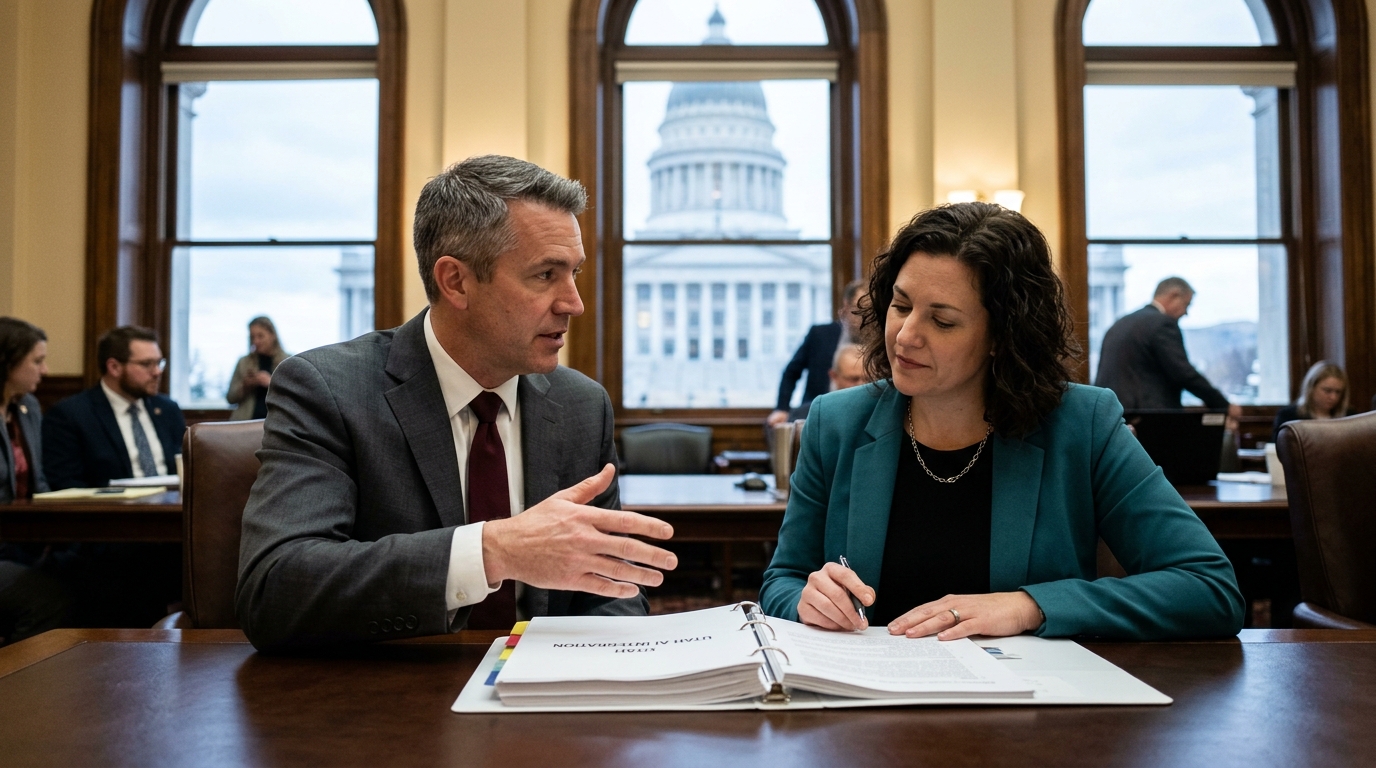
Implementing such a program at a statewide level is not without its critics. Concerns regarding the privacy of minors' data are at the forefront of public debate. The Utah government has responded by creating a 'digital fortress,' ensuring that student data is not used to train third-party models or sold for advertising purposes. The legislation accompanying the rollout is among the strictest in the United States, setting a precedent for how public entities should negotiate with Silicon Valley giants.
The 'Utah Model' is being closely watched by other states and international organizations. If successful, it will prove that AI can be an ally to public education rather than an alienating force. Ultimately, success will not be measured solely by test scores, but by whether the next generation learns to use these tools with ethical and critical awareness, preparing for a 2026 labor market that demands total digital fluency.