At the heart of an intense geopolitical and technological struggle, Meta finds itself under escalating pressure from the U.S. government to accept rigorous state oversight of its artificial intelligence models. This conflict, which borders on issues of national security and the freedom of innovation, centers on Mark Zuckerberg’s pivotal decision to release the Llama series as open-source software. For Washington, this transparency is viewed as a potential liability, allegedly allowing adversarial powers like China to access cutting-edge technology without the constraints imposed by American regulators.
National Security as a Lever of Control
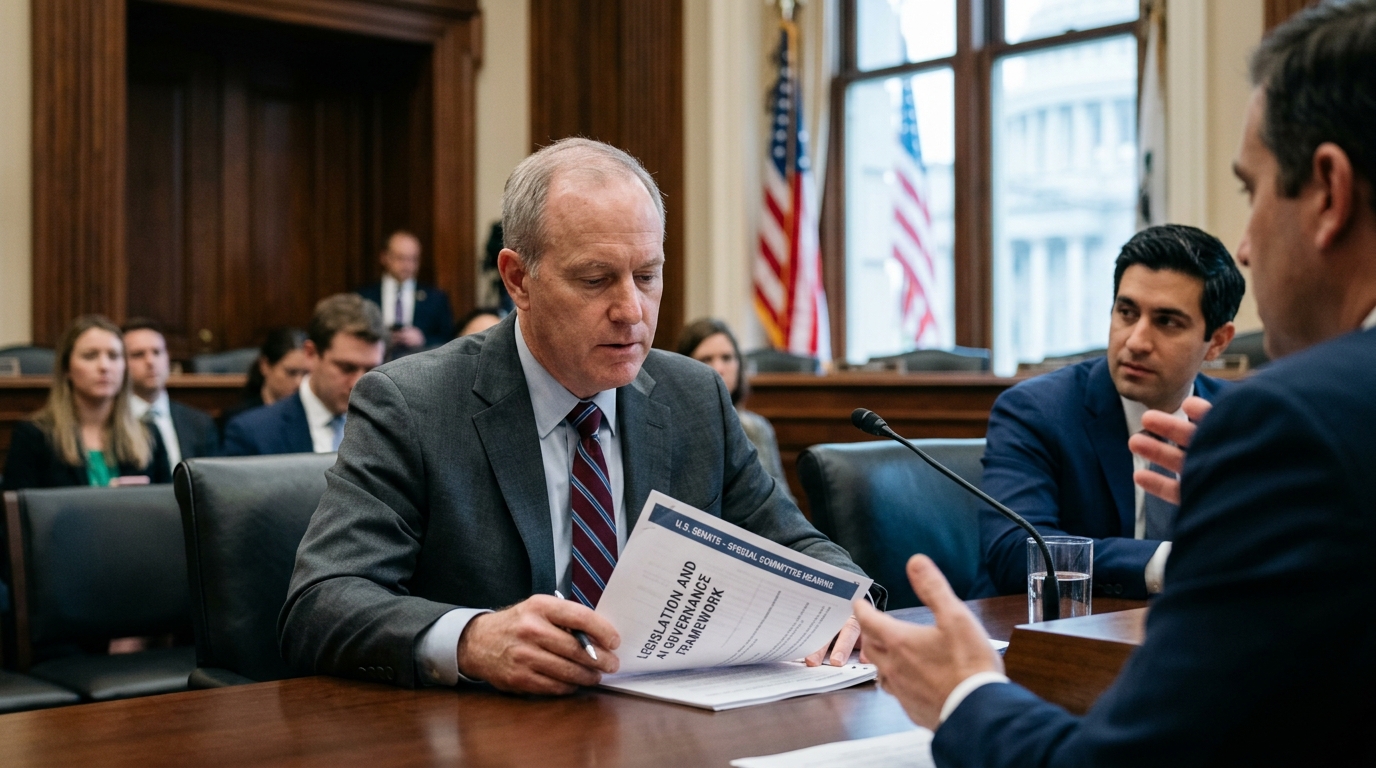
Recent Congressional hearings and backchannel discussions at the White House signal a clear trend: the era of unchecked AI development is drawing to a close. Security officials argue that open-weights models, such as the Llama 4 expected to dominate the market in 2026, could be weaponized to engineer biological agents or execute large-scale cyberattacks. The government’s demand is no longer just about compliance; it is about active supervision of model training before any public release occurs.
Meta, for its part, presents a compelling counter-argument: open AI is America’s best weapon in the global race. Zuckerberg maintains that if the world adopts American open standards, U.S. influence will be cemented, preventing a vacuum that closed Chinese models would otherwise fill. However, the push for a "government kill switch" or mandatory licensing before model weights are shared is gaining significant traction in the halls of power.
The Open Source Dilemma and the Global Market
Meta’s strategy has fundamentally reshaped the Silicon Valley landscape. While OpenAI and Google entrench themselves behind proprietary, closed systems, Meta has fostered an entire ecosystem of developers who rely on its infrastructure. This grants Meta immense soft power but also makes it a primary target for regulation. Regulators fear that Meta is inadvertently acting as a "Trojan Horse," allowing malicious actors to bypass the safety guardrails meticulously built into closed models.
- The government is demanding real-time access to training datasets.
- Proposals include an "AI National Security Council" with veto power over model releases.
- Meta warns of a potential "brain drain" to Europe or Asia if domestic restrictions become too stifling.
Analysts suggest this pressure is part of a broader "technological protectionism." The U.S. does not merely want to regulate AI domestically; it seeks to impose global standards that serve its strategic interests. Meta is now in the uncomfortable position of having to prove that code freedom does not equate to a betrayal of national interests.
The Road Ahead: Regulation or Suppression?
The question looming over Silicon Valley in the summer of 2026 is whether artificial intelligence will remain a tool for the democratization of knowledge or be transformed into a strictly controlled state prerogative. If Meta yields to demands for state oversight, it could signal the end of the "golden age" of open-source AI as we know it. Small businesses and independent researchers who depend on Llama would face bureaucratic hurdles that only tech giants have the resources to navigate.
"We cannot allow fear to dictate the architecture of the future," a senior Meta executive recently stated, highlighting the growing chasm between the tech community and political leadership.
In conclusion, the U.S.-Meta standoff is not just about one company; it is about who holds the "keys to intelligence" in the 21st century. The outcome of this battle will determine whether AI develops in an environment of transparency or behind the closed doors of government agencies, with profound implications for privacy, ethics, and global innovation.