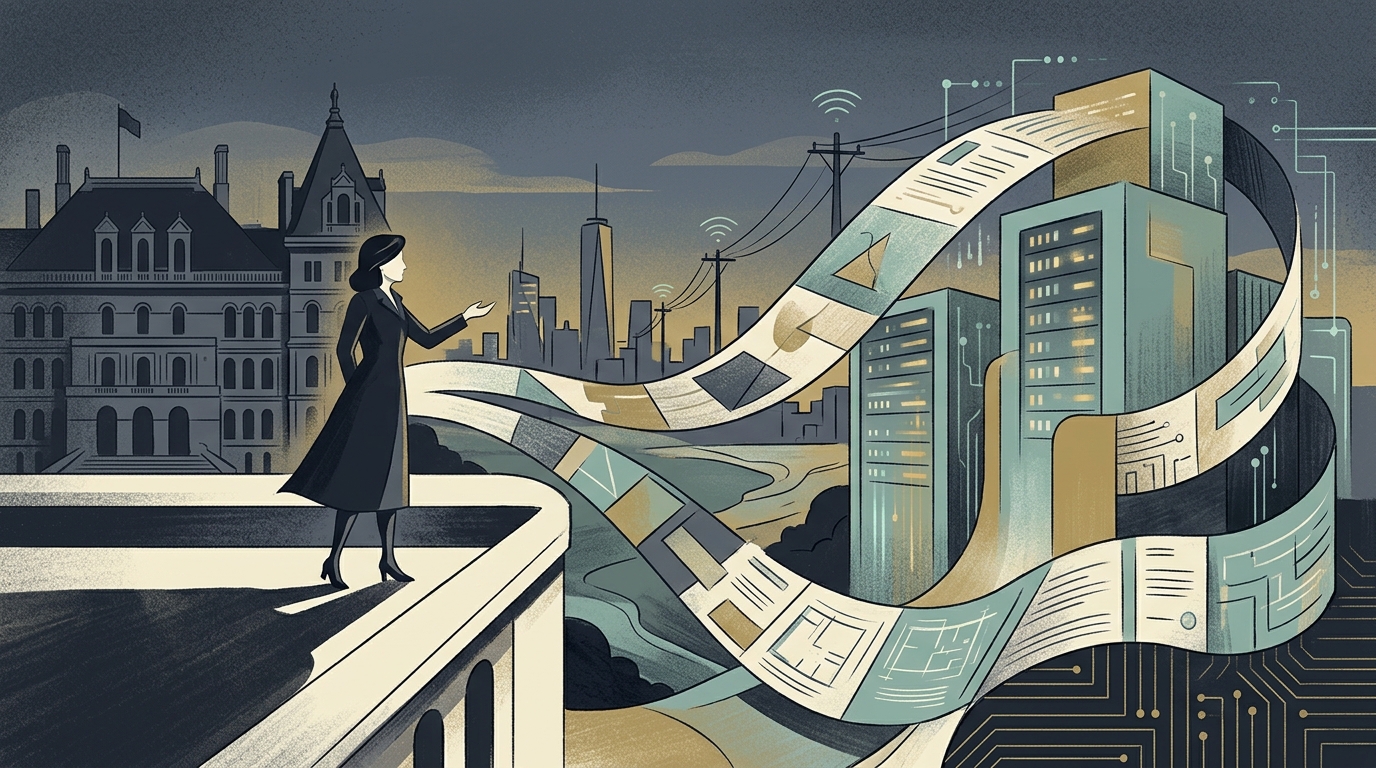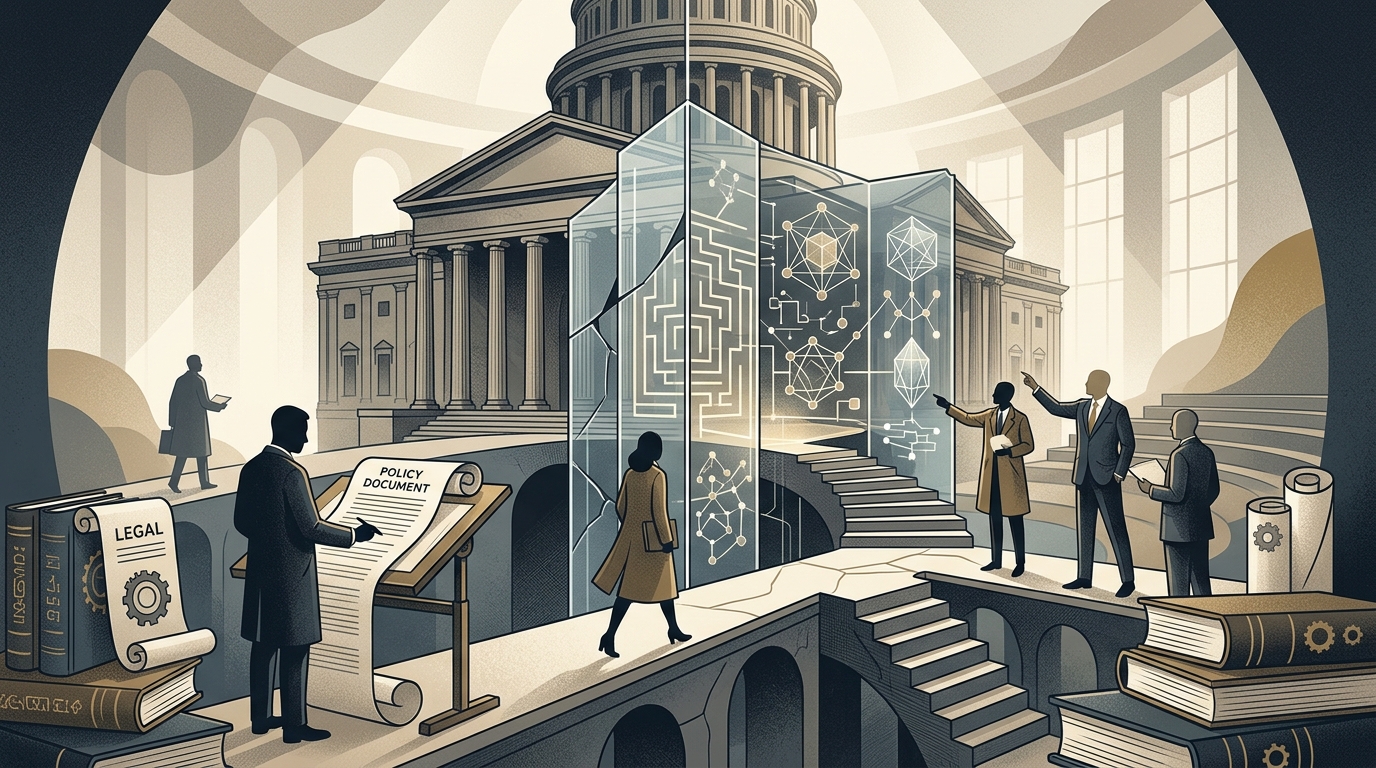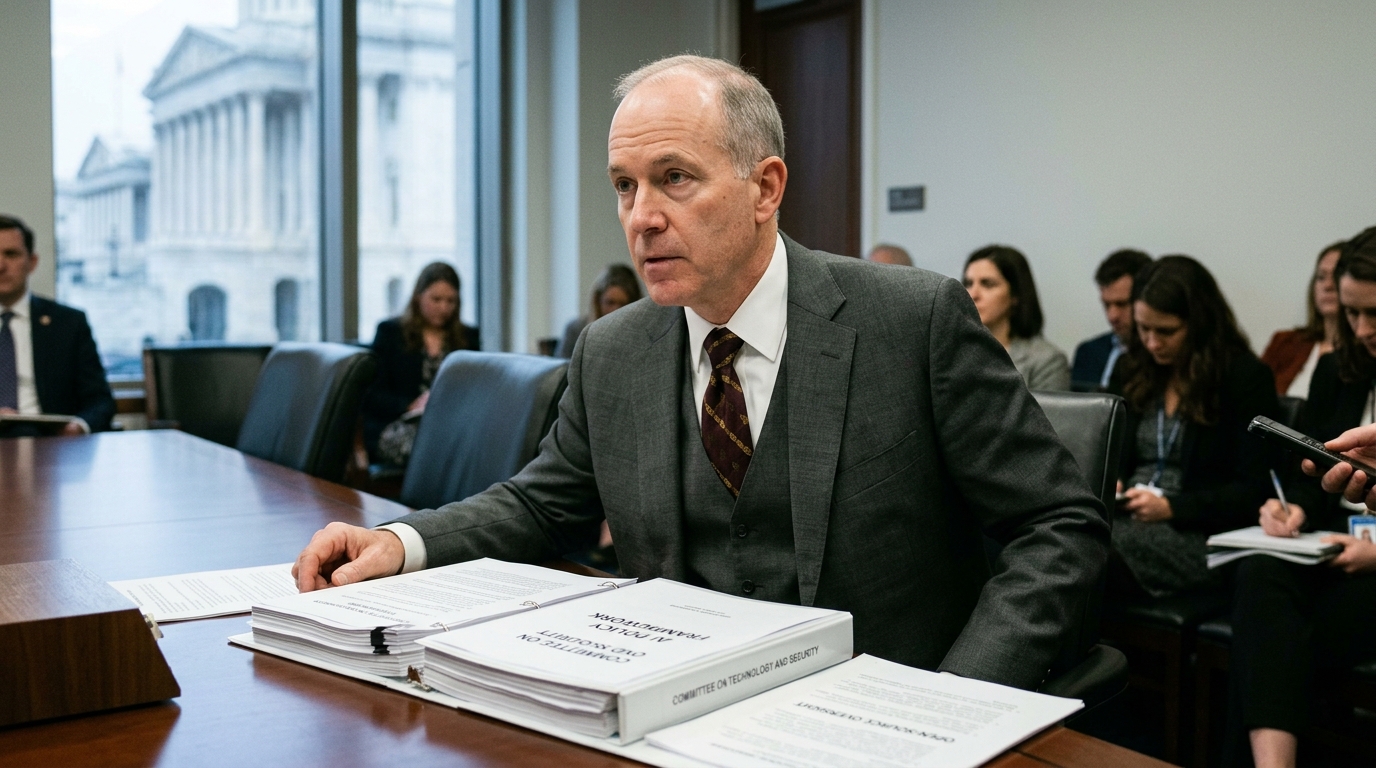
In a pivotal moment for global technology governance, the United States government is intensifying pressure on Meta Platforms, demanding that the tech giant submit its artificial intelligence models to rigorous government reviews before their public release. This move, recently detailed by The New York Times, signals a new phase in the White House's attempt to balance technological supremacy with national security concerns.
The Open-Source Gambit
Mark Zuckerberg has wagered billions on the development of the Llama family of models, championing an "open-source" strategy. According to Meta, releasing the code and model weights to the public allows developers worldwide to improve the technology, ensuring that American-made AI remains the global standard. However, this very accessibility is what causes trepidation in the halls of Washington.
Security officials are concerned that adversarial nations, such as China or Russia, as well as non-state actors, could leverage these powerful tools to develop cyberattacks, engineer biological weapons, or orchestrate massive disinformation campaigns. The government's stance is clear: once an open-source model is "released into the wild," there is no way to recall it or effectively restrict its use.
National Security and the Fear of Misuse
The pressure on Meta is not coincidental. It coincides with the implementation of President Biden’s Executive Order on AI, which requires companies to share the results of safety tests—known as "red-teaming"—with the state. However, the administration is now seeking something more than a mere briefing: a de facto pre-approval process.
- Cybersecurity: The potential for models to write malicious code with minimal guidance.
- Biological Risks: Concerns that AI could provide instructions for synthesizing dangerous pathogens.
- Geopolitical Competition: Preventing American technology from being used to bolster China's military capabilities.
For its part, Meta argues that these risks are overstated and that heavy-handed restrictions will stifle innovation, leaving the field open to "closed" models controlled by a handful of corporations or to competitive technologies developed abroad.
The Innovation Dilemma and the Future of Regulation
The issue touches the core of how technology functions within a democracy. If the government gains the right to "filter" technology before it reaches the public, it sets a precedent that some argue mirrors state-controlled models of governance. Conversely, total lack of oversight for a technology that could reshape society is seen by many as irresponsible.
"We cannot allow the 'closing' of American innovation in the name of vague security concerns, but neither can we ignore existential risks," says a senior industry executive who requested anonymity.
The outcome of this confrontation will determine whether Artificial Intelligence remains a public good or evolves into a strictly controlled military-industrial secret. Meta finds itself in a difficult position: comply with the state to avoid harsher legislative crackdowns, or defend the open-source model at the risk of a frontal collision with the White House.