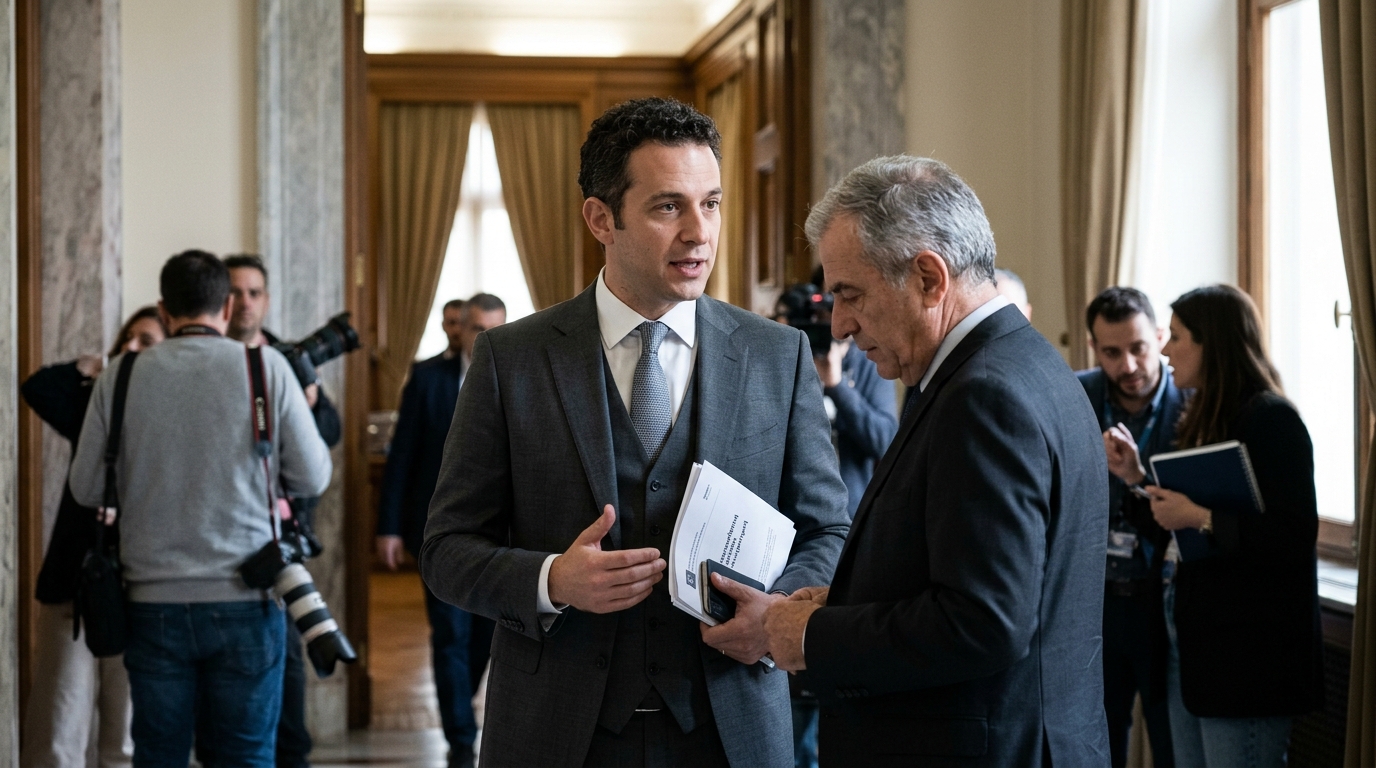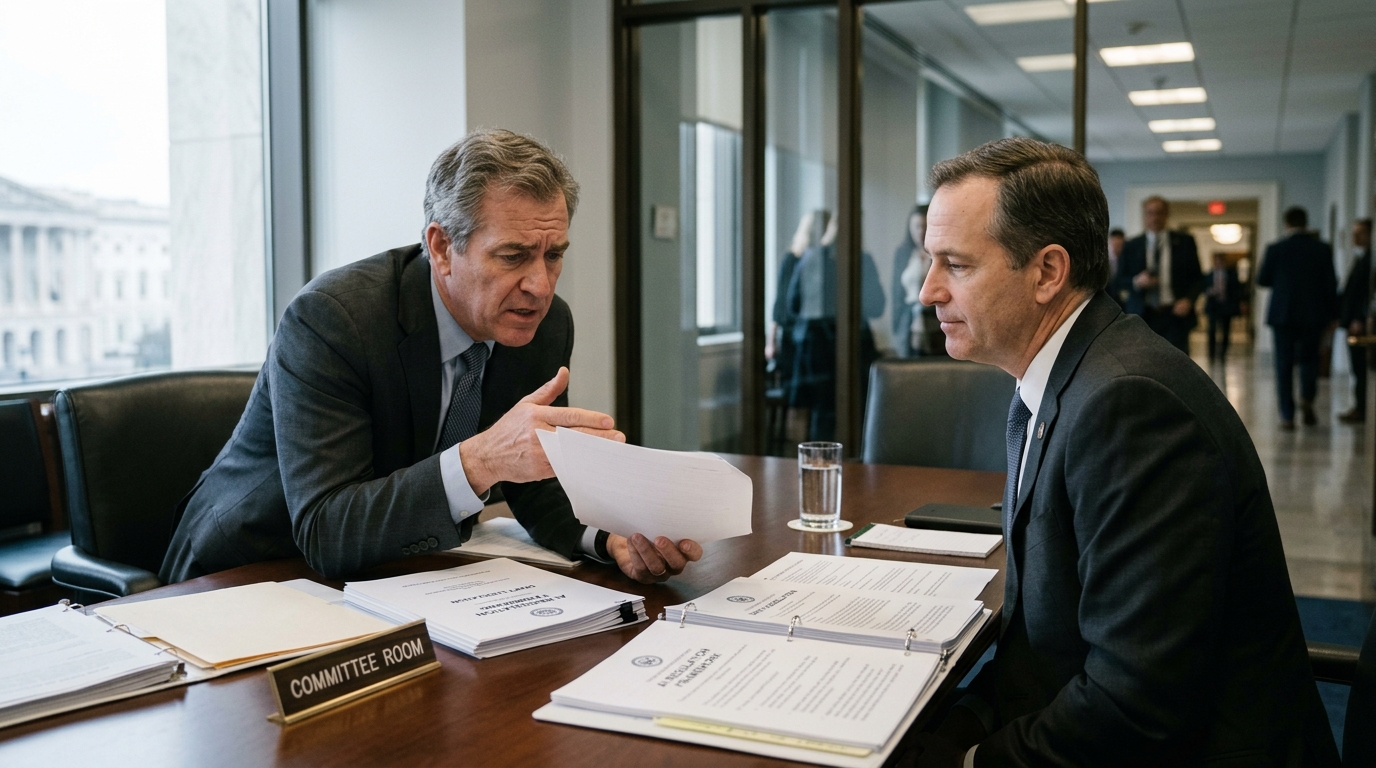
The battle for the soul of artificial intelligence regulation in the United States is reaching a fever pitch. US House lawmakers have unveiled a draft bill that seeks to establish a unified federal standard for AI, effectively preempting states from implementing their own divergent rules. While framed as a measure to prevent a chaotic 'patchwork' of regulations, the move is set to ignite a fierce debate over state sovereignty, corporate accountability, and the pace of technological innovation.
The Doctrine of Federal Preemption
At the heart of the proposed legislation lies the principle of federal preemption. This legal mechanism allows federal law to override state statutes when they conflict or when the federal government intends to occupy a specific field of regulation. Proponents argue that AI is inherently interstate and global in nature. A machine learning model trained in a California data center might process data from a user in Florida to provide a service to a company in New York. Navigating 50 different sets of compliance requirements, they argue, is not just a logistical nightmare but an existential threat to American competitiveness.
Tech industry advocates have long lobbied for such a move. They contend that a fragmented regulatory landscape would favor large incumbents who can afford massive legal departments, while crushing startups and mid-sized firms under the weight of compliance costs. By establishing a single 'referee' at the federal level, lawmakers hope to provide the certainty needed for long-term investment and to maintain the US's lead over global rivals like China.
States as Laboratories of Democracy vs. Federal Uniformity
The draft bill arrives as several states have already taken the lead in AI governance. California’s SB 1047, perhaps the most high-profile example, focuses on 'frontier' models, requiring developers to implement safety protocols and 'kill switches' to prevent catastrophic outcomes. Colorado and Utah have also passed significant AI-related legislation focusing on consumer protection and algorithmic bias.
Critics of the federal preemption approach argue that it represents a 'race to the bottom.' They fear that a federal bill, influenced by heavy industry lobbying in Washington, will set much lower standards than those being pioneered by states. Historically, states have served as 'laboratories of democracy,' testing innovative policies that eventually inform national standards. By stripping states of their power to regulate AI, opponents argue that the federal government is removing a vital layer of protection for citizens against the potential harms of unregulated algorithms.
The Geopolitical and Economic Stakes
The timing of this bill is no coincidence. With the European Union's AI Act now in force, there is a palpable sense of urgency in Washington to define the 'American way' of AI regulation. Lawmakers are wary of the 'Brussels Effect,' where European regulations become the global standard by default because companies prefer to follow the strictest set of rules to ensure global access.
"If we don't lead on setting the rules of the road for AI, others will—and they won't share our values of freedom and innovation," noted one of the bill's co-sponsors during the initial briefing.
The economic implications are equally vast. AI is projected to add trillions to the global GDP over the next decade. Ensuring that the US remains the primary hub for this growth requires a regulatory environment that is both predictable and flexible. However, the challenge lies in ensuring that this 'flexibility' does not come at the cost of public safety or civil rights. The draft bill will undergo rigorous scrutiny, with debates likely centering on how much power the Federal Trade Commission (FTC) or a newly created AI office should have to enforce these national standards.
As the bill moves through committees, the tension between the need for speed and the necessity of caution will be the defining theme. Whether the US can achieve a bipartisan consensus that satisfies both the innovators of Silicon Valley and the protectors of public interest remains to be seen, but the stakes could not be higher.