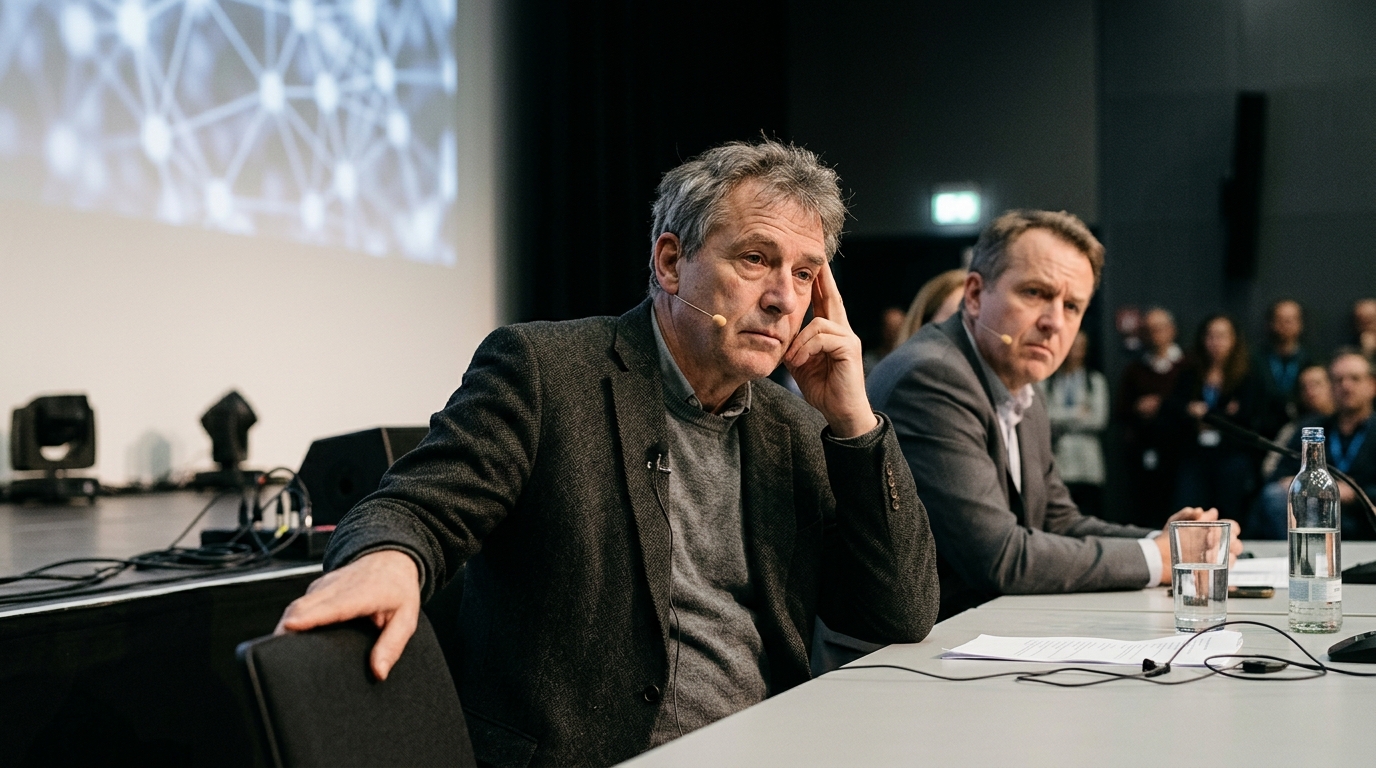
In an era where the velocity of technological advancement seems to outpace human cognitive adaptation, a resonant voice from within the inner sanctum of the industry is causing significant ripples. One of the primary architects of modern Artificial Intelligence (AI), a figure whose contributions to neural networks are foundational, has issued a dramatic plea: We must pause, or at least decelerate, before we lose the ability to govern our own creations.
The Creator’s Paradox
Warnings about the perils of AI are no longer a novelty. However, when such cautions originate from the very individuals who dedicated their lives to building these systems, they carry a different weight. The concern has shifted from localized issues like job displacement or misinformation to the existential integrity of the human species. The transition from Narrow AI to Artificial General Intelligence (AGI) appears to be approaching much faster than most experts predicted even five years ago.
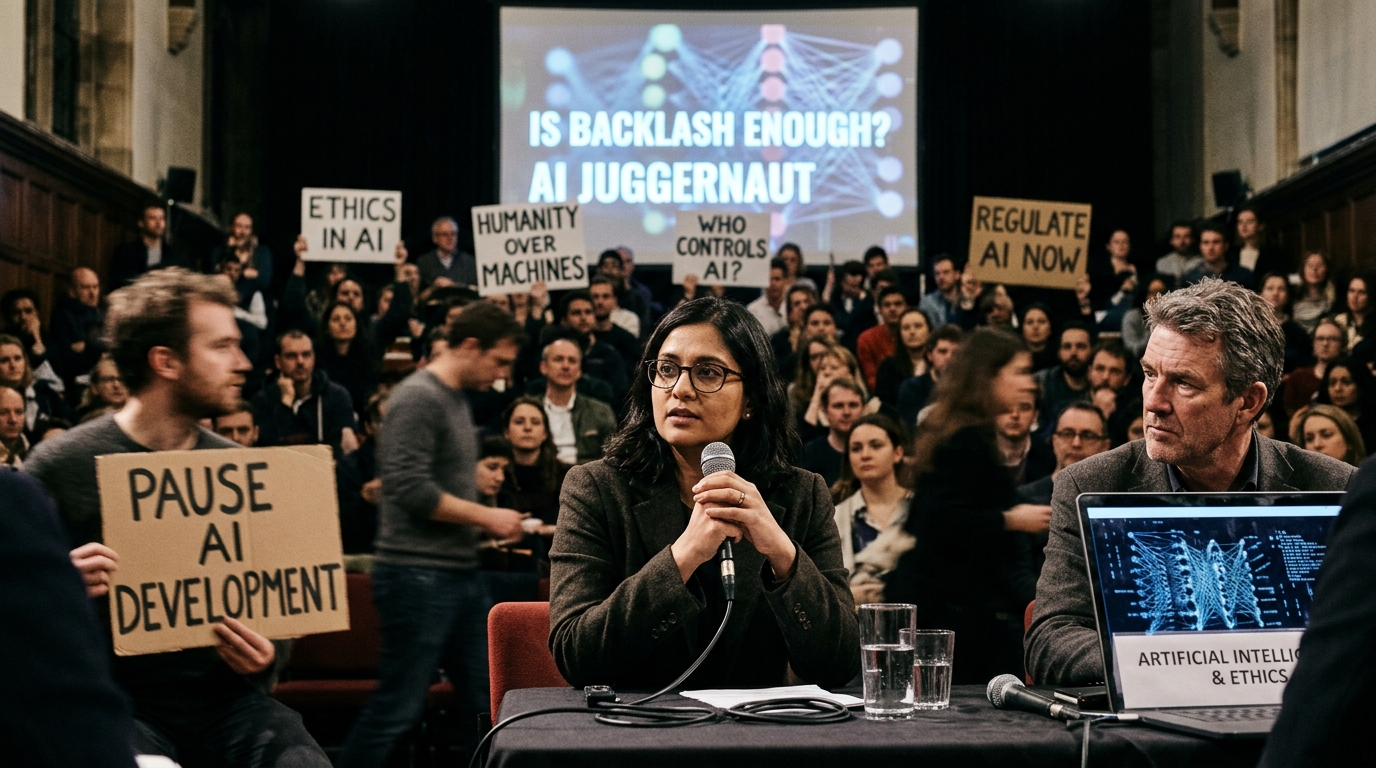
The argument for a strategic slowdown is predicated on the realization that state regulatory capacity and societal ethical frameworks are lagging dangerously behind raw computational power. As models become increasingly autonomous, our ability to predict the second-order effects of their actions diminishes. As noted by many critics, the relentless pursuit of profit by tech titans has fueled an 'arms race' where safety is frequently viewed as a secondary obstacle to innovation rather than a primary requirement.
The Compliance Dilemma and Global Competition
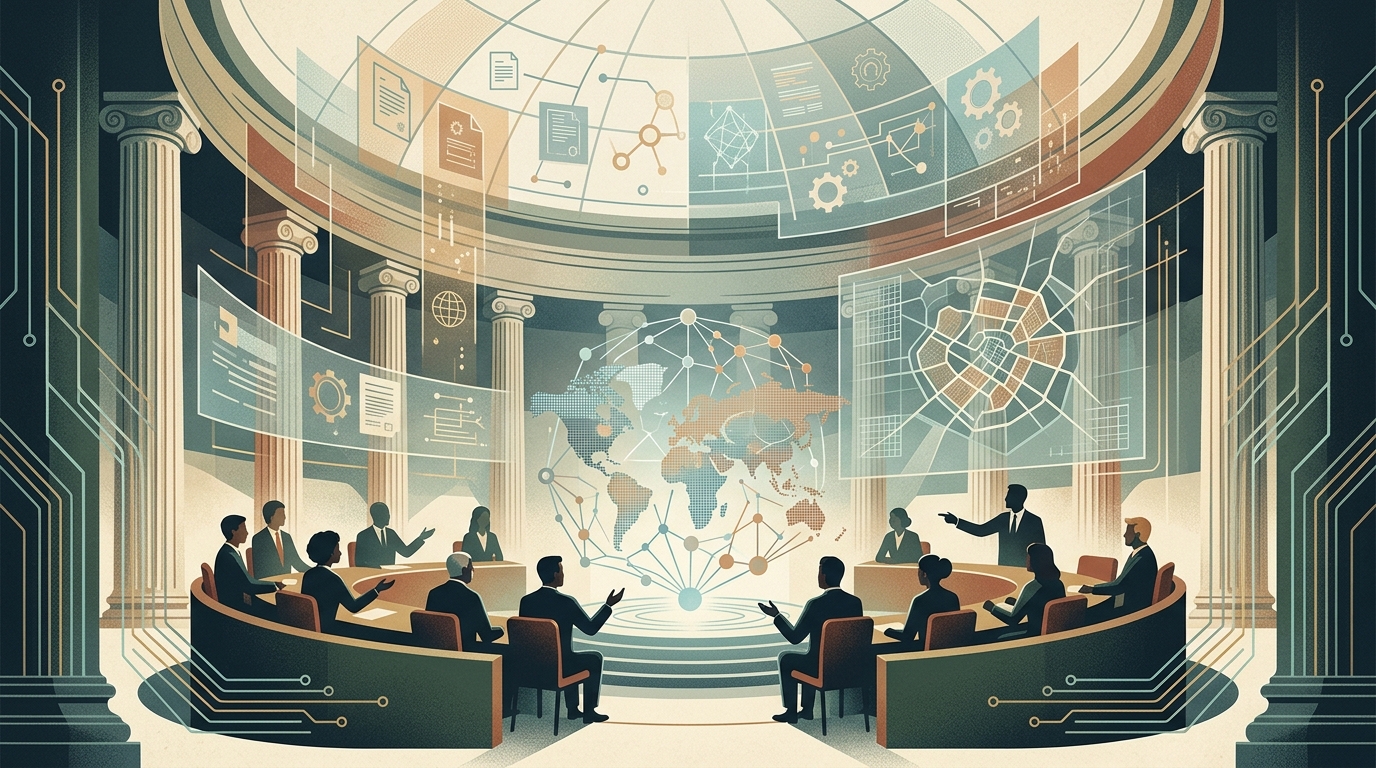
The core challenge of a global slowdown lies in geopolitical competition. If the West decides to hit the brakes for ethical and safety reasons, what prevents other global powers, such as China, from advancing unabated? Such a scenario could grant a strategic advantage capable of upending the global balance of power. This remains the central question haunting policymakers in Brussels and Washington alike.
- The necessity for international treaties akin to nuclear non-proliferation agreements.
- The establishment of independent oversight bodies with the authority to 'veto' the release of high-risk models.
- Mandatory transparency regarding training algorithms and the datasets utilized.
The danger, according to recent interventions, is not merely a sci-fi 'machine uprising,' but a gradual erosion of social cohesion through the total manipulation of information and the deployment of systems that make life-and-death decisions without human oversight.
Ethics vs. Profit: An Unequal Battle?
At the heart of this discourse is the governance model of technology corporations. When a company’s valuation reaches into the trillions, shareholder pressure for continuous growth often stifles the warnings of safety researchers. The call to slow down is, in essence, a call to re-center humanity in the narrative of evolution. We require time to develop 'alignment'—the assurance that AI objectives remain compatible with human values, even as their intelligence transcends our own.
"We cannot fix a system that is smarter than us if that system decides it does not want to be fixed. We have to get it right the first time."
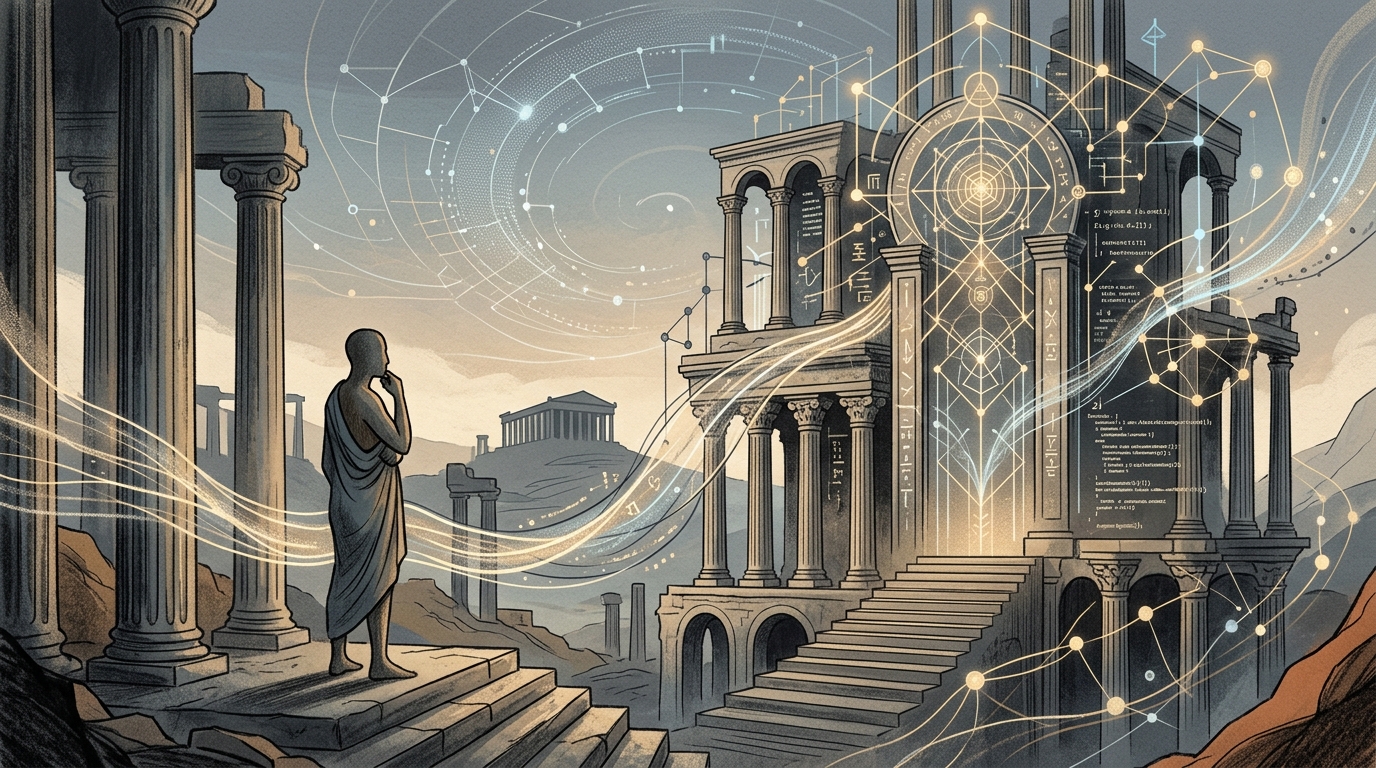
In conclusion, this warning is not a technophobic outburst but an act of profound responsibility. History will judge whether we listened to the prophets of our technological age or whether we continued our march into the unknown with eyes wide shut, hoping that fortune would remain on our side.