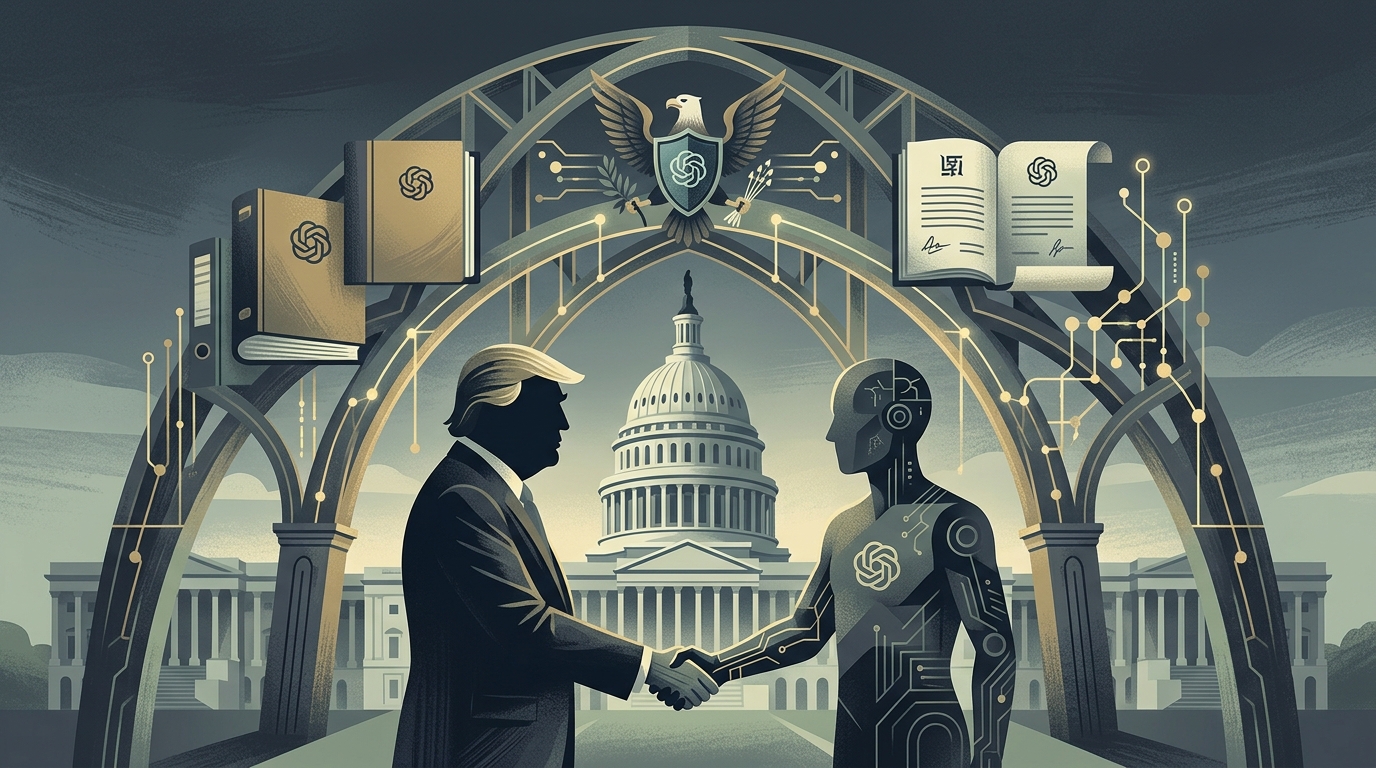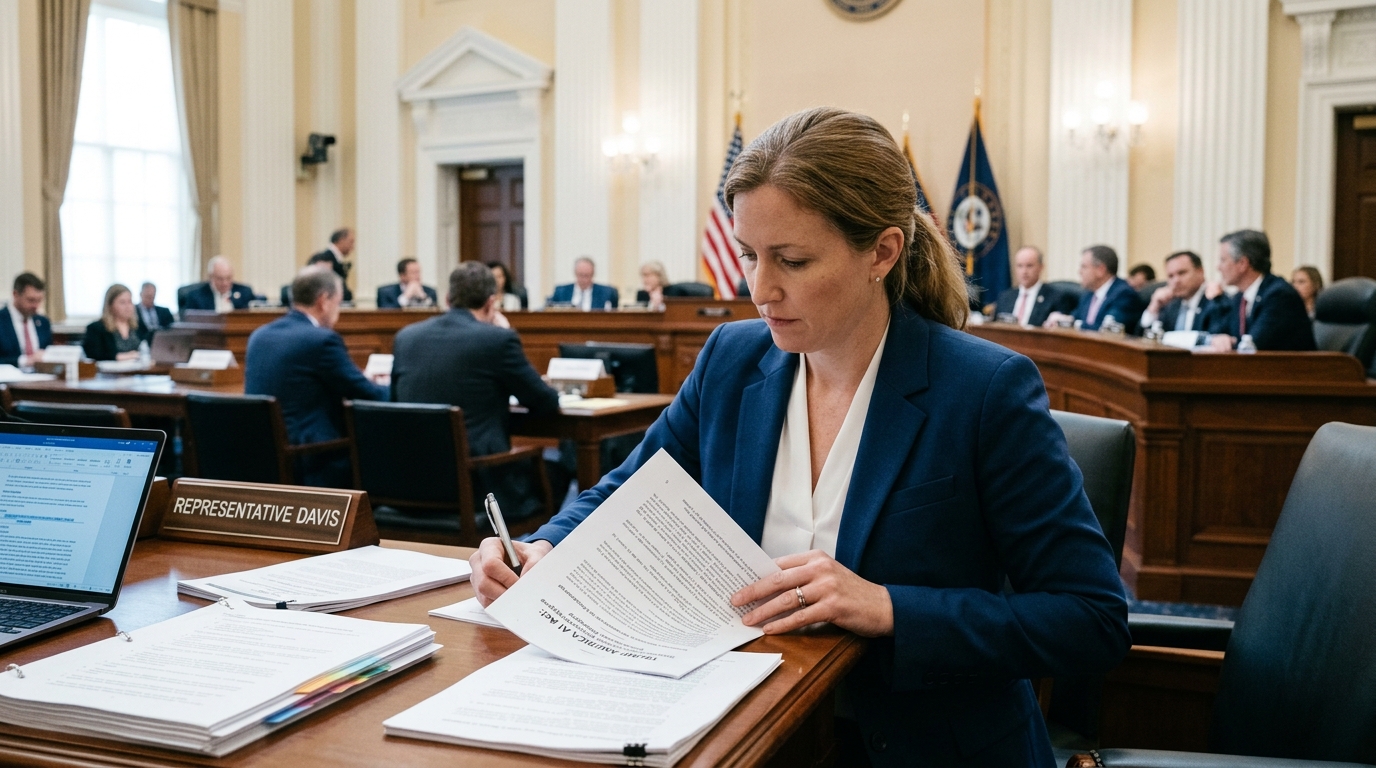
In a move that signals a total realignment of American technological policy, the administration is pushing forward the "TRUMP AMERICA AI Act." This legislative initiative is not merely about regulating Artificial Intelligence (AI) but weaponizing it as the ultimate instrument of national power and security. In stark contrast to previous approaches that focused on ethical dilemmas and the prevention of "bias," the new framework prioritizes technical robustness, infrastructure protection, and, above all, ensuring American primacy over Beijing.
The Philosophy of "Safety Through Strength"
The TRUMP AMERICA AI Act introduces a radically different philosophy. The core idea is that AI safety is not achieved through restrictions that stifle innovation, but through the controlled development of models fortified against external attacks and foreign espionage. The bill mandates the creation of national standards for "frontier models," requiring companies to demonstrate that their systems cannot be exploited to destabilize national security or steal intellectual property.
According to analysts in Washington, this legislation is the response to growing concerns that AI could become a "Trojan Horse" for large-scale cyberattacks. The bill imposes strict controls on the export of computing power and requires cloud providers to report any activity by foreign entities that exceeds specific computational usage thresholds.
The Geopolitical Dimension and the China Rivalry
It is no secret that the TRUMP AMERICA AI Act is designed with China in its crosshairs. The legislation includes provisions that favor domestic semiconductor production and the development of "closed" AI systems to be used exclusively by the U.S. military and intelligence agencies. The message is clear: Artificial Intelligence is the new nuclear weaponry, and America does not intend to come in second.
- Implementation of controls on AI models exceeding 10^26 floating-point operations (FLOPs).
- Creation of a "National AI Testing Center" for real-time risk assessment.
- Incentives for companies that move their supply chains within the U.S.
- Tightening of frameworks for open-source AI in critical sectors.
"Artificial Intelligence is not a game for academics. It is the backbone of our future economy and national defense. Whoever controls AI, controls the century," states the bill's introductory report.
Silicon Valley Reactions and Free Speech
The reaction from the tech sector is divided. On one hand, "accelerationists" applaud the move away from "social justice" regulations, which they viewed as a hindrance. On the other hand, there is significant concern regarding state intervention in technology development. The bill includes clauses prohibiting AI from enforcing "ideological censorship," a move directly aimed at right-wing criticisms of algorithmic bias against conservative viewpoints.
Critics, however, warn that the focus on national security could lead to a new era of state surveillance. The requirement for companies to share data about their model training with the government raises serious questions about privacy and intellectual property. Furthermore, tightening the rules for open-source AI could harm global collaboration and limit access for smaller players in the field.
Conclusion: A New Era of Digital Nationalism
The TRUMP AMERICA AI Act is not just a law; it is a statement of intent. It marks the end of the utopian period of "global and free AI" and the beginning of an era of digital nationalism. As the U.S. fortifies itself behind new safety standards, the rest of the world—and particularly the European Union—must decide whether to follow its own path or be forced to adapt to the standards set by Washington. The battle for the soul and control of artificial intelligence has just entered its most critical phase.