In a move that signals a fundamental shift in American artificial intelligence policy, the Trump administration has reached an agreement with Anthropic, allowing the limited release of the highly anticipated "Mythos" model. This decision, which comes after a prolonged period of uncertainty and intense pressure from Silicon Valley, sets a precedent for how "frontier models" will be managed within the framework of US national security. Mythos, widely considered the first system to demonstrate true PhD-level reasoning across multiple domains, will not be available to the general public, but only to a carefully selected list of strategic partners.
The Strategy of "Managed Supremacy"
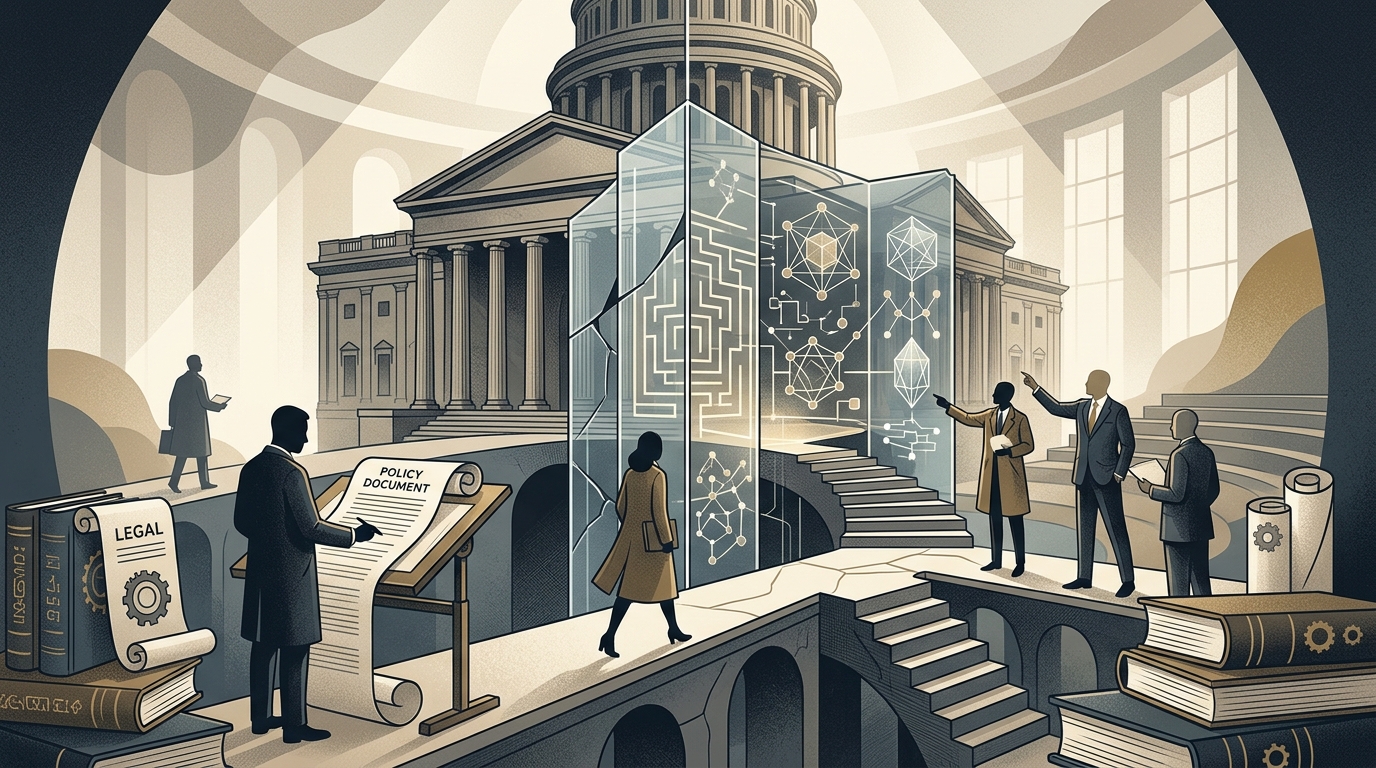
The deal is described by White House officials as an effort to balance the need for technological dominance against the risks posed by the uncontrolled proliferation of powerful algorithms. According to sources familiar with the deliberations, the administration had expressed serious concerns about Mythos's capabilities in cybersecurity and biological engineering. The preferred solution is the creation of a "closed ecosystem," where access will only be granted to organizations that have passed rigorous security vetting by the Department of Commerce and the newly formed Office of National AI Strategy.
This "America First" approach to AI suggests that the era of global, open access to top-tier AI models is coming to an end. Anthropic, which has traditionally defined itself as a safety-oriented company, appears to have accepted the terms to avoid a total ban on release that would leave it behind in the race with OpenAI and Google. The selected organizations include major defense contractors, leading research universities, and specific critical infrastructure companies.
Technical Capabilities and the Shadow of Competition
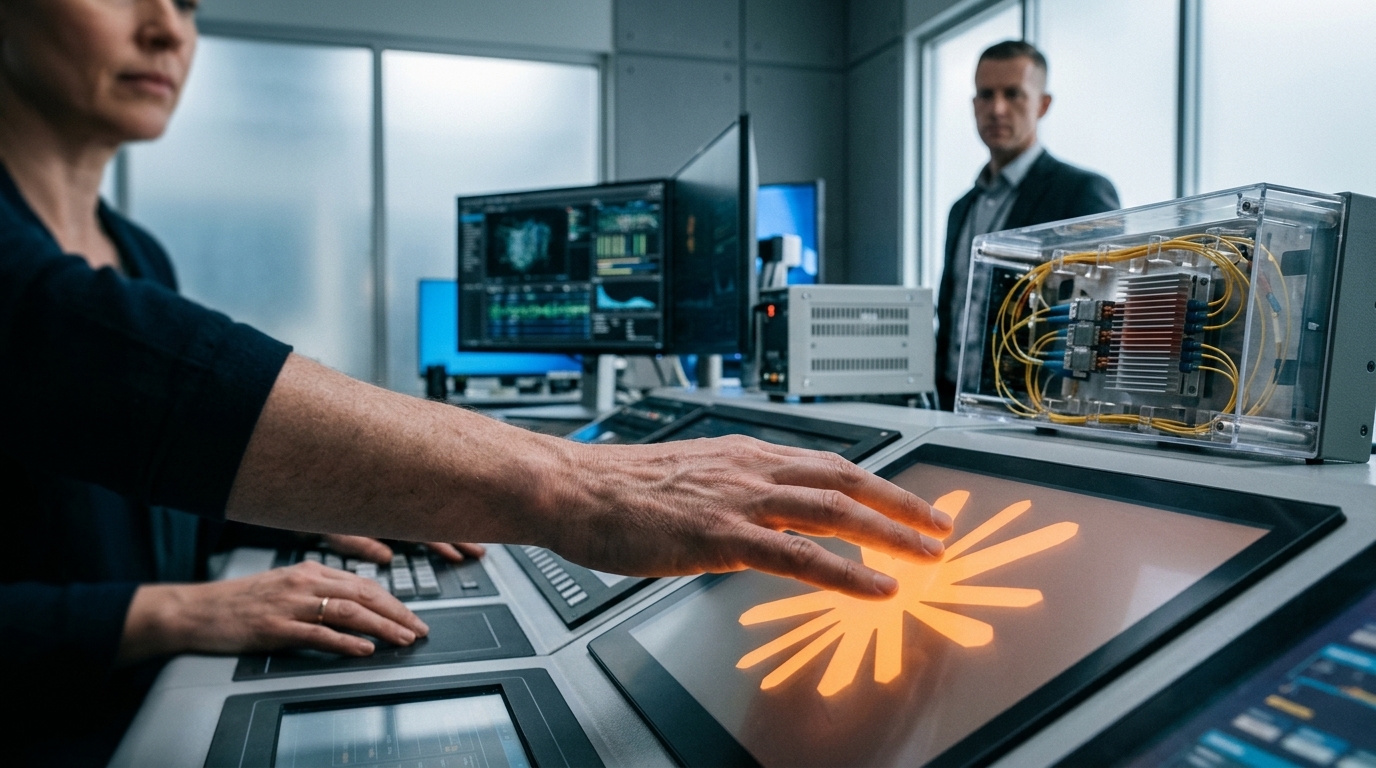
Mythos is not just an improved version of Claude. Reports from beta testing indicate that the model features a new architecture that allows it to perform complex coding design and execution tasks with minimal human intervention. Its ability to "think" before responding—a process known as chain-of-thought reasoning—has been optimized to such an extent that it can solve quantum physics problems that previously required weeks of human labor. It is precisely this power that triggered state intervention.
Market Implications and Anthropic's Future
For Anthropic, the deal is a double-edged sword. On one hand, it secures the backing of the world's most powerful government and gains access to massive government contracts. On the other, the company risks losing its identity as an independent player in the AI market. Its valuation in secondary markets soared, as the "government seal of approval" is seen as a guarantee of success in the defense and corporate sectors.
The question remains whether competitors like OpenAI will be forced to follow the same "licensed release" model. If this happens, we will face a new global technological order where AI models are treated as munitions rather than software. The decision on Mythos may be the first act in a drama that will define the course of humanity for decades to come, transforming AI from a tool of liberation into a weapon of geopolitical power.
"We are entering an era where the most powerful thoughts on the planet are classified by the state," says a leading AI ethics researcher.
The geopolitical context cannot be ignored. The competition with China is the central pillar of the administration's argument. "We cannot allow our most powerful technologies to leak to adversaries who will use them against us," said a senior technology advisor to the President. However, critics argue that this policy creates a "digital oligopoly," where only the government's chosen few will have the tools to innovate, leaving small businesses and independent researchers on the sidelines. This move may spark a new form of "brain drain," as scientists seeking open academic research may seek refuge in jurisdictions with less stifling control.