Spain stands at a pivotal crossroads in its journey toward digital maturity. According to a recent analysis by the Real Instituto Elcano, one of Europe's leading think tanks, the nation faces more than just a technological hurdle; it faces an existential need to redefine its position on the global Artificial Intelligence (AI) map. Madrid has invested significant political capital into promoting a "human-centric" approach, yet the gap between regulatory ambition and economic reality remains dauntingly wide.
Linguistic Sovereignty and the ALIA Project
One of the most compelling aspects of the Spanish strategy is its focus on language. The ALIA project (Alliance for Artificial Intelligence in Spanish) is Madrid's direct response to the dominance of English-language Large Language Models (LLMs). With over 500 million speakers worldwide, the Spanish language is a strategic asset of immense value. Elcano highlights that if Spain fails to develop its own foundational models, it risks a form of "digital colonization," where the cultural and linguistic nuances of the Spanish-speaking world are filtered through algorithms designed in Silicon Valley.
This effort is not merely cultural; it is profoundly economic. Building a robust AI ecosystem in Spanish will allow local businesses to develop tools that better respond to the needs of the domestic market and Latin America. However, funding remains a primary concern. While the state has committed resources from the EU Recovery Funds, private sector participation has lagged behind expectations, leaving the initiative vulnerable to shifting political winds and budgetary constraints.
Regulatory Leadership and the AESIA Agency
Spain holds a global first: it is the first country to establish a specialized national agency for AI supervision, AESIA (Agencia Española de Supervisión de la Inteligencia Artificial), headquartered in A Coruña. This move places Spain at the vanguard of implementing the European AI Act. Elcano's analysis suggests that this "regulatory diplomacy" could serve as a competitive advantage, attracting companies that seek a secure, stable, and predictable legal environment in which to scale their operations.
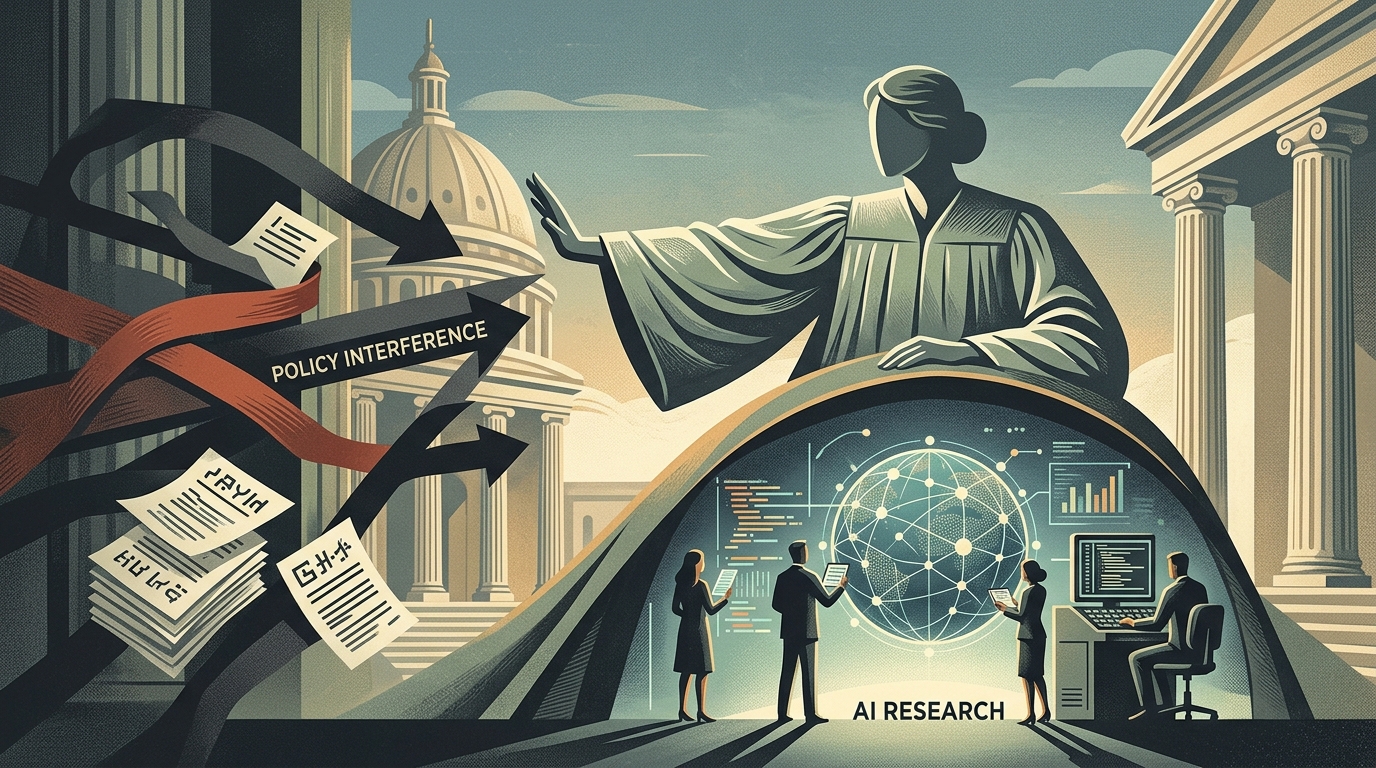
However, the risk remains that over-regulation could stifle innovation before it takes root. Spanish small and medium-sized enterprises (SMEs), which form the backbone of the national economy, have expressed concerns regarding the bureaucratic burden of compliance. The challenge for the government is to transform AESIA from a mere "tech policeman" into a catalyst that guides businesses through the complexities of safe AI adoption without slowing down their growth.
The Productivity Challenge and the Digital Divide
Despite significant progress in infrastructure—with the Barcelona Supercomputing Center and the MareNostrum 5 standing as jewels of European technology—Spain lags in integrating AI into its core productive processes. Tourism and agriculture, the twin pillars of the Spanish economy, have immense potential for optimization through AI, but adoption remains fragmented and uneven. The Real Instituto Elcano warns that without a massive investment in the digital skills of the workforce, AI could exacerbate social inequalities rather than bridge them.
"Artificial Intelligence is not just a productivity tool, but an instrument of geopolitical power. Spain must choose whether to be a player or a mere spectator in this new era," the report notes emphatically.
In conclusion, the Spanish challenge is a microcosm of the broader European struggle. The balance between ethics, regulation, and innovation is delicate. Spain's success will ultimately depend on its ability to translate its strategic analyses into concrete actions, ensuring that "digital autonomy" does not remain a hollow slogan but becomes an economic reality that benefits all its citizens. The window of opportunity is narrowing as global competition intensifies.