Climate change is no longer a distant threat to European agriculture; it is a daily reality demanding immediate and innovative solutions. In the heart of Belgium, within the Scheldt Basin, water management has become a matter of survival for local crops. Recognizing the urgency, Google has announced a strategic partnership with social enterprise Agua Segura and agtech platform Agryo to integrate Artificial Intelligence into the region's farming practices. This initiative isn't just about saving a few harvests; it's a blueprint for how high technology can balance food security with environmental preservation.
Data-Driven Drops: The Mechanism of Efficiency
The Scheldt Basin is a vital river network flowing through France, Belgium, and the Netherlands, supporting millions of acres of arable land. However, increasing drought frequency and water pollution have placed the ecosystem under immense strain. The solution proposed through this partnership hinges on large-scale data analysis. By employing AI models, farmers gain access to insights that were previously impossible to process in real-time.
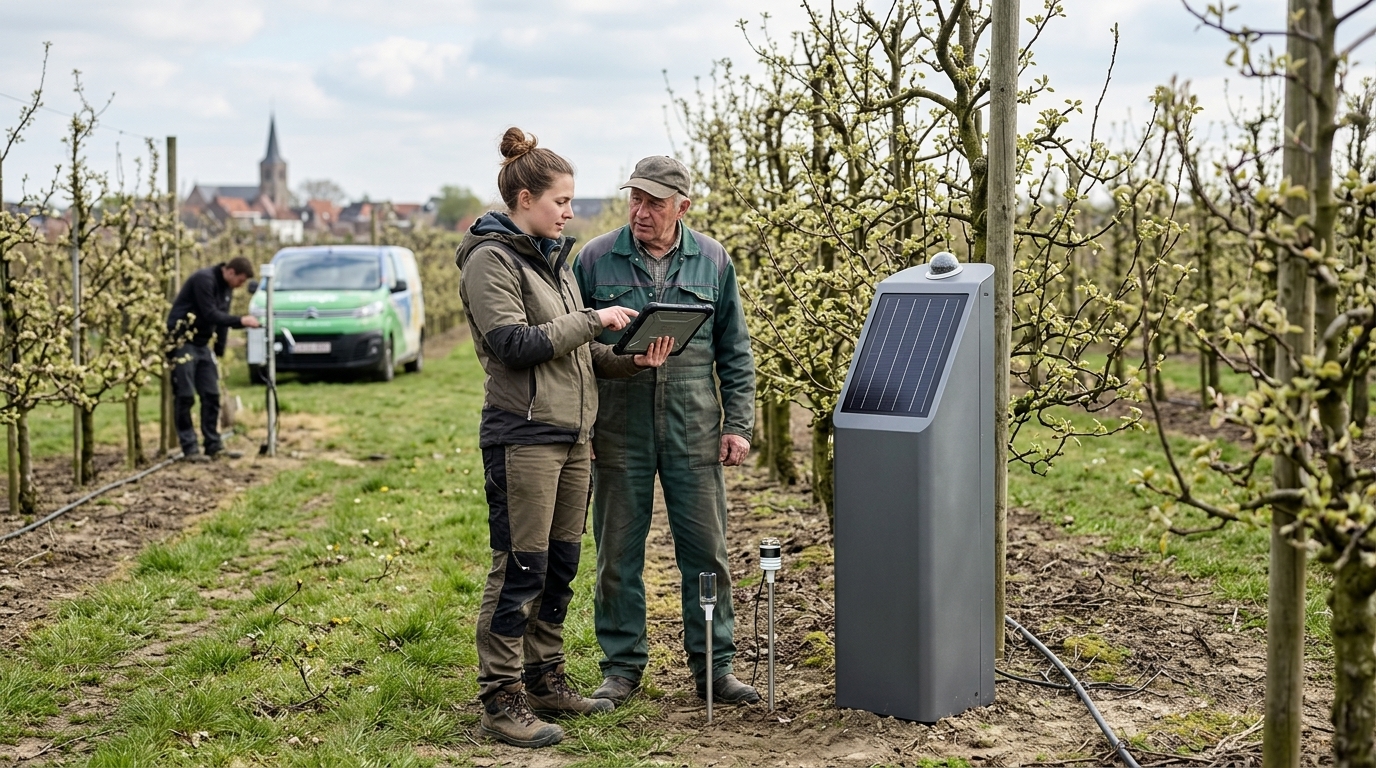
Agryo’s platform utilizes satellite imagery, soil sensors, and meteorological data to create a 'digital twin' of the fields. The AI analyzes soil moisture and plant requirements, indicating the exact amount of water needed and, crucially, the optimal time for irrigation. This 'precision agriculture' approach reduces water waste by up to 30%, ensuring plants do not suffer from hydric stress, which in turn improves both the quality and quantity of the yield.
Transitioning from Tradition to Digital Farming
Moving from traditional methods to digital ones is rarely seamless. Belgian farmers, often rooted in generational practices, can be skeptical of technological intervention. This is where Agua Segura plays a pivotal role, acting as a bridge between technology and the local community. Through educational programs and direct field support, farmers learn to trust algorithmic recommendations.
- Training in digital monitoring tool usage.
- Cost-benefit analysis of reduced energy and water consumption.
- Establishing knowledge-sharing networks among participating producers.
Google is funding this effort as part of its 'water stewardship' commitments, aiming to replenish more water than it consumes in its operations by 2030. Yet, the project's significance transcends corporate goals. It represents a paradigm shift: the farmer is no longer just a cultivator but a data manager tasked with making evidence-based decisions.
The Scheldt Basin: A Case Study in Resilience
Why Belgium? The region is one of the most densely populated and industrialized areas in Europe. Competition for water between agriculture, industry, and urban use is fierce. Optimizing water usage in the agricultural sector frees up resources for other needs and strengthens the region's resilience against extreme weather events. Furthermore, reducing runoff from fields means fewer fertilizers and pesticides enter the river systems, improving the overall water quality of the Scheldt network.
"AI doesn't replace the farmer's hand, but it gives them the eyes they need to see what is happening beneath the soil surface," notes an Agryo representative.
The European Union, through the Green Deal, is pushing for more sustainable practices. Initiatives like Google’s serve as pilots for future policies. If the Scheldt model proves successful, it could be exported to other river basins facing similar challenges, from the Po in Italy to the Evros in Greece.
Beyond Charity: The Role of Big Tech in Sustainability
Despite the promise, questions remain. Dependence on Big Tech for managing vital resources raises concerns about data sovereignty. Who owns the soil data? How do we ensure small-scale farmers aren't left behind due to the long-term costs of technology? Google and its partners maintain that the platform is designed for accessibility, but the history of technology suggests that the digital divide tends to widen without state intervention.
In conclusion, the use of AI in the Scheldt Basin is a bold step forward. By merging ecological consciousness with computational power, Belgium is becoming the testing ground for a new era in agriculture. An era where every drop of water counts and every decision is backed by billions of calculations, aiming for a harmonious coexistence between humanity, technology, and nature.