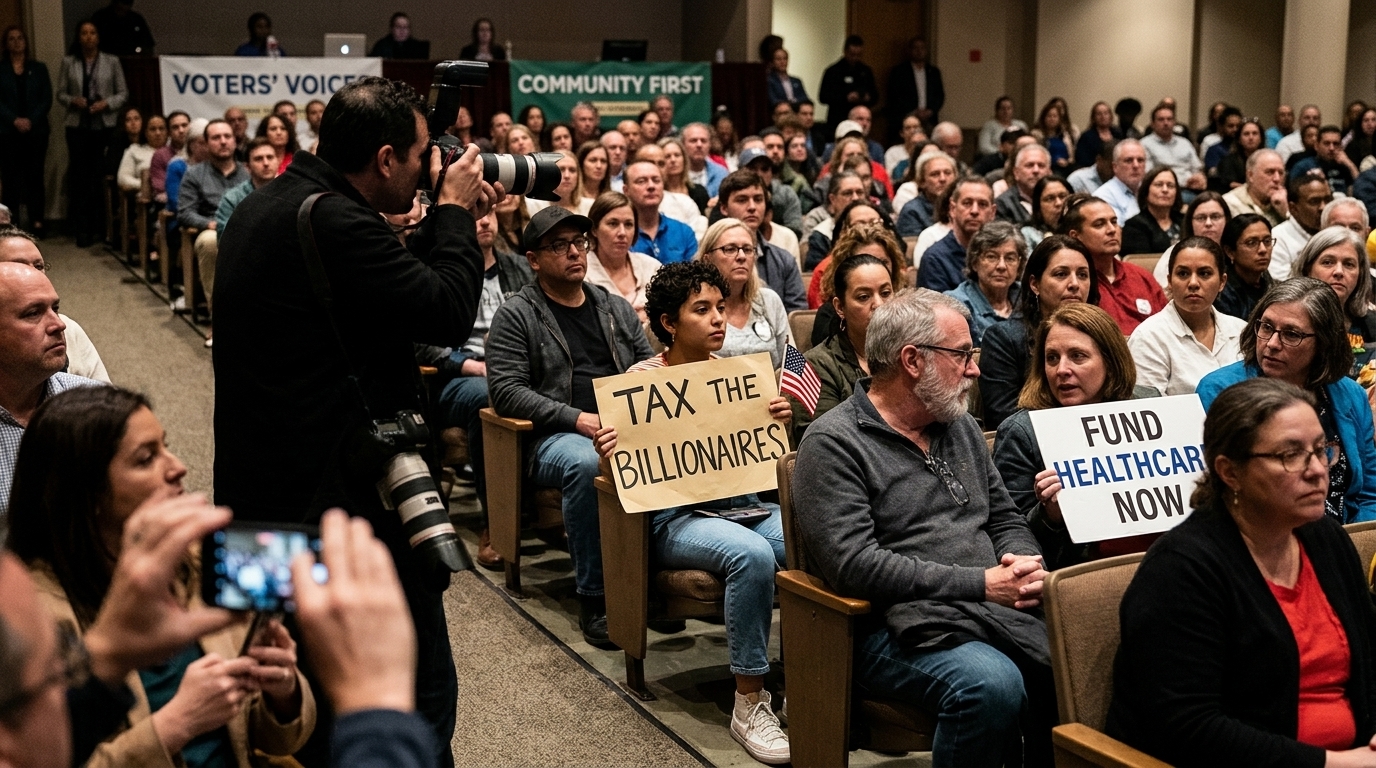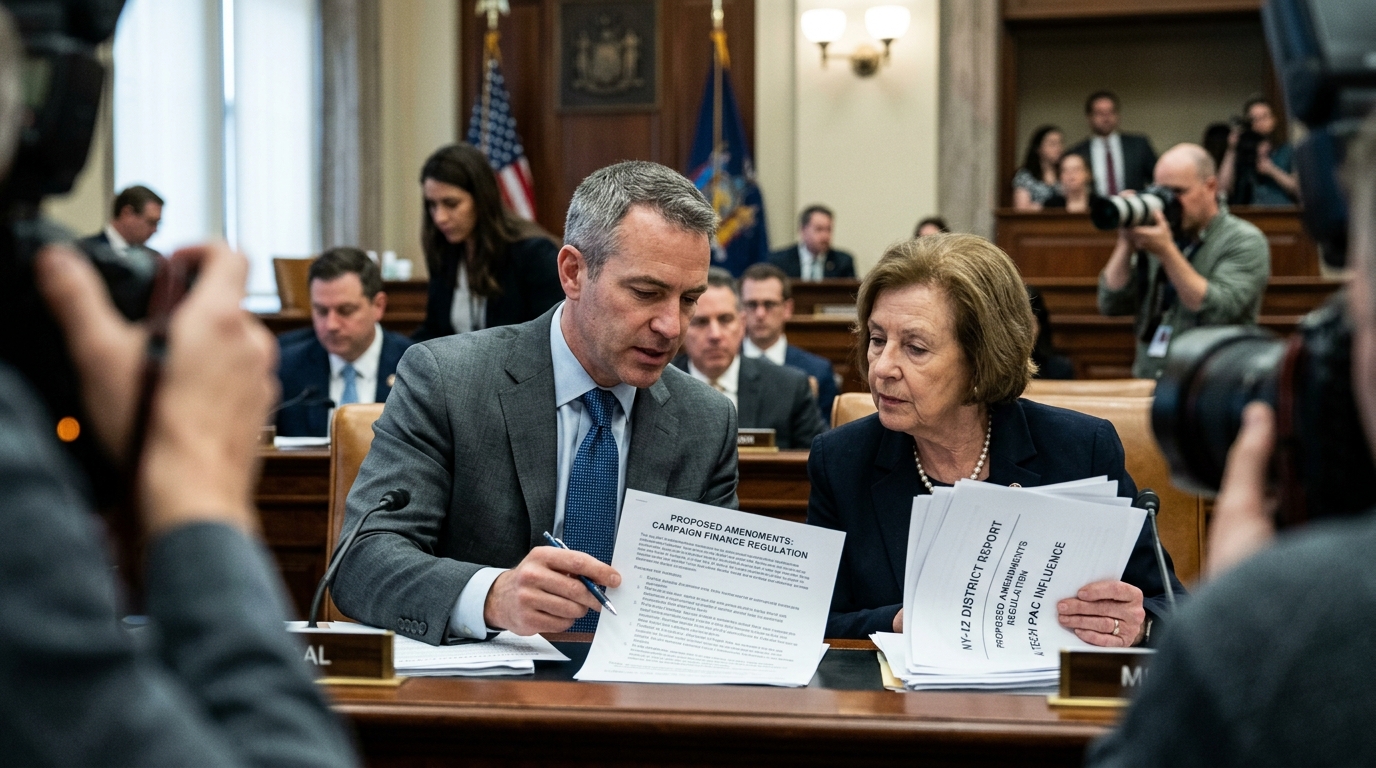
In the heart of Manhattan, where New York’s traditional political dynasties meet the immense wealth of Wall Street, a new and unpredictable force is beginning to reshape the electoral landscape. New York’s 12th Congressional District (NY-12), home to the Upper East and Upper West Sides, has become the staging ground for a fierce confrontation between the traditional political machine and a new generation of candidates backed by the tech industry. A recent report by *The American Prospect* detailing the boost given to a “tech industry defector” by a new Super PAC highlights a broader national trend: the shifting of political gravity from legacy donors to the barons of Artificial Intelligence and Silicon Valley.
The Super PAC Surge and the Strategy of Disruption
While the influence of money in politics is a tale as old as the Republic, the scale and precision of tech-backed spending in 2026 are unprecedented. Super PACs—political action committees capable of raising unlimited sums—have become the preferred vehicle for the tech elite to exert leverage. In NY-12, the backing of a candidate who hails from the industry’s inner circles—a “defector” promising to bring algorithmic efficiency to the legislative process—represents a direct challenge to established leadership, most notably figures like Jerry Nadler.
These funds are not being deployed at random. Facing a barrage of proposed regulations concerning AI safety, data privacy, and antitrust enforcement, the tech industry is actively seeking “friendly voices” within the halls of Congress. The candidate supported by this new Super PAC is marketed as a system insider who can translate the complexities of innovation into policy, bypassing the perceived stagnation of career politicians. However, critics argue that this “disruption” is merely a sophisticated attempt to purchase political immunity at a time when the industry faces its greatest scrutiny.
From Silicon Valley to the Capitol: Profile of a Defector
The term “tech industry defector” often describes individuals who, after serving in executive roles at tech giants or high-growth startups, pivot to the public sector. In the NY-12 race, such a candidate leverages their pedigree to argue that the current political system is “analog in a digital world.” Their rhetoric focuses on government modernization, the expansion of the digital economy, and the necessity of maintaining American technological hegemony against global rivals like China.
The new Super PAC, reportedly funded by a consortium of venture capitalists and AI executives, has already launched an aggressive digital ad campaign. Their strategy relies on high-resolution micro-targeting, reaching Manhattan demographics most likely to respond to messages of technological progress and economic dynamism. The clash is as much cultural as it is political: it is the “old guard” of the Democratic Party versus the “techno-optimism” of the West Coast. The district’s affluent, highly educated voters are the ultimate prize in this tug-of-war between tradition and transformation.
Democratic Integrity and the Future of AI Regulation
The intervention of Super PACs in local races with national implications raises profound questions about the integrity of the democratic process. When a candidate’s viability is so closely tied to the capital of a specific industry, their ability to legislate objectively is naturally called into question. In NY-12, the stakes are nothing less than the future of U.S. policy toward tech conglomerates. Will the coming years bring a framework of strict accountability, or will a “laissez-faire” approach prevail, allowing AI firms to effectively write their own rules?
Proponents of the tech-aligned candidate argue that technical literacy in Congress is a prerequisite for effective governance in the 21st century. Conversely, consumer advocacy groups and party stalwarts warn of “regulatory capture,” where the regulators become subservient to the interests they are tasked with overseeing. The battle in NY-12 is merely the opening salvo in a long-term conflict that will define the political character of the United States in the age of Artificial Intelligence.
- Super PAC funding allows underdog candidates to bypass traditional party gatekeepers and reach voters directly.
- The NY-12 district serves as a high-stakes laboratory for testing techno-centric political messaging.
- Transparency remains a primary concern, as much of the funding originates from “dark money” sources with hidden agendas.
In conclusion, the rise of a tech industry defector in NY-12 is not just a local news item; it is a bellwether for the future of American democracy. As the election approaches, the fundamental question remains: Who defines the agenda for the future? Will it be the citizenry, or the algorithms and the massive capital that fuels them?